CM Samrat Choudhary Backs Bihar School Live Classes Push
Synopsis
Bihar Chief Minister Samrat Choudhary on 16 July 2026 publicly endorsed the state's digital education push, sharing images linked to the #BiharSchoolLiveClasses initiative and signalling continued government focus on smart classrooms and equitable school access across Bihar.
Key Takeaways
Bihar CM Samrat Choudhary publicly endorsed the #BiharSchoolLiveClasses initiative on 16 July 2026 via a post on X.
The post featured 4 images and hashtags including #SmartClassroom , #DigitalEducation , and #EducationForAll .
The initiative aligns with the National Education Policy 2020 , which mandates technology integration in government schools.
School students and teachers in Bihar's government schools are the primary stakeholders of the digital classroom rollout.
Bihar has accelerated digital education programmes since the COVID-19 pandemic to reduce urban-rural learning gaps.
Upcoming focus areas include budget allocations and teacher training for digital tools in government schools.
Bihar Chief Minister Samrat Choudhary on Thursday, 16 July 2026, publicly endorsed the state's digital education drive, sharing images tied to the #BiharSchoolLiveClasses initiative on X and highlighting the push for smart classrooms and broader access to education across the state.
Context
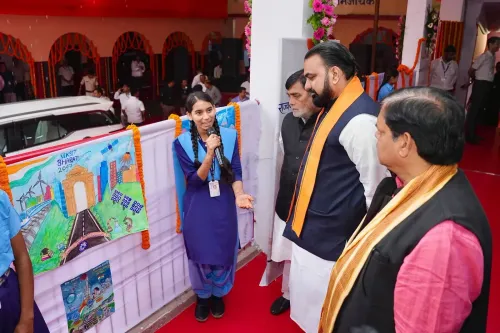
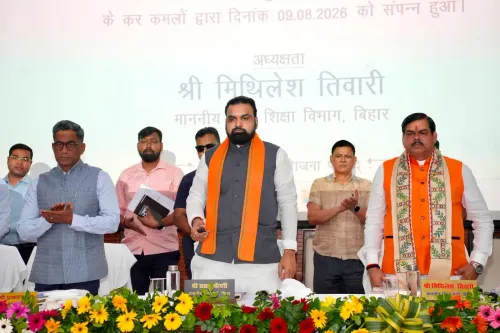
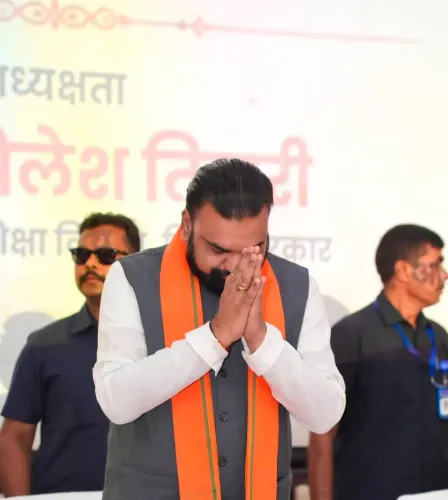
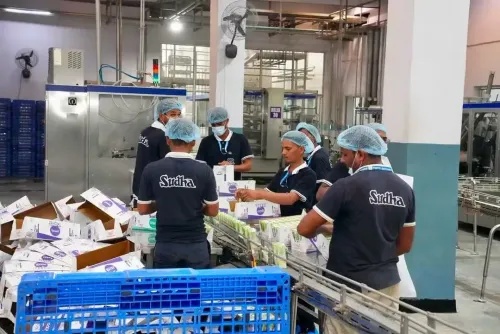
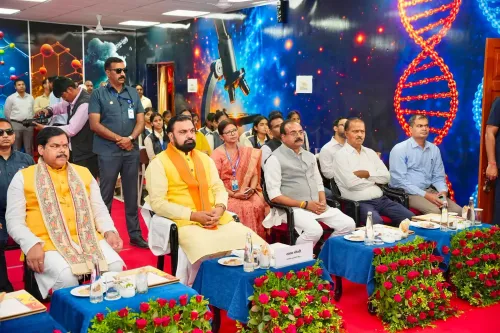
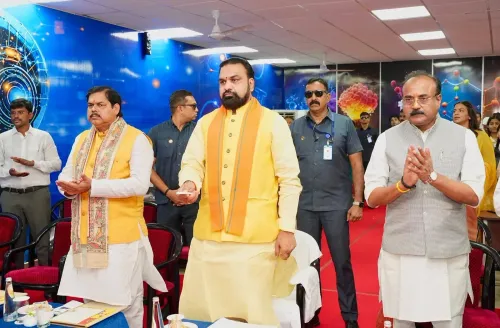
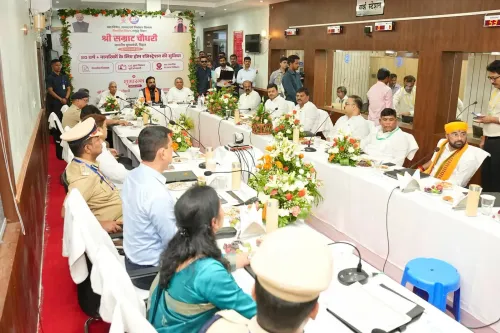
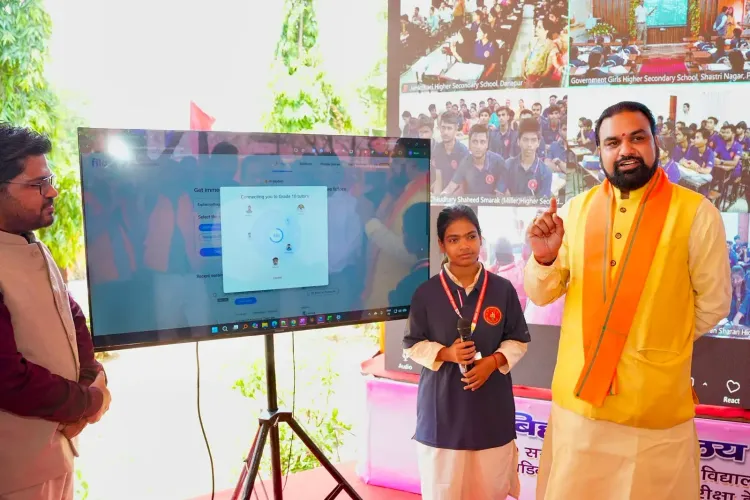
The post, carrying hashtags #BiharSchoolLiveClasses, #DigitalEducation, #SmartClassroom, and #EducationForAll, signals the Chief Minister's active backing of technology-led schooling in Bihar. The four images shared alongside the post appear to document classrooms or students engaged with digital learning tools, underscoring the government's intent to make such infrastructure visible at the highest political level.
Bihar has long grappled with gaps in school infrastructure and learning outcomes, particularly in rural districts. The state's focus on live classes and smart classrooms represents a concerted effort to close those gaps using technology.
Policy Backdrop
The initiative sits within the framework of the National Education Policy 2020, which called for deep integration of digital tools in government schools and equitable access to quality learning resources. States across India were encouraged to build on this mandate, and Bihar has positioned live-streaming of classes and smart classroom infrastructure as central to its school modernisation agenda.
The broader Digital India programme has provided both the policy impetus and, in part, the financial architecture for such state-level rollouts. Since the COVID-19 pandemic, Indian states have moved with greater urgency to embed technology in public education, recognising the learning deficits the crisis exposed among students in underserved areas.
Stakeholders and Impact
School students and teachers in government schools across Bihar are the primary beneficiaries of the live classes and smart classroom push. For students in remote or resource-scarce districts, access to live instruction from qualified teachers via digital infrastructure can meaningfully bridge the urban-rural quality divide.
Teachers, meanwhile, stand at the centre of any successful rollout — their training in digital tools will determine whether the hardware investment translates into improved learning outcomes. The Chief Minister's public endorsement adds political weight to demands for sustained budget allocation and teacher capacity-building programmes.
What's Next
Attention will now turn to the pace and scale of smart classroom deployment in Bihar's government schools, along with any forthcoming announcements on budget allocations and structured teacher training for digital platforms. CM Samrat Choudhary's visible championing of the programme suggests the state government intends to keep digital education a flagship priority — and may use its progress as a governance credential ahead of future electoral cycles. Whether the rollout reaches the most marginalised districts at scale will be the defining test of the initiative's ambition.
Point of View
Allowing the state to claim alignment with central policy priorities. The move also pre-empts opposition critiques on education access by making the programme visible at the highest level. The real measure, however, will be whether smart classroom infrastructure reaches Bihar's most underserved districts or remains concentrated in urban and semi-urban schools.
NationPress
15 Oct 2026
Frequently Asked Questions
What is the Bihar School Live Classes initiative?
Bihar School Live Classes is a state government programme that uses digital infrastructure to stream live teaching sessions into government schools, aiming to improve learning access especially in rural and underserved areas of Bihar.
What did Bihar CM Samrat Choudhary post about education?
On 16 July 2026, Bihar CM Samrat Choudhary shared a post on X with four images endorsing the #BiharSchoolLiveClasses and #SmartClassroom drive, signalling the state government's commitment to digital education in government schools.
How does Bihar's digital education push relate to NEP 2020?
The National Education Policy 2020 mandated technology integration and digital learning resources in government schools across India. Bihar's live classes and smart classroom programme is a state-level implementation aligned with that central policy framework.
Who benefits from smart classrooms in Bihar government schools?
School students and teachers in Bihar's government schools are the primary beneficiaries, with students in remote districts gaining access to quality live instruction and teachers being equipped with digital teaching tools.
What is the broader context of digital education in Indian states?
Since the COVID-19 pandemic, Indian states have accelerated digital education programmes to close learning gaps between urban and rural students. Bihar's initiative is part of this national pattern, supported by the Digital India programme.