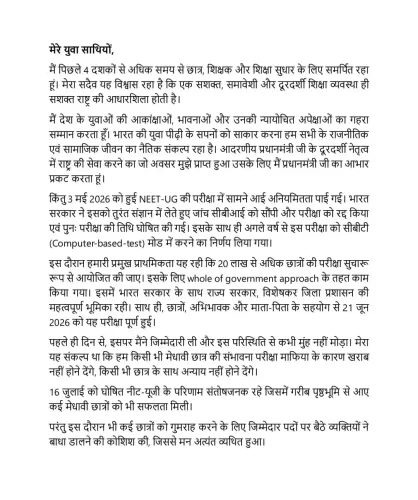
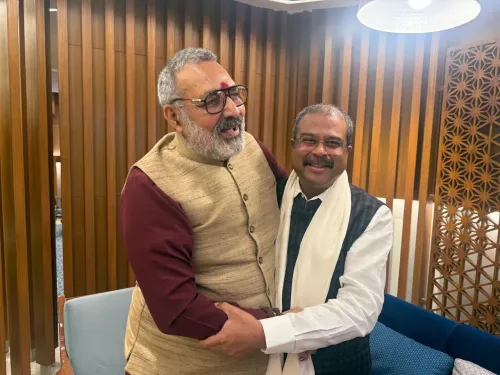
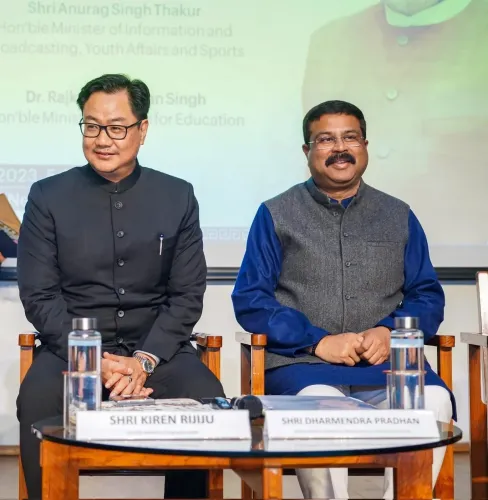
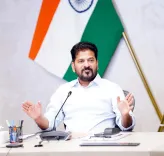
Pradhan shares education update on X amid NEP push
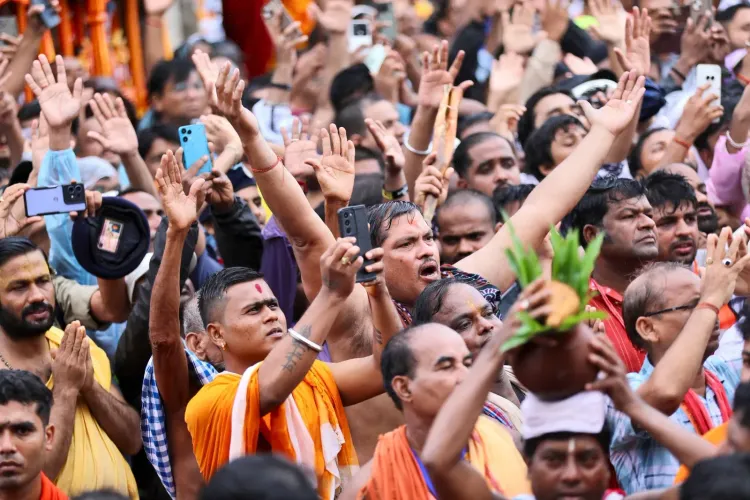
Synopsis
Union Education Minister Dharmendra Pradhan posted four images on X on 16 July 2026, continuing the ministry's pattern of social-media updates on NEP 2020 rollout. The post signals fresh activity in India's education sector, with parliamentary scrutiny and a state ministers' conference on the horizon.
Key Takeaways
Dharmendra Pradhan , Union Education Minister and senior BJP leader, posted four images on X on 16 July 2026 .
The post carries no text; the images are the sole communication, consistent with past ministry practice around events and scheme updates.
The National Education Policy 2020 replaced the 1986 policy and introduced a 5+3+3+4 school structure and multiple entry-exit options in higher education.
Digital programmes PM eVIDYA and SWAYAM have received successive budget allocations as NEP implementation continues.
Parliamentary questions on NEP progress and a state education ministers' conference are the next key milestones to watch.
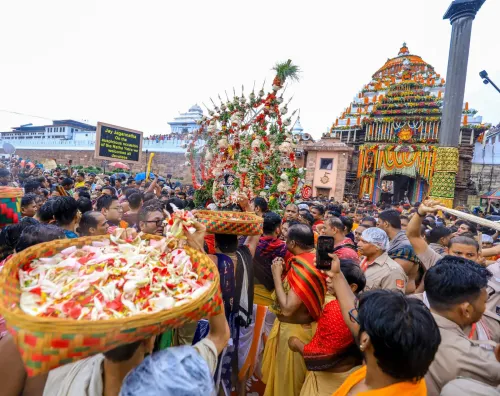
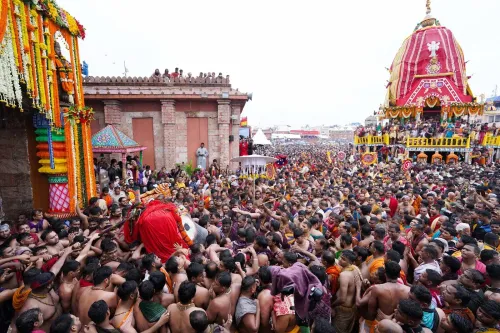
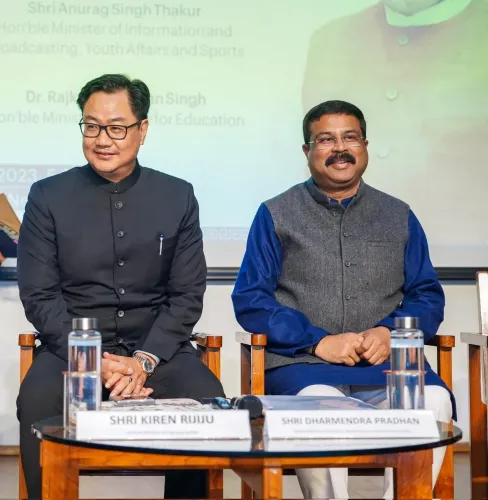
Union Education Minister Dharmendra Pradhan posted on X (formerly Twitter) on Thursday, 16 July 2026, sharing a set of four images related to education, continuing the Ministry of Education's active use of social media to communicate policy progress and ground-level activity.
Context
The post, shared from @dpradhanbjp, carried four images but no accompanying text, leaving the visual content as the primary communication. While the specific subject of the images could not be independently verified at the time of publication, such posts from the minister have typically accompanied events, institutional visits, scheme launches, or data releases tied to the education sector.
Pradhan has been one of the more active cabinet ministers on social media, regularly using the platform to highlight milestones under the National Education Policy (NEP) 2020 and allied programmes.
Policy Backdrop
The National Education Policy 2020 replaced a policy framework dating to 1986 and introduced sweeping structural changes: a new 5+3+3+4 school curriculum architecture, multiple entry and exit options in higher education, and a stronger emphasis on regional languages in early schooling.
Implementation has been a rolling process coordinated between the Ministry of Education and state governments. Flagship digital programmes such as PM eVIDYA and the SWAYAM online learning platform have received successive budgetary boosts, and the ministry has used X to signal progress at each stage.
Before taking charge of the education portfolio, Pradhan served as Union Minister of Petroleum and Natural Gas, making him one of the more experienced hands in the current cabinet.
Stakeholders and Impact
Any communication from the Education Ministry touches a vast constituency: India has one of the world's largest student and teacher populations, with millions enrolled across central and state school boards and more than a thousand universities.
Teachers' bodies, state education departments, and student organisations closely track ministerial signals for cues on curriculum rollouts, examination reforms, and infrastructure spending. Posts accompanied by images of on-ground activity often precede formal announcements or press briefings.
What's Next
Parliamentary scrutiny of NEP 2020 implementation is expected to intensify in the coming session, with opposition members likely to press the ministry on timelines, state-level adoption gaps, and outcomes data. A conference of state education ministers is also on the watch-list as a forum where implementation bottlenecks are typically aired and resolved.
Further clarity on the content of Pradhan's 16 July post is expected as the ministry follows up with official press releases or briefings, a pattern consistent with past social-media activity from the portfolio.
Point of View
Even as political pressure mounts ahead of the next parliamentary session. The absence of text in this post is notable: it may reflect a routine field visit, or it may precede a larger announcement the ministry is staging carefully. Either way, it underscores how central social media has become to India's education policy communication architecture.
NationPress
15 Oct 2026
Frequently Asked Questions
What did Dharmendra Pradhan post on X on 16 July 2026?
Pradhan posted four images on X on 16 July 2026 with no accompanying text. The specific content of the images was not independently verified at the time of publication.
What is the National Education Policy 2020?
The National Education Policy 2020 replaced India's 1986 education policy. It introduced a new 5+3+3+4 school curriculum structure, multiple entry and exit options in higher education, and greater emphasis on regional languages in early schooling.
Who is Dharmendra Pradhan?
Dharmendra Pradhan is India's Union Minister of Education and a senior BJP leader. He previously served as Union Minister of Petroleum and Natural Gas before taking charge of the education portfolio.
What are PM eVIDYA and SWAYAM?
PM eVIDYA and SWAYAM are flagship digital education programmes run by the Ministry of Education. They provide online learning content and courses to students across India and have received increased budget allocations in successive Union Budgets.
What is the next big milestone for India's education policy?
The next key milestones include parliamentary questions on NEP 2020 implementation in the upcoming session and outcomes from a conference of state education ministers, where implementation gaps are typically discussed.