BIMSTEC security chiefs meet in New Delhi to tackle terrorism, cyber and maritime threats
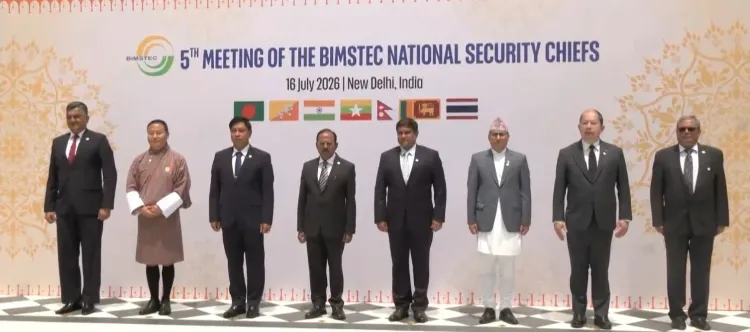
Synopsis
India's NSA Ajit Doval chaired the fifth BIMSTEC security chiefs' meeting in New Delhi, where seven nations adopted maritime disaster relief guidelines and sea law enforcement principles — the bloc's most concrete operational outputs in years, as it eyes its 2027 anniversary with renewed urgency on terrorism and cyber threats.
Key Takeaways
NSA Ajit Doval chaired the fifth BIMSTEC National Security Chiefs meeting in New Delhi on 17 July 2025 .
All seven member states — India, Bangladesh, Bhutan, Myanmar, Nepal, Sri Lanka , and Thailand — were represented.
Member states adopted maritime HADR guidelines to enable faster regional disaster relief operations.
A set of guiding principles for maritime law enforcement interactions at sea was also endorsed.
The agenda covered terrorism, organised crime, cyber security, maritime security, energy security, connectivity , and emerging threats .
BIMSTEC , founded on 6 June 1997 , approaches its 13th anniversary in 2027 with a renewed security mandate.
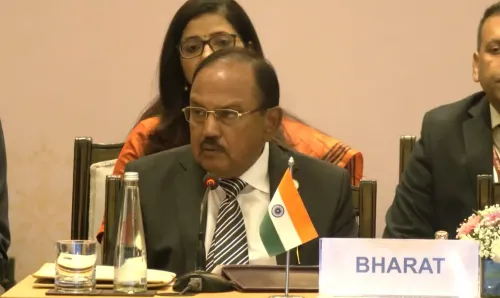
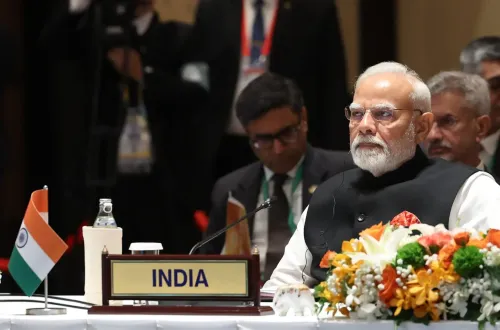
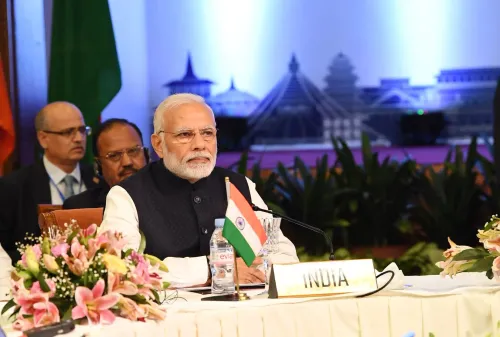
The National Security Chiefs of BIMSTEC convened in New Delhi on 17 July 2025 for their fifth joint meeting, deliberating on practical, result-oriented strategies to combat terrorism and organised crime across the seven-nation bloc. The session, chaired by National Security Advisor (NSA) Ajit Doval, brought together senior security heads from all member states to address threats spanning cyber, maritime, and energy domains.
Key Developments at the Fifth Meeting
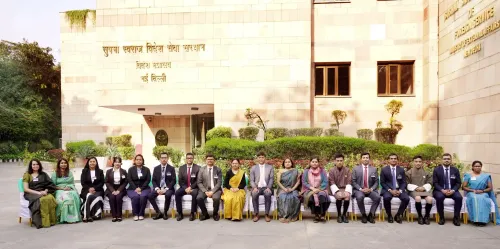
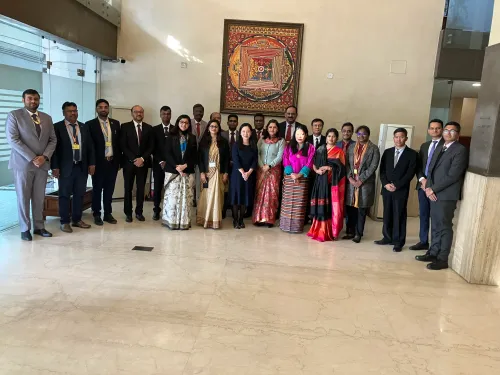
The meeting was attended by National Security Advisors and Heads of Delegations from Bangladesh, Bhutan, Myanmar, Nepal, Sri Lanka, and Thailand. The BIMSTEC Secretary General presented a comprehensive overview of the current state of security cooperation and briefed member states on progress made across multiple sectors, according to a statement issued by the Ministry of External Affairs (MEA).
Maritime Safety and Disaster Relief Guidelines Adopted
In a significant outcome, the security chiefs adopted guidelines for the maritime component of humanitarian assistance and disaster relief (HADR). According to the MEA, these guidelines are designed to enable member states to conduct relief operations across the region in an expeditious manner.
The delegations also endorsed a set of guiding principles on the conduct of maritime law enforcement agencies during interactions at sea. These principles are expected to establish reference points for improving predictability and promoting safety during maritime engagements among member states — a step that analysts note addresses longstanding coordination gaps in the Bay of Bengal.
Agenda: From Connectivity to Emerging Threats
Beyond counter-terrorism, the agenda covered enhanced regional connectivity, efficient disaster management frameworks, and strategies to address new and emerging threats — a broad category that officials indicated includes technology-driven risks and cross-border criminal networks. The meeting underscored BIMSTEC's role as a bridge between South Asia and Southeast Asia, two regions that together account for a substantial share of the Indian Ocean's strategic and economic activity.
BIMSTEC at a Glance
The Bay of Bengal Initiative for Multi-Sectoral Technical and Economic Cooperation (BIMSTEC) was established on 6 June 1997 through the signing of the Bangkok Declaration. Originally constituted as BIST-EC with Bangladesh, India, Sri Lanka, and Thailand, the grouping expanded to include Myanmar in December 1997, and Bhutan and Nepal in February 2004, bringing the total membership to seven states.
What Comes Next
As BIMSTEC approaches its 13th anniversary in 2027, the National Security Advisors reiterated their resolve to deepen collaboration and knowledge-sharing aimed at strengthening regional security, building institutional resilience, and expanding capacity to address diverse threats. The adopted maritime guidelines and law enforcement principles are expected to be operationalised in the months ahead, setting the stage for more coordinated regional responses to crises.
Point of View
Particularly as China deepens its footprint in Myanmar and Sri Lanka. The inclusion of 'new and emerging threats' on the agenda without specifics is worth watching: it likely encompasses AI-enabled disinformation and undersea cable security, neither of which the bloc has formal frameworks for yet. Whether these guidelines translate into coordinated action — or remain aspirational text — will be the real test of this meeting's legacy.
NationPress
16 Jul 2026
Frequently Asked Questions
What was decided at the fifth BIMSTEC National Security Chiefs meeting?
The fifth BIMSTEC National Security Chiefs meeting, held in New Delhi on 17 July 2025 and chaired by NSA Ajit Doval, adopted maritime humanitarian assistance and disaster relief guidelines and endorsed guiding principles for maritime law enforcement conduct at sea. Delegates also discussed counter-terrorism, cyber security, connectivity, and emerging threats.
Who attended the BIMSTEC security chiefs meeting in New Delhi?
National Security Advisors and Heads of Delegations from all seven BIMSTEC member states attended — India, Bangladesh, Bhutan, Myanmar, Nepal, Sri Lanka, and Thailand. The BIMSTEC Secretary General also briefed the delegations on progress in security cooperation.
What are the new BIMSTEC maritime guidelines about?
The adopted guidelines cover the maritime component of humanitarian assistance and disaster relief (HADR), aimed at helping member states conduct relief operations more swiftly across the region. A separate set of principles was also endorsed to govern maritime law enforcement agency interactions at sea, intended to improve predictability and safety during engagements.
What is BIMSTEC and when was it founded?
BIMSTEC — the Bay of Bengal Initiative for Multi-Sectoral Technical and Economic Cooperation — is a seven-nation regional grouping established on 6 June 1997 via the Bangkok Declaration. It originally comprised Bangladesh, India, Sri Lanka, and Thailand, later expanding to include Myanmar, Bhutan, and Nepal.
Why does this BIMSTEC meeting matter for India?
India, as the largest member state and chair of this meeting, is positioning BIMSTEC as a key platform for regional security architecture in the Bay of Bengal. The operational outputs — maritime guidelines and law enforcement principles — give India a framework to lead coordinated responses to disasters and maritime incidents among neighbouring states.