Maharashtra's ₹48,000-crore farm power waiver: Bailing out Mahavitaran for a ₹10,000-crore IPO
Synopsis
Maharashtra's ₹48,000-crore farm power write-off is being pitched as farmer relief — but the real story is a calculated balance-sheet cleanse that strips Mahavitaran of its most toxic debt before a ₹10,000-crore IPO. The state treasury picks up the tab; investors get a sanitised utility. Whether the solar-powered MSAPL can break the cycle of agricultural non-payment is the question no one in government is answering.
Key Takeaways
Maharashtra has announced a ₹48,000-crore write-off of legacy agricultural electricity arrears, benefiting 44 lakh farmers .
Chief Minister Devendra Fadnavis said old dues were blocking farmers from securing new power connections.
Mahavitaran (MSEDCL) is being demerged into a commercial unit and MSEB Solar Agro Power Limited (MSAPL) for agricultural supply via solar energy.
The initial demerger plan had earmarked ₹32,679 crore in absorption via 15-year bonds ; the expanded waiver raises the state's fiscal exposure significantly.
The commercial arm of Mahavitaran is being prepared for a ₹10,000-crore IPO , with proceeds targeted at smart metering and grid digitisation.
Economists warn the waiver, combined with a ₹25,000-crore annual power subsidy and farm loan schemes, is placing Maharashtra's fiscal deficit under unprecedented pressure.
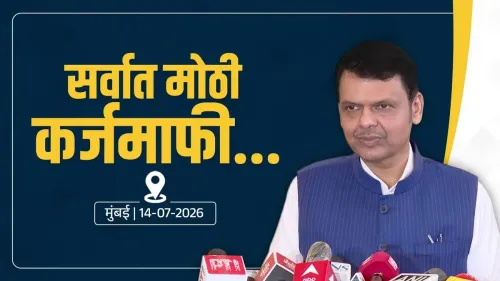
The Maharashtra government has announced a ₹48,000-crore write-off of legacy agricultural electricity arrears, a decision that simultaneously offers relief to 44 lakh farmers across the state and clears the balance sheet of state power utility Mahavitaran (MSEDCL) ahead of a planned ₹10,000-crore Initial Public Offering (IPO). The move, announced on 16 July, has drawn sharp scrutiny from economists and power sector analysts who argue the fiscal math does not add up.
What the Waiver Covers
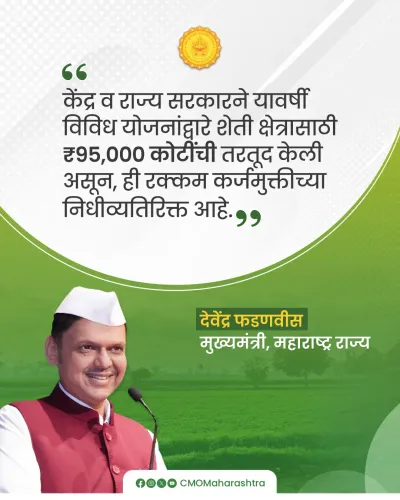
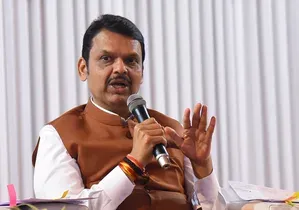
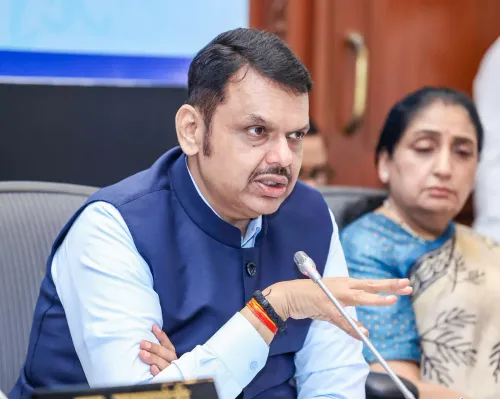
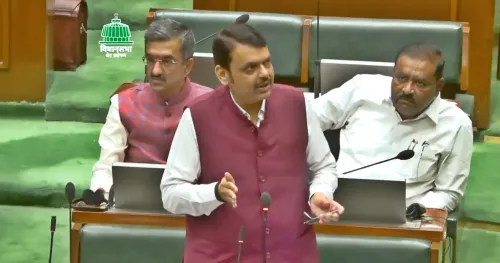
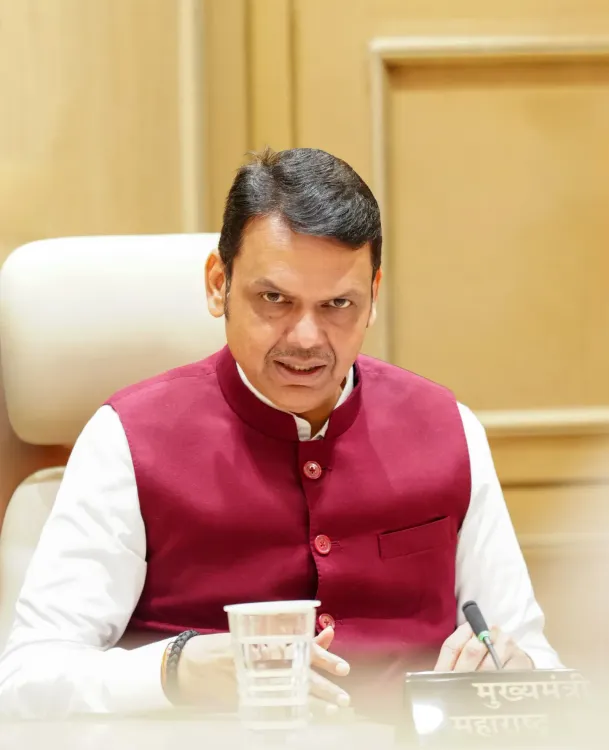
Chief Minister Devendra Fadnavis defended the decision as a necessary step to free farmers from the burden of historical liabilities. 'While farmers currently do not receive active bills for using these 7.5 HP motor pumps to irrigate their lands, older unpaid dues have remained registered under their names, blocking them from securing any new power connections. Our government has decided to write off ₹48,000 crore in old electricity bills. The farmer's slate must be wiped clean so they can write a new history of progress,' Fadnavis said.
The waiver covers arrears that had accumulated over years on agricultural connections — debts that power sector experts describe as politically impossible to collect and that institutional investors have long flagged as 'bad debt' on utility balance sheets.
The Demerger Blueprint and Why the Waiver Goes Further
The waiver arrives alongside a structural overhaul of Mahavitaran. The state government has approved a demerger of the utility into two distinct entities: a Commercial Unit serving profitable industrial, commercial, and urban residential consumers, and MSEB Solar Agro Power Limited (MSAPL), a dedicated entity to supply power to agricultural consumers through low-cost solar energy under the Mukhyamantri Saur Krushi Vahini Yojana 2.0.
Under the initial demerger blueprint, the state had already committed to absorbing ₹32,679 crore of agricultural arrears through 15-year long-term bonds. The expanded direct waiver of ₹48,000 crore significantly broadens that fiscal exposure. Power sector analysts argue that if the solar transition was designed to make agricultural supply self-sustaining, deploying large cash payouts retroactively drains capital that could have been invested directly into solar infrastructure.
Balance-Sheet Engineering for the IPO
From a corporate finance perspective, the waiver is widely seen as a calculated exercise in balance-sheet restructuring. Agricultural arrears have historically been the single largest red flag for public distribution companies (DISCOMs) in India. By absorbing this toxic debt into the state's own accounts, Maharashtra has effectively sanitised the commercial arm of Mahavitaran, positioning it for a market listing with improved book value, clean balance sheets, predictable cash flows from industrial and commercial tariffs, and zero agricultural liability.
The state government plans to deploy the ₹10,000 crore raised from the IPO to fund critical modernisation projects, including smart metering and grid digitisation. Institutional and retail investors would, in theory, be buying into a utility stripped of its most politically entrenched liabilities.
The Fiscal Strain on Maharashtra's Budget
State government sources have maintained that the financial burden of the waiver 'would not be transferred to the public.' Economists, however, contest this framing. The ₹48,000 crore will flow directly from Maharashtra's taxpayer-funded budget into Mahavitaran's accounts to square the ledger — it does not disappear.
When combined with an existing annual power subsidy of ₹25,000 crore and a parallel farm loan waiver scheme, Maharashtra's fiscal deficit is under considerable strain, according to analysts. Critics argue that every rupee directed toward covering historical defaults is a rupee unavailable for long-term capital expenditure in public education, healthcare, or state transport infrastructure.
The Moral Hazard Risk for the Solar Entity
Beyond the immediate fiscal impact, power sector analysts warn of a deeper systemic risk: the entrenchment of moral hazard in rural utility consumption. Even as MSAPL rolls out daytime solar power, establishing a culture of zero financial accountability makes it significantly harder for the new entity to enforce metering, collect basic tariffs, or build long-term operational discipline — the very foundations a commercially viable solar-powered agricultural utility requires.
Whether this 'clean slate' translates into genuine agricultural progress or simply sets the stage for the next cycle of debt accumulation remains an open question — one that Maharashtra's policymakers, investors, and farmers will all have to answer.
Point of View
000-crore waiver is, at its core, a subsidy to investors dressed up as farmer relief. By transferring agricultural bad debt from Mahavitaran's books to the state treasury, Maharashtra has made the commercial utility presentable for public markets — but the fiscal bill lands squarely on taxpayers. The deeper contradiction is structural: the state created MSAPL specifically to build a self-sustaining, solar-powered agricultural supply model, yet the waiver signals that collection discipline remains a political non-starter. If MSAPL cannot enforce metering or recover basic tariffs, it will accumulate its own arrears within a decade, and the cycle begins again. The IPO may be a masterstroke of corporate engineering, but it does not resolve the underlying governance failure that created ₹48,000 crore of uncollectable debt in the first place.
NationPress
16 Jul 2026
Frequently Asked Questions
What is Maharashtra's ₹48,000-crore electricity bill waiver?
It is a state government decision to write off ₹48,000 crore in legacy agricultural electricity arrears accumulated by farmers across Maharashtra. The waiver clears old dues registered under the names of 44 lakh farmers, many of whom were blocked from obtaining new power connections because of these outstanding liabilities.
Why is the waiver connected to Mahavitaran's IPO?
Agricultural arrears are classified as bad debt on utility balance sheets and are a major red flag for institutional investors. By absorbing this debt into the state budget, Maharashtra has sanitised the commercial arm of Mahavitaran, making it more attractive for a planned ₹10,000-crore IPO. The listing is expected to fund smart metering and grid digitisation.
What is MSEB Solar Agro Power Limited and how does it fit in?
MSEB Solar Agro Power Limited (MSAPL) is a newly created entity formed as part of Mahavitaran's demerger, dedicated to supplying power to agricultural consumers through low-cost solar energy under the Mukhyamantri Saur Krushi Vahini Yojana 2.0. It is designed to operate separately from the commercial unit that will be listed on public markets.
Who bears the financial cost of the ₹48,000-crore waiver?
Economists say the cost will be borne by Maharashtra's taxpayers, as the ₹48,000 crore will flow from the state budget into Mahavitaran's accounts. The state government has maintained the burden will not be passed to the public, but analysts describe this as a mathematical fallacy given the direct budgetary transfer involved.
What are the risks analysts are flagging?
Power sector analysts have highlighted two main risks: first, the fiscal strain on Maharashtra's budget, already under pressure from a ₹25,000-crore annual power subsidy and farm loan schemes; second, the entrenchment of moral hazard, where a culture of non-payment makes it harder for MSAPL to enforce metering and collect tariffs, potentially replicating the same debt crisis in the solar-powered agricultural entity.