Maharashtra farm loan waiver extended to FY 2026-27; ₹36,585 crore to cover 56 lakh farmers
Synopsis
Maharashtra has rewritten the rules of farm loan relief — removing the hard ₹2 lakh eligibility cutoff, extending the default window to FY 2026-27 for the first time ever, and committing ₹36,585 crore to over 56 lakh farmers. The scale dwarfs Opposition estimates and signals that agrarian distress, not electoral arithmetic, is driving the Fadnavis government's calculus — at least for now.
Key Takeaways
Maharashtra CM Devendra Fadnavis announced modifications to the crop loan waiver scheme on 10 July , extending coverage to defaults up to FY 2026-27 — a state first.
The revamped Punyashlok Ahilya Holkar Loan Waiver Scheme will benefit more than 56 lakh farmers with a total outlay of ₹36,585 crore .
The rigid ₹2 lakh disqualification cap has been removed; farmers exceeding the threshold can now receive relief by settling the excess amount.
The ₹50,000 cap for certain categories has been raised to ₹2 lakh , covering an additional two lakh farmers at an extra cost of ₹4,000–₹5,000 crore .
State agricultural support also includes ₹25,000 crore in annual electricity waivers and a ₹95,000 crore total budgetary outlay for agriculture.
Exclusion criteria retained for farmers who received consecutive waivers in close succession, to protect co-operative banking health.
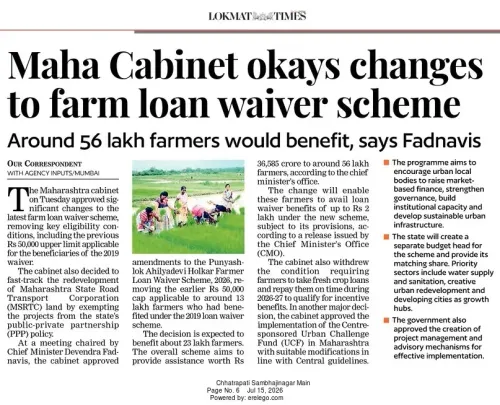
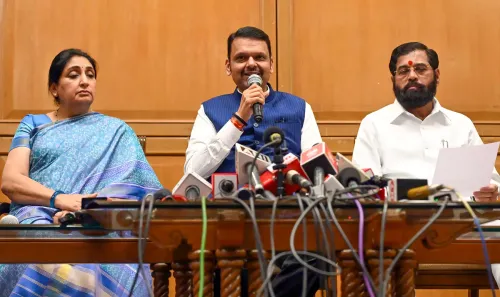
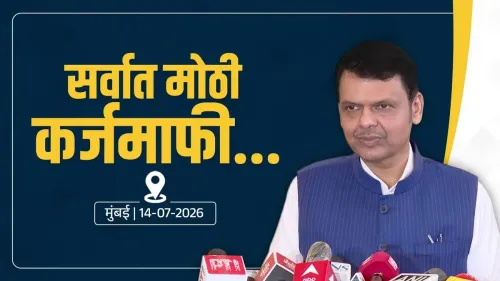
Maharashtra Chief Minister Devendra Fadnavis on Friday, 10 July announced a significant modification to the state's crop loan waiver scheme, expanding its scope to cover distressed farmers burdened with overdue loans up to the financial year 2026-27 — a first in the state's history. The revamped Punyashlok Ahilya Holkar Loan Waiver Scheme is projected to deliver a financial benefit of ₹36,585 crore to more than 56 lakh farmers across Maharashtra.
Key Changes to the Scheme
The most consequential departure from the predecessor Mahatma Phule Loan Waiver Scheme is the removal of a rigid eligibility cap. Under the earlier framework, farmers with outstanding balances exceeding ₹2 lakh were entirely disqualified — even if they owed a single rupee above the threshold. The modified scheme now allows these farmers to receive relief, provided they settle the excess amount themselves, ensuring they remain within the formal banking system.
The cutoff for eligible defaults has also been pushed forward. Originally covering overdue crop loans up to FY 2025-26, the scheme now encompasses defaults through FY 2026-27 — a move the state government describes as unprecedented. Additionally, following pressure from MahaYuti alliance legislators, the ₹50,000 cap applicable to certain farmer categories has been raised to ₹2 lakh, bringing an estimated additional two lakh farmers under the scheme's coverage. This expansion adds a fiscal burden of ₹4,000 to ₹5,000 crore to the state exchequer.
What the Government Said
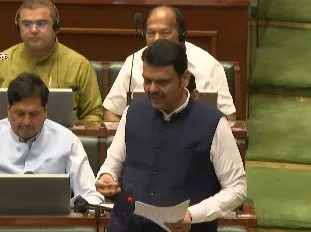
Chief Minister Fadnavis, responding to a debate on a motion in the State Assembly, dismissed Opposition claims that the scheme would benefit only 12,000 to 13,000 farmers while leaving out 36 lakh others, calling those figures 'completely baseless.' He maintained that the decision was driven by agrarian distress and not electoral calculations.
'We could have waited until 2029 since there are no immediate elections, but we decided to act because our farmers are in deep trouble,' Fadnavis said. He added: 'A loan waiver is a necessity of the hour. While no loan waiver has ever made a farmer rich, its true objective is to empower them to borrow from formal institutions again, ensuring they never have to knock on a private moneylender's door. We must rescue the farmer, but we must also keep the banking system alive.'
Broader Agricultural Support
The loan waiver comes on top of the state government's existing agricultural support architecture, which includes ₹25,000 crore annually in electricity waivers and a total budgetary outlay of ₹95,000 crore across various agricultural departments and subsidies. The comprehensive package also includes a one-time settlement (OTS) option and incentive bonuses for farmers who regularly clear their dues.
Credit Discipline and Banking Health Concerns
Maharashtra has now implemented farm loan waivers in 2017, 2020, and 2026 — a frequency that critics argue risks undermining the health of co-operative banks. The state government cited the example of Nagpur, where a past banking scam has severely constrained fresh crop loan disbursements to local farmers, as a cautionary precedent.
To safeguard credit discipline, the scheme retains exclusion criteria for farmers who benefited from consecutive waivers in close succession — mirroring the exclusion models applied between the 2008 national waiver and the 2009 state waiver, and between 2017 and 2019. The government said this is intended to maintain banking liquidity and prevent systemic moral hazard.
What Comes Next
With the scheme now formally modified and its financial contours defined, implementation details and disbursement timelines are expected to be notified. The scale of the intervention — covering over half a crore farmers — will test the state's administrative machinery and the resilience of Maharashtra's co-operative banking network in the months ahead.
Point of View
But the extension of the default window to FY 2026-27 raises a harder question — at what point does the promise of relief itself discourage timely repayment? The Nagpur banking scam cited by Fadnavis is not an isolated anecdote; it is a preview of what repeated waivers can do to co-operative credit infrastructure. The scheme's OTS component and incentive bonuses for regular repayers are the right instincts, but they will need rigorous implementation to avoid being drowned out by the headline waiver number.
NationPress
9 Oct 2026
Frequently Asked Questions
What is the Punyashlok Ahilya Holkar Loan Waiver Scheme in Maharashtra?
It is a modified crop loan waiver scheme announced by Maharashtra CM Devendra Fadnavis on 10 July, replacing the earlier Mahatma Phule Loan Waiver Scheme. It extends relief to over 56 lakh farmers with a total outlay of ₹36,585 crore and covers overdue crop loans up to FY 2026-27.
How is the new Maharashtra loan waiver different from the earlier scheme?
The earlier Mahatma Phule scheme disqualified any farmer whose outstanding loan exceeded ₹2 lakh, even by a single rupee. The new scheme removes this hard barrier — farmers above the threshold can still receive relief by settling the excess amount. The default coverage window has also been extended from FY 2025-26 to FY 2026-27, which the state says is unprecedented.
How many farmers will benefit from the Maharashtra loan waiver?
The state government says more than 56 lakh farmers will benefit, directly countering Opposition claims that only 12,000 to 13,000 farmers would be covered. The total financial benefit is pegged at ₹36,585 crore.
Why has the Maharashtra government retained exclusion criteria in the scheme?
To protect credit discipline and the health of co-operative banks, the scheme excludes farmers who received consecutive waivers in close succession — similar to the exclusions applied between the 2008 national waiver and 2009 state waiver, and between 2017 and 2019. The government cited a past banking scam in Nagpur as evidence of the systemic damage repeated waivers can cause.
What is the total agricultural support being provided by the Maharashtra government?
Beyond the ₹36,585 crore loan waiver, the state provides ₹25,000 crore annually in electricity waivers and a total budgetary outlay of ₹95,000 crore across agricultural departments and subsidies. The waiver package also includes a one-time settlement option and incentive bonuses for farmers who repay dues regularly.