Maharashtra farm loan waiver by June 30: CM Fadnavis sets deadline
Synopsis
After months of ambiguity that handed the Opposition a ready attack line, Maharashtra CM Devendra Fadnavis has finally put a date on the farm loan waiver — June 30 — while simultaneously banning CIBIL checks for crop loans and ordering banks to hit 80% agricultural credit targets. With only 88% rainfall forecast and fertiliser supply under pressure, this is the state's most comprehensive pre-Kharif intervention in years.
Key Takeaways
CM Devendra Fadnavis announced on 21 May that Maharashtra's farm loan waiver will be fully implemented by June 30 .
Nationalised banks have been directed to achieve at least 80 per cent of their agricultural loan distribution targets.
CIBIL scores will not be required for crop loans; banks must issue written instructions to all branches confirming this.
RBI officials attended the review meeting and confirmed the regulatory stance on CIBIL exemptions.
Meteorological forecasts project only 88 per cent of normal rainfall; the state has activated Jalyukt Shivar water conservation measures in response.
Mandatory videography protocols will be introduced to prevent illegal diversion of agricultural fertilisers to industrial use.
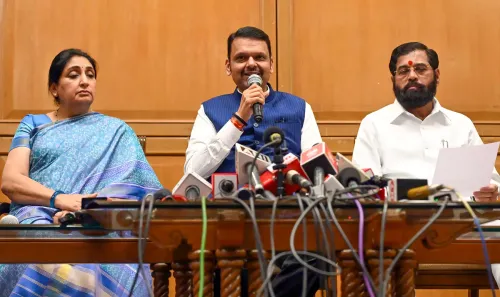
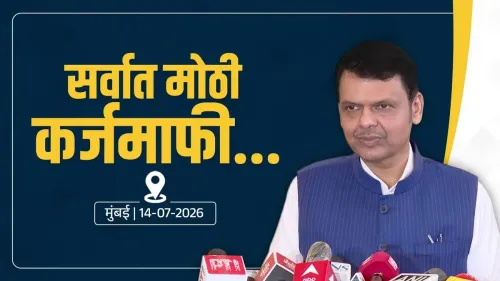
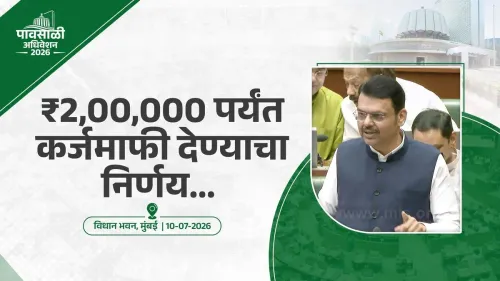
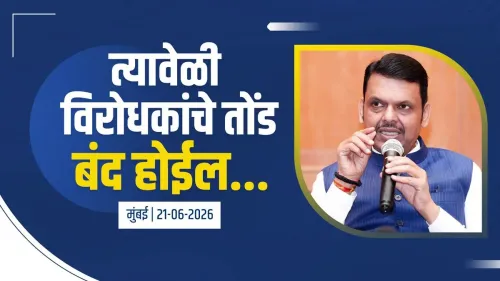
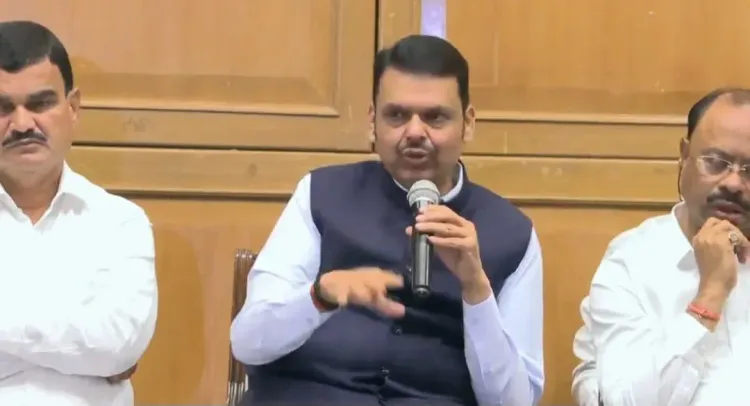
Maharashtra Chief Minister Devendra Fadnavis on Thursday, 21 May announced that the state government's farm loan waiver scheme will be fully implemented by June 30, ending months of uncertainty for farmers and banking institutions ahead of the critical Kharif sowing season. The announcement came after a review meeting on Kharif season preparedness and the State Level Bankers' Committee in Mumbai.
The June 30 Deadline and What It Means
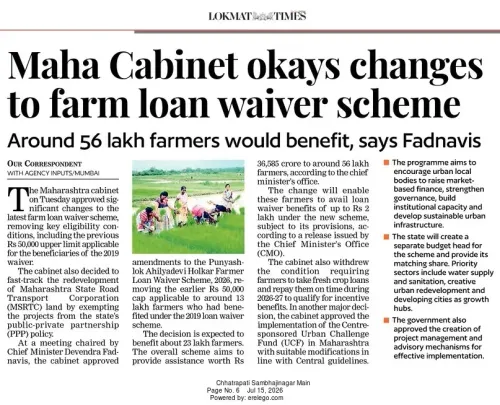
Fadnavis declared that all eligible farmers will receive their loan waivers before June 30, clearing the way for fresh credit access ahead of the upcoming agricultural season. The state had previously announced the scheme without specifying an execution date — a gap that had generated significant confusion among farmers and lenders alike, and which the Opposition had used to mount sustained criticism of the administration.
With the deadline now formally set, banks are expected to process outstanding waivers in the coming weeks, allowing farmers to approach lenders for fresh crop loans without the burden of prior dues.
Banks Directed to Hit 80% Credit Targets
Fadnavis directed nationalised banks to achieve at least 80 per cent of their designated agricultural loan distribution targets, acknowledging that these institutions have historically fallen short. According to state data, District Cooperative Banks and Rural Banks currently account for 67 per cent of agricultural loans, while nationalised banks account for 26 per cent.
The Chief Minister made clear that underperformance on agricultural credit is no longer acceptable, particularly with sowing season imminent.
No CIBIL Score for Crop Loans
In a significant relief measure, Fadnavis stated that the state government has issued binding directives prohibiting banks from demanding CIBIL scores from farmers applying for crop loans. 'We have informed nationalised banks in very strict terms that no farmer should be inconvenienced by CIBIL requirements,' he said.
He directed bank headquarters to issue explicit written instructions to every local branch confirming that CIBIL scores are not mandatory for crop loans. Officials from the Reserve Bank of India (RBI) attended the meeting and confirmed this regulatory position, lending institutional weight to the directive.
Rainfall Concerns and Contingency Plans
Fadnavis flagged a significant climate risk: current meteorological forecasts project only 88 per cent of normal rainfall, with a declining precipitation trend expected. This pattern is likely to increase moisture stress on crops across the state.
In response, the state has accelerated deployment of 'Jalyukt Shivar' water conservation initiatives and launched the 'Mahavistar' mobile application, which uses Artificial Intelligence (AI) to deliver tailored crop advisory and answer direct agricultural queries from farmers.
Fertiliser Supply and Anti-Diversion Measures
The government is also closely monitoring fertiliser supply, which faces global manufacturing pressures this year. To prevent illegal diversion of agricultural fertilisers to industrial use, Fadnavis announced that the state will implement mandatory videography protocols at distribution points.
With the Kharif season approaching rapidly, the cumulative measures — loan waiver deadline, simplified credit access, rainfall contingency plans, and fertiliser oversight — represent the state's most comprehensive pre-sowing intervention in recent years.
Point of View
It removes a genuine access barrier for small and marginal farmers who have creditworthy repayment histories but poor formal scores. The real test, however, is whether nationalised banks — which have chronically undershot their 80% agricultural credit targets — will comply this time without the RBI backing it with punitive consequences. Announcements without enforcement mechanisms have a familiar trajectory in Maharashtra's agrarian policy.
NationPress
25 Sept 2026
Frequently Asked Questions
What is the Maharashtra farm loan waiver scheme and who is eligible?
The Maharashtra government's farm loan waiver scheme is designed to clear outstanding agricultural loans for eligible farmers across the state. Chief Minister Devendra Fadnavis announced on 21 May that all eligible farmers will receive their waivers before June 30, 2025, enabling them to access fresh credit for the Kharif season.
Why was the June 30 deadline announced now?
The state had previously announced the loan waiver without specifying an execution date, causing confusion among farmers and banks and drawing sustained criticism from the Opposition. The June 30 deadline was set to end that uncertainty and ensure waivers are processed before the Kharif sowing season begins.
Will farmers need a CIBIL score to get a crop loan in Maharashtra?
No. CM Fadnavis has issued binding directives prohibiting banks from demanding CIBIL scores from farmers applying for crop loans. RBI officials present at the review meeting confirmed this regulatory stance, and bank headquarters have been directed to notify all local branches in writing.
What is the 'Mahavistar' app launched for farmers?
Mahavistar is a mobile application launched by the Maharashtra government that uses Artificial Intelligence to provide farmers with tailored crop advisory and answer direct agricultural queries. It is part of the state's broader support package ahead of the Kharif season.
What is the rainfall outlook for Maharashtra's Kharif season?
Current meteorological forecasts project only 88 per cent of normal rainfall for Maharashtra, with a declining precipitation trend expected. The state has activated Jalyukt Shivar water conservation initiatives as a contingency measure to mitigate moisture stress on crops.