CM Fadnavis raises farmer loan waiver limit to ₹2 lakh
Synopsis
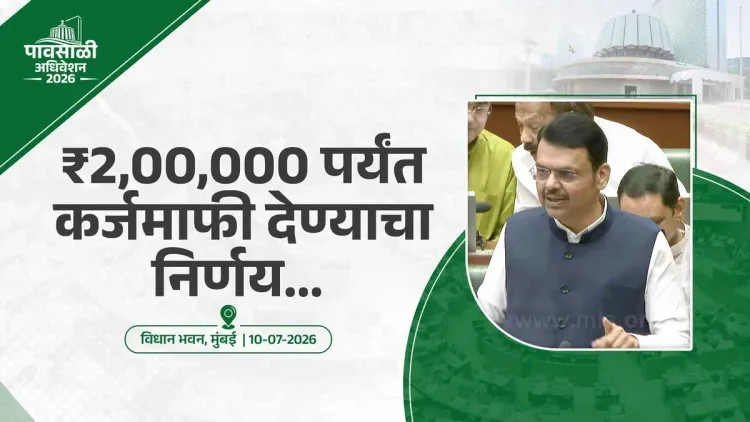
Maharashtra Chief Minister Devendra Fadnavis announced on 10 July 2026 that the Mahatma Jyotirao Phule Farmer Loan Waiver Scheme will be revised to offer relief up to ₹2,00,000, while the earlier ₹50,000 minimum-loan eligibility condition will be scrapped, widening access for small and marginal farmers.
Key Takeaways
The loan waiver ceiling under the Mahatma Jyotirao Phule Farmer Loan Waiver Scheme will be raised to ₹2,00,000 .
The earlier eligibility condition requiring a minimum outstanding loan of ₹50,000 has been removed.
The announcement was made by CM Devendra Fadnavis at the Maharashtra Vidhan Sabha on 10 July 2026 during the Monsoon Session 2026 .
Removing the minimum-loan floor widens eligibility to small and marginal farmers previously excluded from the scheme.
Formal implementation guidelines and budgetary provisions are yet to be issued following the legislative announcement.
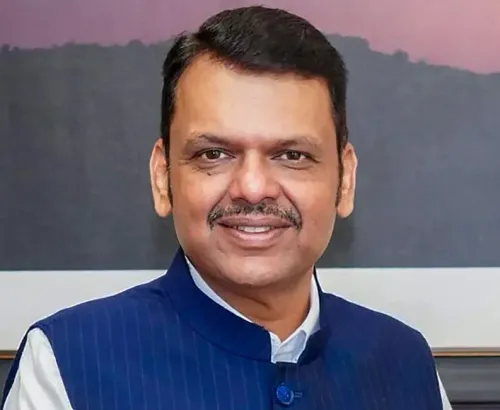
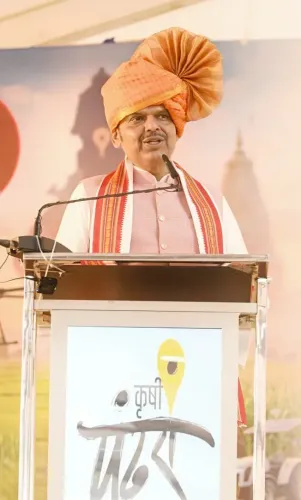
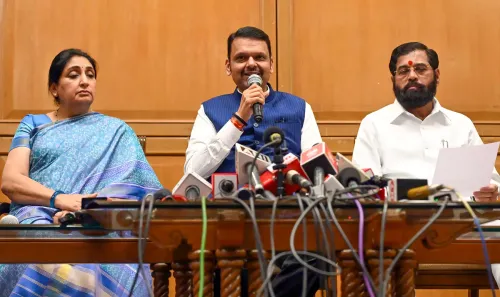
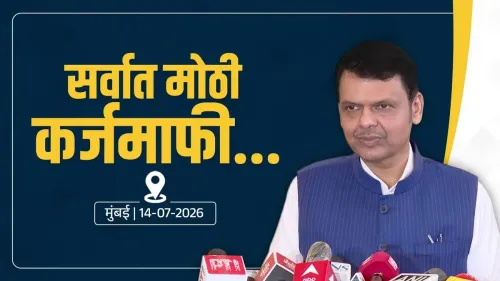
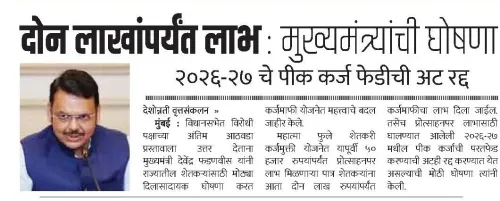
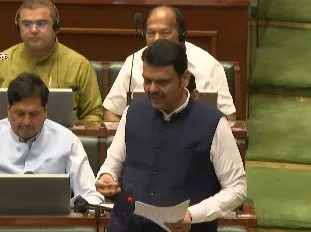
Maharashtra Chief Minister Devendra Fadnavis announced on Friday, 10 July 2026 that the loan waiver ceiling under the Mahatma Jyotirao Phule Farmer Loan Waiver Scheme will be raised to ₹2,00,000, while simultaneously scrapping the earlier eligibility condition that required farmers to have an outstanding loan of at least ₹50,000. The announcement was made from the floor of the Maharashtra Vidhan Sabha in Mumbai during the ongoing Monsoon Session 2026.
Context
Fadnavis posted the announcement in both English and Marathi, stating: 'महात्मा ज्योतिराव फुले शेतकरी कर्जमुक्ती योजनेतील लाभार्थी शेतकऱ्यांसाठी ₹50,000 ची अट काढून त्यांना ₹2,00,000 पर्यंत कर्जमाफी देण्यात येणार' ('Under the Mahatma Jyotirao Phule Farmer Loan Waiver Scheme, the ₹50,000 condition will be removed and beneficiary farmers will receive a waiver of up to ₹2,00,000'). The twin changes — a higher ceiling and a removed floor — together widen the pool of eligible farmers and increase the quantum of relief available to each beneficiary.
The scheme is named after Jyotirao Phule, the 19th-century social reformer from Maharashtra who championed the rights of peasants and marginalised communities. Invoking his name for an agrarian relief programme carries symbolic weight in the state's political landscape.
Policy Backdrop
Maharashtra has a long history of agricultural debt-relief programmes. A notable waiver scheme was launched under the Fadnavis administration in 2017, covering crop loans up to specified limits for distressed farmers. Successive state governments have periodically revised eligibility thresholds and waiver caps in response to farmer protests, drought conditions, and electoral cycles.
The Mahatma Jyotirao Phule Farmer Loan Waiver Scheme, as it stood before this revision, carried a minimum outstanding-loan condition of ₹50,000, which excluded farmers with smaller debt burdens from accessing relief. By removing this floor, the state government signals an intent to make the programme more inclusive, particularly for small and marginal cultivators whose individual borrowings may fall below that threshold.
Across India, state-level farm loan waivers have been a recurring policy instrument to address rural indebtedness. Critics have argued that such waivers, while providing immediate relief, can strain state finances and create moral hazard in credit markets; proponents counter that they are essential lifelines in a sector battered by erratic monsoons and volatile commodity prices.
Stakeholders and Impact
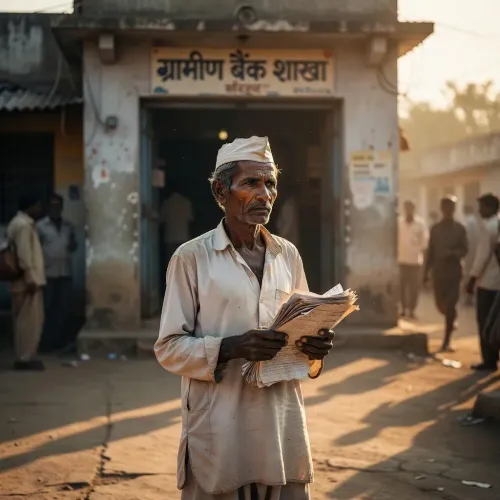
The primary beneficiaries are Maharashtra's farming community, particularly small and marginal farmers who hold institutional crop loans. Removing the ₹50,000 minimum-outstanding condition means farmers with smaller loan accounts — previously excluded — will now qualify for relief under the revised scheme.
For farmers already enrolled in the scheme, the increase in the waiver ceiling to ₹2,00,000 means a larger portion of their outstanding debt can be written off by the state government. Cooperative banks and district central cooperative banks, which are the primary lenders to Maharashtra's rural borrowers, will be key institutional stakeholders in the implementation process.
The fiscal impact on Maharashtra's state budget will depend on the number of newly eligible farmers and the aggregate outstanding loans covered, details of which are expected to emerge through official implementation guidelines.
What's Next
The announcement was made during the Monsoon Session 2026 of the Maharashtra Vidhan Sabha, and the government is expected to follow up with formal budgetary provisions and administrative orders detailing the revised eligibility criteria, the disbursement mechanism, and the timeline for implementation. Farm groups and opposition parties are likely to scrutinise whether the enhanced waiver translates into actual debt relief on the ground or remains contingent on further procedural steps. The session's remaining proceedings will be closely watched for any additional measures targeting the agriculture sector.
Point of View
As it simultaneously expands the beneficiary pool downward and the relief quantum upward. Announced from the Vidhan Sabha floor during the Monsoon Session, the move follows a well-established Maharashtra pattern of using legislative sessions as platforms for high-visibility agrarian relief. For the Fadnavis government, the announcement serves to demonstrate rural responsiveness at a time when farm distress and debt remain politically sensitive issues across Maharashtra's agrarian belt. The real test will lie in the speed and transparency of implementation, where past Maharashtra farm waivers have faced criticism over delays and exclusions.
NationPress
9 Oct 2026
Frequently Asked Questions
What is the new loan waiver limit under the Mahatma Jyotirao Phule Farmer Loan Waiver Scheme?
The new loan waiver limit has been raised to ₹2,00,000 per beneficiary farmer, as announced by CM Devendra Fadnavis on 10 July 2026.
What was the ₹50,000 condition in the Maharashtra farmer loan waiver scheme?
The ₹50,000 condition was a minimum outstanding loan eligibility requirement; only farmers with at least ₹50,000 in outstanding loans qualified. This condition has now been removed.
Who benefits from the revised Mahatma Jyotirao Phule Farmer Loan Waiver Scheme?
All enrolled beneficiary farmers in Maharashtra benefit, with small and marginal farmers who previously had loans below ₹50,000 now also becoming eligible after the floor condition was scrapped.
When and where did CM Fadnavis announce the revised farm loan waiver?
The announcement was made on 10 July 2026 at the Maharashtra Vidhan Sabha in Mumbai during the Monsoon Session 2026.
Has Maharashtra done farm loan waivers before?
Yes, Maharashtra has a history of agricultural debt-relief programmes, including a notable scheme launched in 2017 during an earlier Fadnavis administration, with successive governments revising eligibility and waiver caps over time.