CM Dhami's Seva Pakhwada Reaches 64,000+ Uttarakhand Residents
Synopsis
Uttarakhand's 'Seva Sushasan aur Samarpan Pakhwada' held 73 public service camps across all districts between July 4-9, 2026, reaching over 64,192 citizens, resolving 4,901 grievances on the spot, and issuing 2,522 essential certificates under CM Pushkar Singh Dhami's field-first governance model.
Key Takeaways
73 Jan Seva Shivirs were held across all districts of Uttarakhand between 4 and 9 July 2026 .
Over 64,192 citizens participated directly in the camps.
21,908 citizens received direct benefits under various welfare schemes.
Of 5,567 grievances received, 4,901 — about 88 per cent — were resolved on the spot .
2,522 applications for income, caste, domicile, and social category certificates were processed at the camps.
CM Dhami has mandated that decision-capable officers must be present at every camp to enable primary-level resolution without escalation.
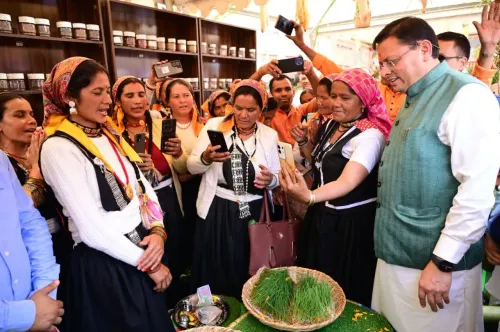
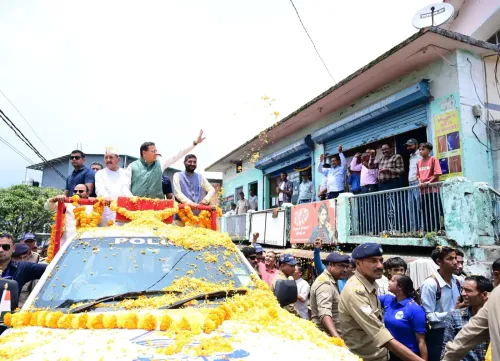
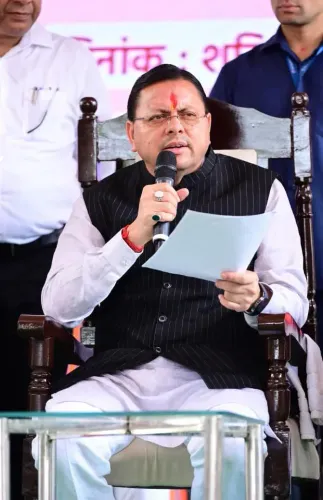
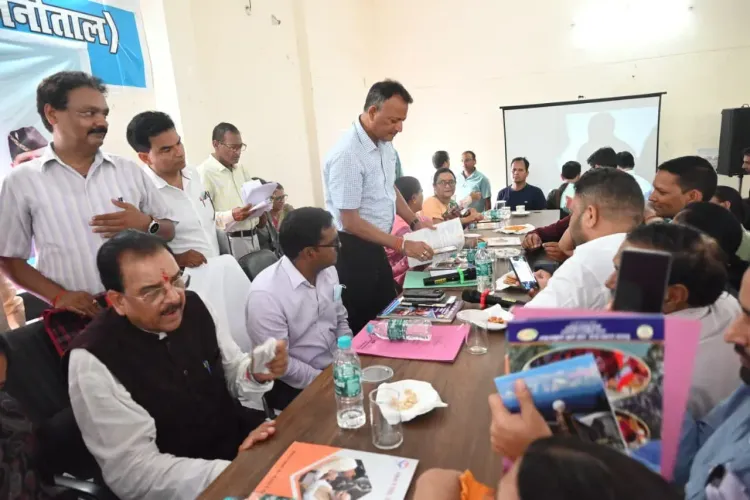
The Chief Minister's Office of Uttarakhand announced on 10 July 2026 that the state government's flagship outreach drive, 'Seva Sushasan aur Samarpan Pakhwada' ('Service, Good Governance and Dedication Fortnight'), has reached over 64,000 citizens across all districts of the state within its first phase, under the leadership of Chief Minister Pushkar Singh Dhami.
Context
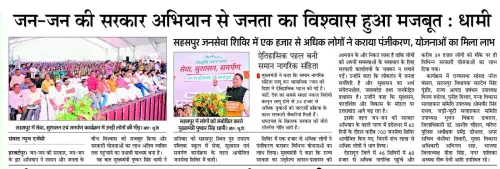
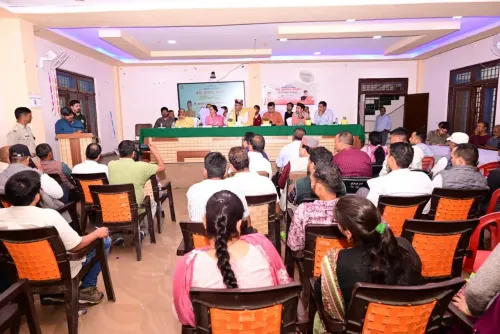
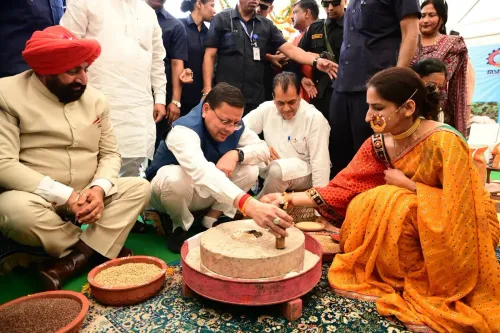
Between 4 July and 9 July 2026, a total of 73 Jan Seva Shivirs (public service camps) were held across every district of Uttarakhand under the campaign branded 'Jan-Jan ki Sarkar, Jan-Jan ke Dwar' — roughly translated as 'A government for every citizen, at every citizen's door'. The camps recorded direct participation from 64,192 residents. Of these, 21,908 citizens received on-the-spot benefits under various welfare schemes.
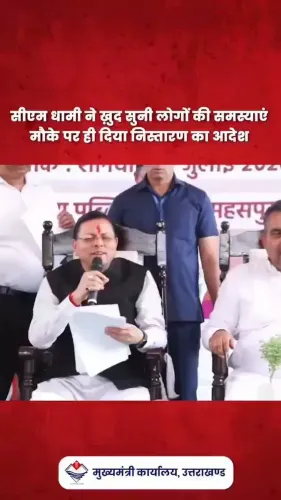
A total of 5,567 grievances and applications were received during the camps. Of these, 4,901 cases — nearly 88 per cent — were resolved on the spot. The remaining cases have been forwarded to the relevant departments under a time-bound action plan and placed under continuous monitoring to ensure no complaint remains pending.
Policy Backdrop
The camps also processed 2,522 applications for essential documents including income certificates, caste certificates, domicile certificates, and social category certificates — routine paperwork that has historically required multiple visits to government offices. Chief Minister Dhami has directed that decision-capable officers must be present at every camp so that resolutions are reached at the primary level itself, rather than being escalated upward.
Since taking office in 2021, CM Dhami has consistently emphasised 'seva' and 'sushasan' — service and good governance — as the twin pillars of his administration. The current pakhwada formalises that philosophy into a structured, time-bound outreach mechanism. The approach mirrors a broader pattern visible across several Indian states, where periodic public camps are used to accelerate certificate delivery, reduce administrative pendency, and build trust through a visible official presence in the field.
Stakeholders and Impact
The primary beneficiaries are residents of Uttarakhand's hilly and remote districts, where access to government offices is often constrained by geography. By taking officials to the field rather than requiring citizens to travel to district headquarters, the administration aims to close the last-mile gap in service delivery. The CMO stated that the initiative is helping make the administrative machinery 'more sensitive and responsive.'
CM Dhami was quoted in the post as saying that the 'Seva Sushasan aur Samarpan Pakhwada' is 'a campaign that is changing the philosophy of governance in the state,' adding that direct dialogue between the government and the public has fostered 'a culture of swift resolution of problems' and strengthened public trust in the administration.
What's Next
The CMO's update covers progress only through 9 July 2026, suggesting the pakhwada is ongoing and further data on camp outcomes is expected. The remaining unresolved complaints — placed under departmental monitoring — will be a key measure of the initiative's long-term effectiveness. Observers will watch whether the state announces a second round of camps or expands the programme's geographic and thematic scope.
Point of View
Not the other way around. The near-88-per-cent on-the-spot resolution rate, if sustained, would represent a meaningful departure from the chronic pendency that plagues routine citizen services in hill states. The initiative fits squarely within the BJP's national governance narrative of responsive, tech-enabled, field-first administration, and its success — or failure — will likely shape how Dhami positions himself ahead of future electoral cycles. The real test lies in whether the remaining unresolved cases receive the time-bound follow-through the CMO has promised.
NationPress
9 Oct 2026
Frequently Asked Questions
What is the Seva Sushasan aur Samarpan Pakhwada in Uttarakhand?
It is a statewide fortnight-long outreach programme launched by the Uttarakhand government under CM Pushkar Singh Dhami, in which government officials hold public service camps across all districts to resolve citizen grievances, deliver welfare scheme benefits, and issue essential certificates on the spot, rather than requiring residents to visit offices.
How many people benefited from the Uttarakhand Jan Seva Shivirs in July 2026?
According to the Chief Minister's Office, over 64,192 citizens participated in the 73 camps held between 4 and 9 July 2026, of whom 21,908 received direct benefits under welfare schemes.
How many grievances were resolved at the Uttarakhand service camps?
Out of 5,567 grievances and applications received, 4,901 were resolved on the spot — a resolution rate of nearly 88 per cent. The remaining cases were forwarded to relevant departments under a time-bound action plan.
What certificates were issued at the Uttarakhand Jan Seva Shivirs?
The camps processed 2,522 applications for income certificates, caste certificates, domicile certificates, social category certificates, and other essential documents.
What has CM Dhami directed regarding the service camps?
CM Pushkar Singh Dhami has directed that officers with decision-making authority must be present at every camp, that grievances be resolved at the primary level itself, and that officials go into the field rather than calling citizens to offices.