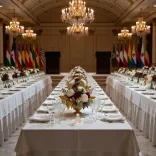
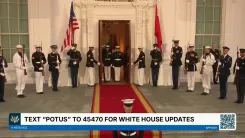
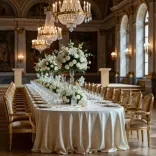
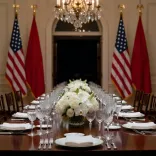
Trump Hosts Xi Jinping for White House State Dinner
Synopsis
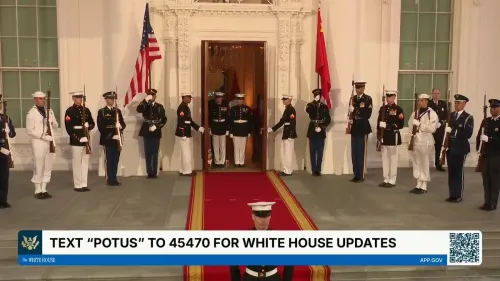
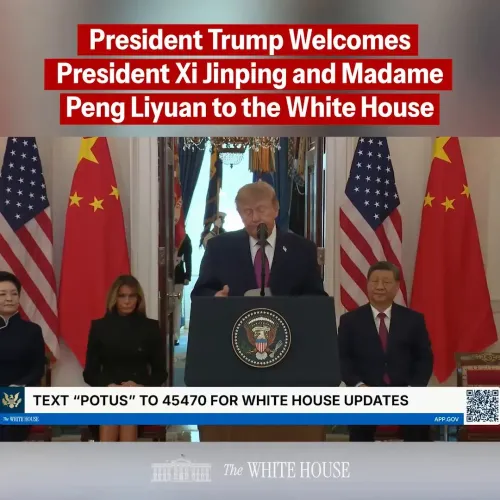
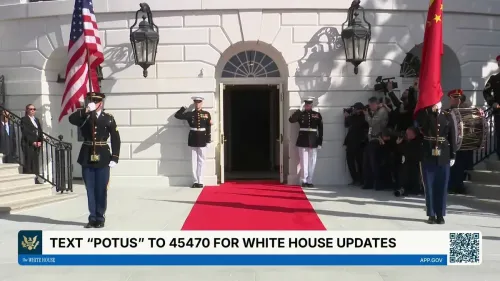
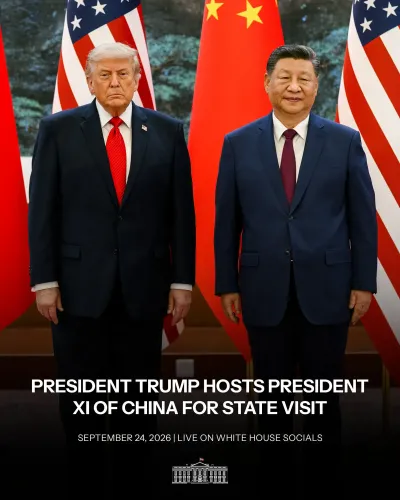
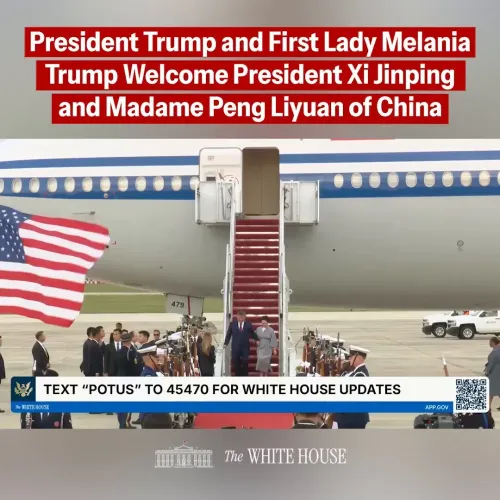
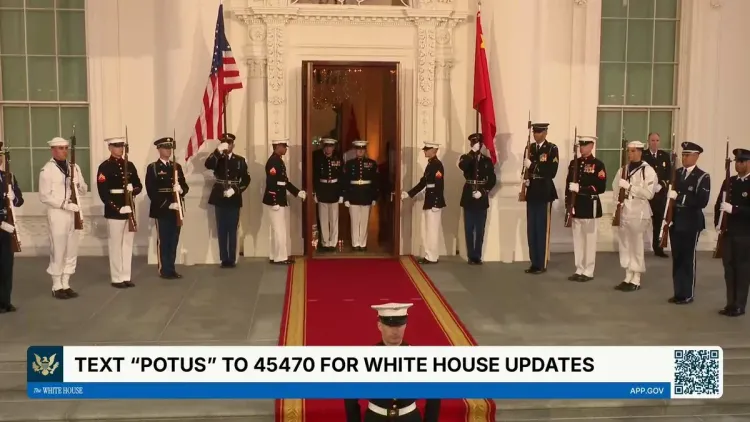
President Donald J. Trump and First Lady Melania Trump hosted President Xi Jinping and Madame Peng Liyuan for a State Dinner at the White House on September 25, 2026, marking a major ceremonial moment in the world's most consequential bilateral relationship.
Key Takeaways
President Trump and First Lady Melania Trump hosted President Xi Jinping and Madame Peng Liyuan for a formal State Dinner at the White House .
The State Dinner represents the highest level of ceremonial diplomatic hospitality the US extends to a foreign head of state.
Trump and Xi have a precedent of personal summit diplomacy dating to the landmark 2017 Mar-a-Lago meeting .
State dinners between US and Chinese leaders have historically served as diplomatic stabilisers, even amid ongoing trade and technology disputes.
The visit carries strategic significance for India and the broader Indo-Pacific given the triangular nature of US-China-India relations.
Any joint statements or follow-on economic talks emerging from the visit will be closely watched by global markets and allied governments.
In one of the most closely watched diplomatic rituals in modern geopolitics, President Donald J. Trump and First Lady Melania Trump welcomed President Xi Jinping and Madame Peng Liyuan for a formal State Dinner at the White House on Friday, September 25, 2026 — a ceremonial moment that carries the full weight of the world's most consequential bilateral relationship.
What a State Dinner Signals Between Washington and Beijing
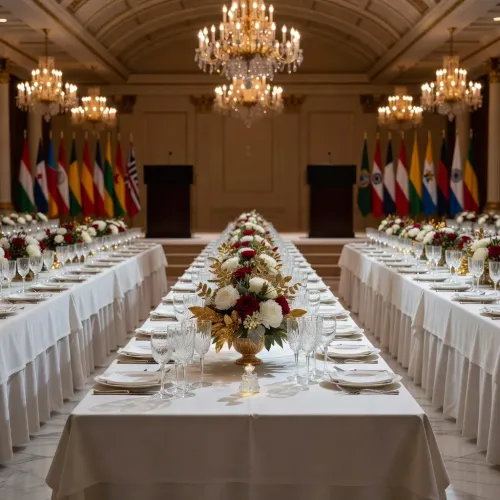
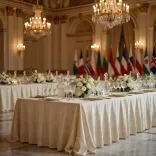
State dinners are not merely protocol. Between the United States and China, they function as high-voltage diplomatic theatre — a signal to markets, allies, and adversaries that the two powers are, at minimum, at the table. The White House's decision to host Xi Jinping with full ceremonial honours marks a deliberate elevation of the bilateral relationship, whatever tensions simmer beneath the surface.
Historically, leader-level summits between Washington and Beijing have served as pressure valves rather than resolution mechanisms. The formal dinner setting — with its choreographed toasts, carefully negotiated seating, and joint photographic record — is designed to project stability even when the diplomatic substance remains contested.
Trump and Xi: A Relationship Built on Personal Summitry
The two leaders have a well-documented history of direct personal engagement. During Trump's first term, the landmark 2017 summit at Mar-a-Lago set the template: elaborate hospitality as a diplomatic instrument, with trade and technology disputes continuing in parallel. That model — warm optics, hard bargaining — appears to be the operating framework again.
Peng Liyuan, China's First Lady and a celebrated performer in her own right, is a consistent and prominent presence at such state occasions, adding cultural dimension to what are otherwise intensely transactional encounters. Her attendance alongside Xi Jinping signals that this visit carries the full weight of an official state visit, not merely a working meeting.
Why the World Is Watching This Dinner
The US-China relationship spans trade balances running into the hundreds of billions of dollars, technology supply chains, military posturing in the Indo-Pacific, and competing visions of global governance. A State Dinner does not resolve any of that — but it creates the diplomatic architecture within which resolution, or managed competition, becomes possible.
For India, which sits at the intersection of both relationships, the optics of a warm Trump-Xi encounter carry particular strategic significance. Any shift in the US-China dynamic — toward accommodation or toward sharper confrontation — ripples directly into the calculus of the Quad, border diplomacy, and trade alignment across the Indo-Pacific.
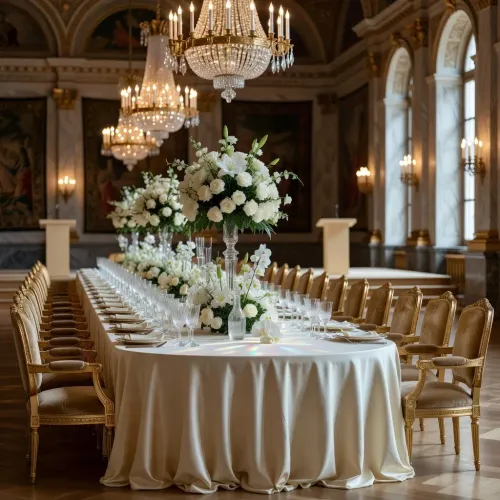
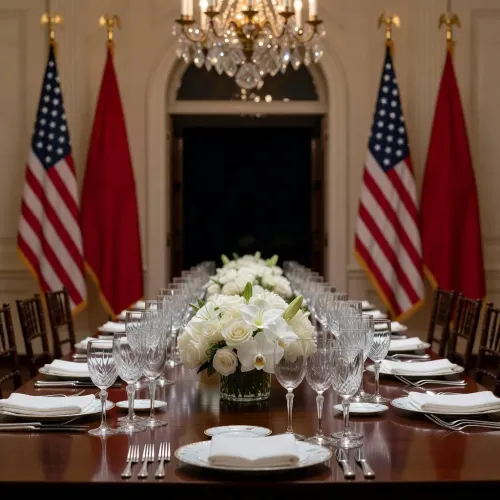
The joint statements, if any, and the economic talks that follow this dinner will tell the real story. The candles and crystal are only the beginning.
Point of View
But it creates the architecture for managed competition. Trump's use of ceremonial hospitality as a diplomatic lever mirrors his first-term playbook, where Mar-a-Lago summits generated goodwill while tariff and technology battles raged in parallel. For India, the warmth of a Trump-Xi encounter raises immediate questions about Quad solidarity and the durability of Washington's Indo-Pacific posture. The real test will come in the economic and security deliverables — or lack thereof — that follow the dinner's toasts.
NationPress
25 Sept 2026
Frequently Asked Questions
What is a State Dinner at the White House?
A State Dinner is the highest formal diplomatic honour the United States extends to a visiting foreign head of state, involving an official reception, a multi-course meal, and ceremonial toasts — designed to signal the importance Washington places on the bilateral relationship.
Why did Trump host Xi Jinping for a State Dinner in 2026?
The White House announced that President Trump and First Lady Melania Trump greeted President Xi Jinping and Madame Peng Liyuan for a State Dinner on September 25, 2026, as part of an official state visit reflecting the continued engagement between the two nations.
What is the history of Trump and Xi Jinping's diplomatic meetings?
Trump and Xi first held a high-profile summit at Mar-a-Lago in 2017, establishing a template of personal, hospitality-driven diplomacy that ran alongside ongoing disputes over trade tariffs and technology competition.
Who is Peng Liyuan and what is her role in state visits?
Peng Liyuan is the wife of President Xi Jinping and China's First Lady. A celebrated performer and public figure, she regularly accompanies Xi on official state visits, adding a prominent cultural dimension to diplomatic occasions.
How does a US-China State Dinner affect India?
Any warming or shift in US-China relations directly affects India's strategic environment, particularly regarding the Quad alliance, Indo-Pacific security arrangements, and bilateral trade dynamics where India must navigate between both powers.