Trump Hosts China's Xi Jinping for White House State Dinner
Synopsis
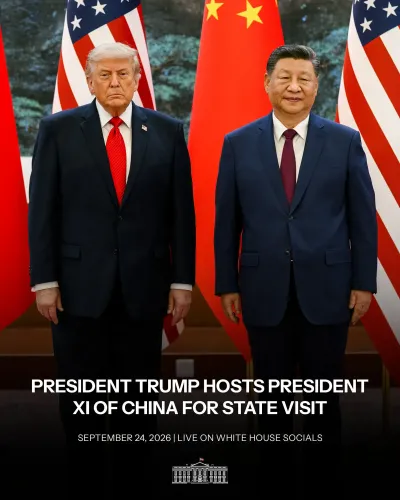
President Trump and First Lady Melania hosted China's President Xi Jinping and Madame Peng Liyuan for a White House State Dinner on September 24, 2026, in a high-profile moment for US-China bilateral diplomacy.
Key Takeaways
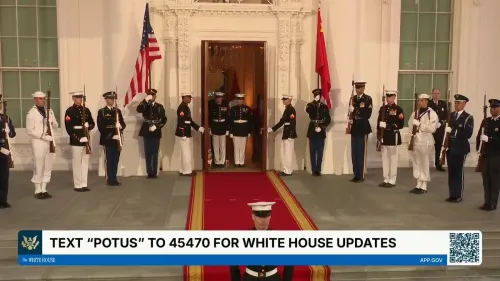
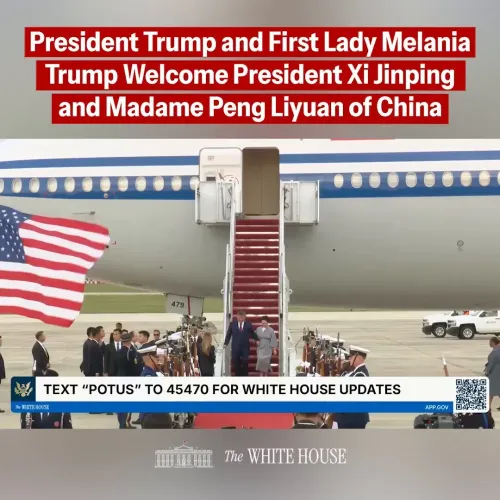
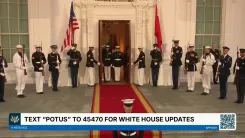
President Donald Trump and First Lady Melania Trump greeted President Xi Jinping and Madame Peng Liyuan at the White House on September 24, 2026 .
A formal State Dinner was held as part of what appears to be an official state visit by the Chinese president.
State Dinners represent the highest level of diplomatic protocol and signal an elevation of the bilateral relationship.
Xi Jinping and Trump previously met at Mar-a-Lago in April 2017 during Xi's first US visit as president.
Peng Liyuan , Xi's spouse and a prominent public figure in China, accompanied the president on the state visit.
Diplomatic observers are watching closely for any joint statements or agreements to emerge from the broader visit.
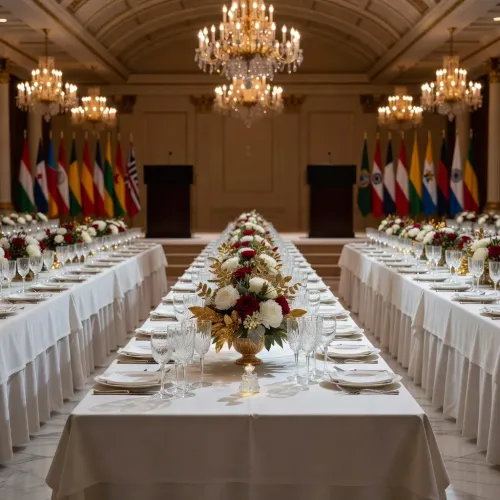
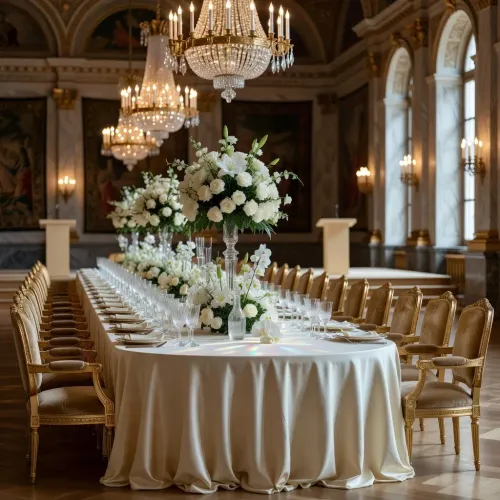
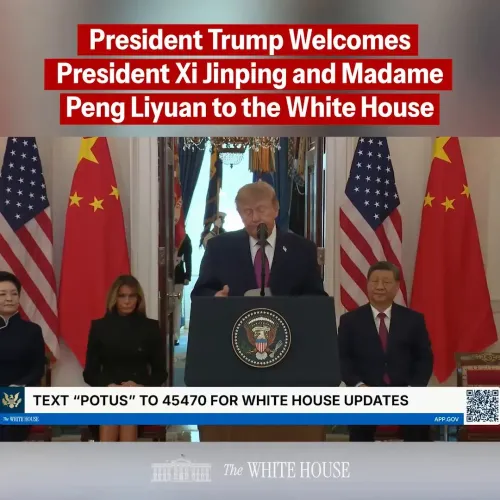
Beneath the chandeliers of the White House, President Donald Trump and First Lady Melania Trump received President Xi Jinping of China and Madame Peng Liyuan for a formal State Dinner on Thursday, September 24, 2026 — a rare and symbolically loaded moment in one of the world's most consequential bilateral relationships.
What a State Dinner signals in US-China diplomacy
State Dinners are not simply ceremonial meals. They are among the most deliberate instruments of personal diplomacy a president can deploy — an unambiguous signal that the relationship has been elevated to the highest level of official engagement. The White House confirmed the greeting and dinner through its official communications, with the two leaders and their spouses meeting in a setting designed as much for atmospherics as substance.
Peng Liyuan, a celebrated folk singer in China before her marriage to Xi Jinping, is one of the more publicly recognised first ladies in Chinese political history and frequently accompanies the president on high-profile state visits abroad.
The history behind a Trump-Xi table
Trump and Xi are no strangers to personal summit diplomacy. In April 2017, during Xi's first visit to the United States as president, Trump hosted him at Mar-a-Lago, his Florida estate — a setting that broke with traditional White House protocol but generated enormous global attention. That meeting set the tone for a relationship defined by simultaneous competition and negotiation across trade, technology, and security files.
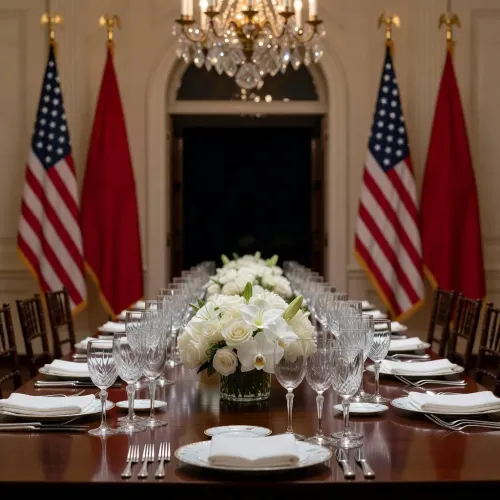
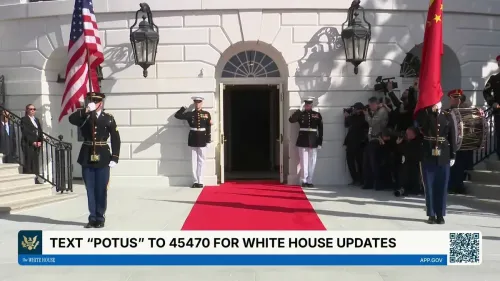
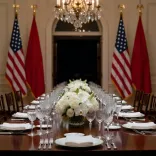
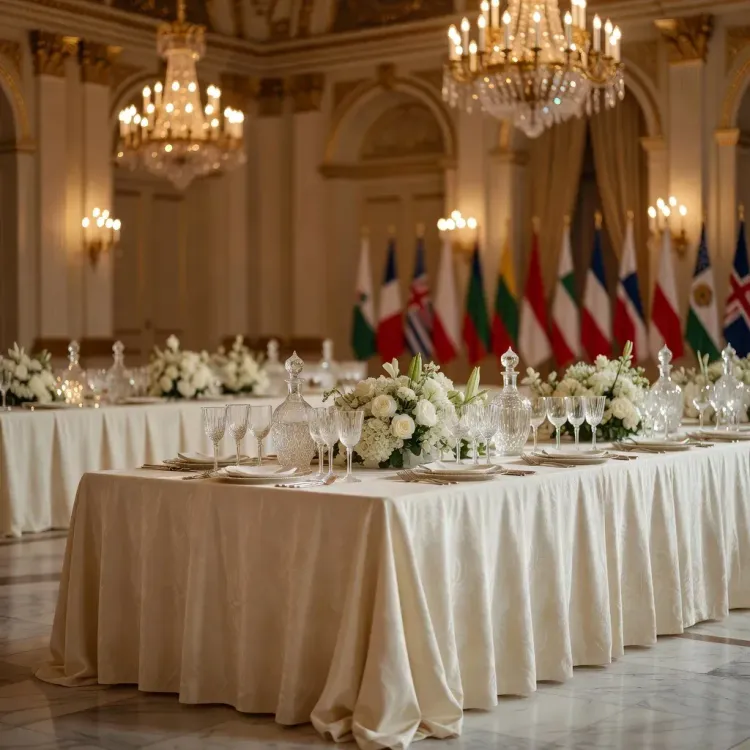
A White House State Dinner, by contrast, carries the full weight of official protocol — flags, formal attire, toasts, and the implicit message that both governments have chosen engagement over confrontation, at least for this moment.
Why the world is watching the follow-up
The dinner itself is the opening frame. What diplomats, markets, and governments across Asia and beyond will scrutinise closely is what follows — any joint statement, agreed framework, or bilateral working group announcements that emerge from the broader state visit. US-China leader meetings have historically moved currency markets, shaped regional security calculations, and recalibrated the expectations of dozens of third-country governments simultaneously.
The formal pageantry of a State Dinner in Washington sets the stage — but the communiqués issued in its aftermath will tell the world how much ground, if any, was actually crossed.
Point of View
For this moment, in the register of managed partnership rather than open rivalry. For Trump, hosting Xi with full ceremonial protocol echoes his 2017 Mar-a-Lago playbook of personal leader-to-leader engagement as a primary foreign-policy tool. The broader arc here is significant: leader-level personal diplomacy has historically served as the primary circuit-breaker in US-China tensions, from trade disputes to technology controls. Whether this dinner produces durable deliverables or serves primarily as atmospherics will define how consequential this state visit ultimately becomes.
NationPress
25 Sept 2026
Frequently Asked Questions
Why did Trump host Xi Jinping for a State Dinner at the White House?
A State Dinner is the highest form of diplomatic hospitality the US can extend to a foreign leader, signalling that Washington views the relationship as a priority. The White House confirmed President Trump and First Lady Melania greeted President Xi Jinping and Madame Peng Liyuan for the formal dinner on September 24, 2026.
Who is Peng Liyuan and why does she accompany Xi Jinping on state visits?
Peng Liyuan is the spouse of Chinese President Xi Jinping and one of the most publicly recognised first ladies in Chinese political history, having been a celebrated folk singer before her marriage. She regularly accompanies Xi on high-profile international visits as a key part of China's diplomatic presentation.
Have Trump and Xi met before at a high-level summit?
Yes. In April 2017, President Trump hosted President Xi Jinping at his Mar-a-Lago estate in Florida during Xi's first visit to the United States as president, a meeting that set the tone for the personal dimension of their bilateral relationship.
What usually follows a US-China State Dinner?
State visits typically include formal bilateral meetings, and observers watch closely for joint statements, agreed frameworks, or working-group announcements that follow the ceremonial dinner. These outcomes determine whether the visit produces substantive diplomatic progress.
What is the significance of holding the dinner at the White House rather than an informal venue?
A White House State Dinner carries full official protocol — flags, formal attire, toasts, and structured ceremony — as opposed to informal summits at private residences. It signals a higher degree of institutional commitment from the US side and is read carefully by governments and markets worldwide.