Trump and Xi Deliver Remarks at US-China State Dinner
Synopsis
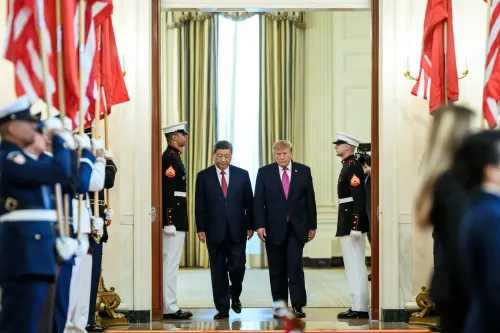
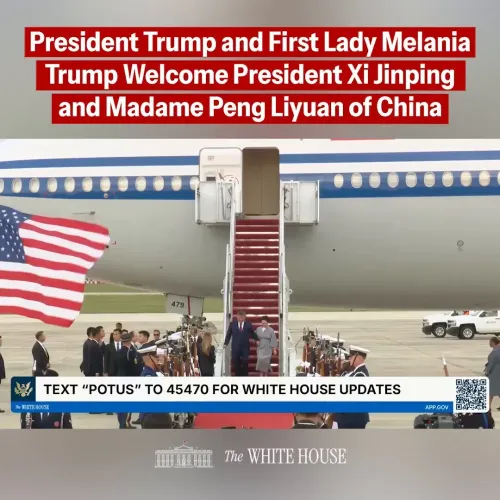
President Trump and Chinese President Xi Jinping delivered joint remarks at a formal State Dinner on September 24, 2026, marking one of the year's most consequential US-China diplomatic engagements amid ongoing trade and technology tensions between the world's two largest economies.
Key Takeaways
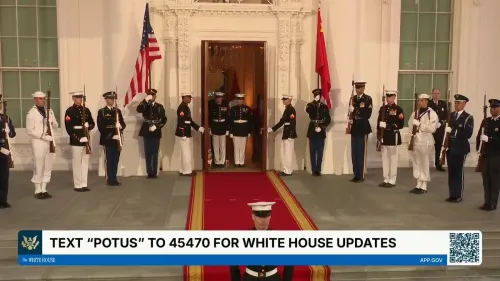
President Donald Trump and Chinese President Xi Jinping delivered joint remarks at a formal State Dinner on Thursday, September 24, 2026 .
The White House confirmed the event, making it one of the highest-profile US-China bilateral engagements of the year.
The last comparable Trump-Xi summit-level meeting occurred at Mar-a-Lago in 2017 , which preceded years of trade negotiations and tariff actions.
Xi Jinping has led China as General Secretary and President since 2013 ; China is the world's second-largest economy .
Analysts will watch for any follow-up communiqués or bilateral sideline meetings at upcoming APEC or G20 forums.
State dinners of this nature historically serve as temperature-setters for subsequent technical negotiations on trade, technology, and regional security.
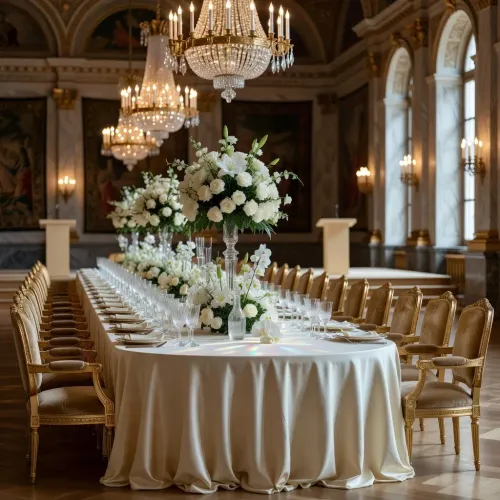
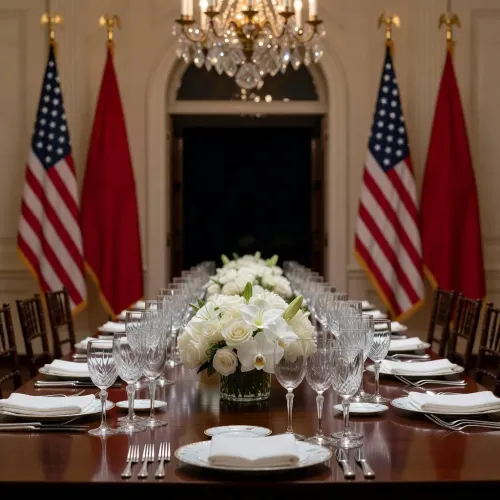
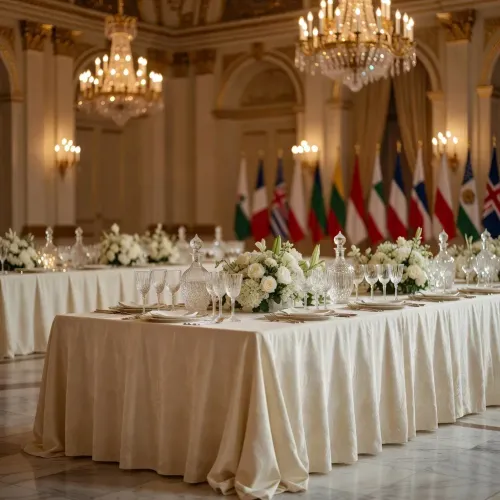
At the highest table in global diplomacy, President Donald Trump and Chinese President Xi Jinping took the floor together Thursday night, delivering remarks at a formal State Dinner that signals a rare, deliberate reset between the world's two largest economies. The White House confirmed the joint appearance on Thursday, September 24, 2026, marking one of the most watched bilateral engagements of the year.
A State Dinner as Strategic Signal
State dinners between American and Chinese leaders are never just ceremonial — every toast carries weight. The last time Trump and Xi shared a high-profile setting of this nature was the Mar-a-Lago summit of 2017, a meeting that opened the door to years of grinding trade negotiations, tariff volleys, and ultimately the Phase One trade deal. That the two leaders are now delivering remarks side by side at a formal state dinner suggests both capitals have calculated that direct, leader-level engagement is, once again, the preferred channel for managing the relationship.
Xi Jinping, who has led the People's Republic of China as General Secretary and President since 2013, has consistently used summit diplomacy to project stability even amid structural competition. For Trump, reviving the personal-diplomat playbook that defined his first term reflects a familiar instinct: that a handshake in the right room can move faster than any bureaucratic process.
The Economic Stakes on the Table
The backdrop to any US-China leader meeting is impossible to ignore. China remains the world's second-largest economy and the United States' single most consequential economic counterpart — a relationship defined equally by interdependence and friction across trade, technology supply chains, and regional influence in the Indo-Pacific. US businesses, Chinese officials, and trade negotiators across both capitals will be parsing every word of Thursday's remarks for signals on tariffs, market access, and technology restrictions.
The broader pattern of US-China summitry shows that these moments rarely produce sweeping deals on the spot — but they set the temperature for what follows at forums like APEC and the G20, where technical negotiations gain or lose momentum based on the signal leaders send at the top.
What Comes After the Dinner
The immediate question is whether Thursday's joint remarks produce a formal communiqué or a framework for follow-on talks. Observers will watch closely for any scheduled bilateral sideline meetings at upcoming multilateral summits, which could indicate whether the goodwill generated at the dinner translates into concrete negotiating tracks on trade, technology, or regional security.
A State Dinner between Trump and Xi is not background noise — it is, by design, the loudest room on earth for one evening. What both leaders chose to say, and what they did not, will be studied long after the tables are cleared.
Point of View
Watching from the sidelines, any thaw in US-China trade tensions carries direct implications for global supply-chain realignments and the strategic calculus underpinning the Quad. The real test is whether Thursday's optics convert into negotiating architecture at APEC or G20.
NationPress
25 Sept 2026
Frequently Asked Questions
What happened at the Trump-Xi State Dinner on September 24 2026?
President Donald Trump and Chinese President Xi Jinping jointly delivered remarks at a formal White House State Dinner on September 24, 2026, in one of the year's most high-profile US-China diplomatic engagements.
When was the last time Trump and Xi held a major bilateral meeting?
The most notable prior Trump-Xi bilateral meeting took place at the Mar-a-Lago summit in 2017, which focused on trade imbalances and North Korea and preceded the US-China trade war and Phase One deal.
What is the significance of a US-China State Dinner?
State dinners between US and Chinese leaders serve as high-level signals of diplomatic intent, historically setting the tone for subsequent technical negotiations on trade, technology restrictions, and regional security issues.
How long has Xi Jinping been China's president?
Xi Jinping has served as President of China and General Secretary of the Communist Party since 2013, making him the central figure in US-China diplomacy over the past decade.
What will analysts watch for after the Trump-Xi dinner?
Analysts will focus on any joint communiqué, formal statement, or scheduled bilateral sideline meetings at upcoming multilateral forums such as APEC or the G20, which would indicate whether summit goodwill translates into concrete policy tracks.