Sitharaman Meets FriendsLearn CEO, CMU Digital Vaccine Partner
Synopsis
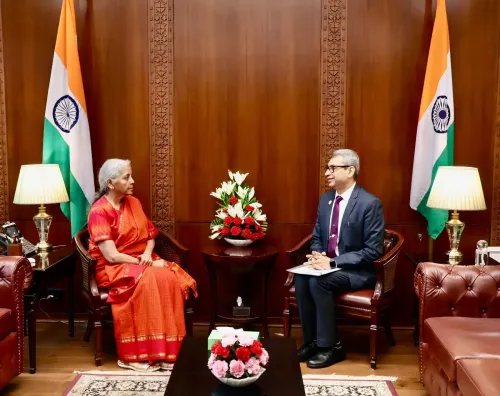
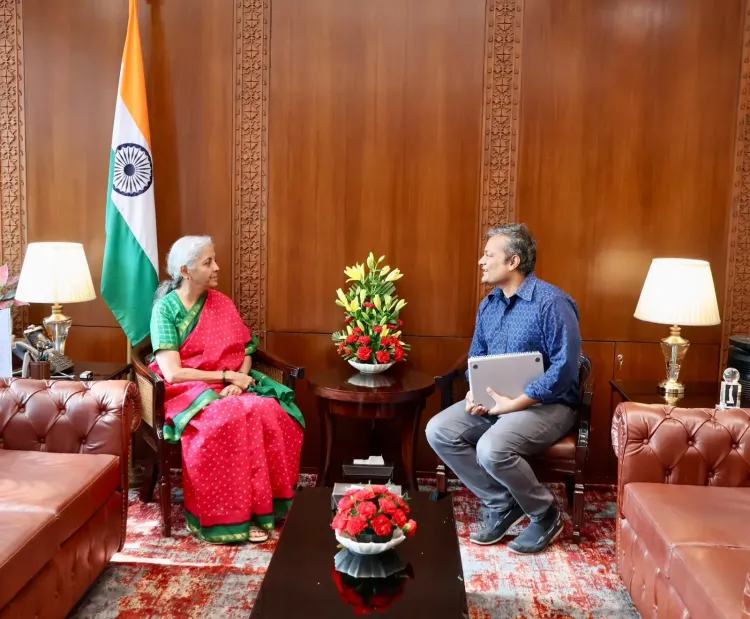
Union Finance Minister Nirmala Sitharaman met Bhargav Sri Prakash, CEO of edtech firm FriendsLearn and partner in Carnegie Mellon University's Digital Vaccine Project, in a call-on meeting on 10 July 2026, reflecting India's ongoing engagement with digital health and education technology innovators.
Key Takeaways
Nirmala Sitharaman received Bhargav Sri Prakash in a call-on meeting on 10 July 2026 .
Bhargav Sri Prakash is Founder and CEO of FriendsLearn , an edtech company with health education applications.
He also serves as a Partner in the Digital Vaccine Project at Carnegie Mellon University , a leading US research institution.
The meeting aligns with India's broader push under Digital India , Startup India and NEP 2020 to integrate technology in public service delivery.
Specific outcomes of the meeting have not been disclosed publicly.
Policy watchers will monitor future ministry statements and budget documents for any follow-up on digital health or edtech initiatives linked to CMU research.
Union Finance Minister Nirmala Sitharaman received Bhargav Sri Prakash, Founder and CEO of edtech venture FriendsLearn and Partner in the Digital Vaccine Project at Carnegie Mellon University, in a call-on meeting on Friday, 10 July 2026.
Context
The meeting brought together a senior Union minister overseeing economic and corporate policy with a technology entrepreneur working at the intersection of digital learning and public health education. Bhargav Sri Prakash leads FriendsLearn, an edtech company that has developed digital learning platforms with applications in health education, and holds a partnership role in the Digital Vaccine Project — a research initiative housed at Carnegie Mellon University (CMU), one of the world's foremost institutions in computer science and artificial intelligence.
Such call-on meetings are a standard mechanism through which Indian ministers engage founders, researchers and innovators to explore technology applications in public service delivery, regulation and national digital programmes.
Policy Backdrop
The meeting sits within a broader government push to align private and academic technology efforts with national digital priorities. India's Digital India programme, launched in 2015, expanded digital infrastructure and e-governance across sectors, while the Startup India initiative announced in 2016 created tax benefits, funding pathways and regulatory easing for innovative ventures.
The National Education Policy (NEP) 2020 further mandated the integration of technology in learning and promoted digital tools across educational institutions. Edtech and health-tech startups have increasingly positioned their platforms as delivery vehicles for these policy goals, making engagements with the Finance Ministry relevant for both regulatory clarity and potential public funding discussions.
Carnegie Mellon University has maintained longstanding research collaborations with Indian institutions and government bodies, particularly in AI, robotics and digital health — areas that intersect directly with the Digital Vaccine Project's focus.
Stakeholders and Impact
The edtech and digital health sectors in India have grown significantly under successive government programmes, with startups seeking both regulatory frameworks and integration pathways with national platforms such as the National Health Mission and DIKSHA, the government's digital education infrastructure.
For innovators like FriendsLearn, a direct engagement with the Union Finance Minister signals an opportunity to present use cases for digital behavioural health tools and academic-backed research projects to policymakers who control budget allocations and regulatory architecture. The Digital Vaccine Project at CMU — which applies digital interventions to counter health misinformation and promote preventive health behaviour — aligns with India's ongoing investment in public health communication infrastructure.
What's Next
The specific agenda and outcomes of the call-on have not been detailed publicly. Observers tracking digital health and edtech policy will watch for any references to the Digital Vaccine Project or related initiatives in forthcoming ministry statements, budget documents, or announcements tied to India's digital public infrastructure stack.
As India deepens its academic and private-sector technology partnerships, meetings of this nature often feed into working groups, pilot project approvals, or regulatory consultations — making this interaction a potential early signal of policy interest in CMU-linked digital health research.
Point of View
It fits a well-established pattern where Finance Ministry engagements with edtech and health-tech founders precede regulatory or budgetary moves. The Digital Vaccine Project's focus on countering health misinformation is particularly timely given India's scale of digital health communication challenges.
NationPress
10 Jul 2026
Frequently Asked Questions
Who is Bhargav Sri Prakash and why did he meet Nirmala Sitharaman?
Bhargav Sri Prakash is the Founder and CEO of FriendsLearn, an edtech company, and a partner in the Digital Vaccine Project at Carnegie Mellon University. He called on Union Finance Minister Nirmala Sitharaman on 10 July 2026, in a meeting that reflects the government's engagement with digital health and education technology innovators.
What is the Digital Vaccine Project at Carnegie Mellon University?
The Digital Vaccine Project is a research initiative at Carnegie Mellon University focused on applying digital interventions to promote preventive health behaviour and counter health misinformation. Bhargav Sri Prakash serves as a partner in this project.
What is FriendsLearn?
FriendsLearn is an edtech venture founded and led by Bhargav Sri Prakash that develops digital learning platforms, including applications in health education.
What government schemes are relevant to this meeting?
India's Digital India programme (2015), Startup India initiative (2016) and the National Education Policy 2020 all support the integration of technology in public service delivery and education — the policy areas most relevant to FriendsLearn and the Digital Vaccine Project.
What are the outcomes of Sitharaman's meeting with Bhargav Sri Prakash?
The specific agenda and outcomes of the call-on have not been publicly disclosed. Observers will watch for any follow-up in ministry statements or budget documents related to digital health and edtech initiatives.