CM Rekha Gupta Hails PM Modi's Historic New Zealand Visit
Synopsis
Delhi Chief Minister Rekha Gupta has praised PM Narendra Modi's visit to New Zealand as a historic milestone after nearly four decades, saying it will deepen cooperation in trade, innovation, education and people-to-people ties and open a new chapter in bilateral relations.
Key Takeaways
Delhi CM Rekha Gupta hailed PM Modi 's New Zealand trip on 10 July 2026 as a defining bilateral moment.
The visit marks the first prime ministerial-level engagement between India and New Zealand in nearly four decades .
India and New Zealand established diplomatic ties in 1950 ; CECA negotiations began in 2010 but have remained stalled.
Key cooperation areas flagged: trade, innovation, education and people-to-people ties.
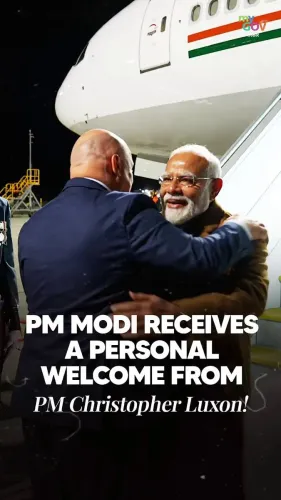
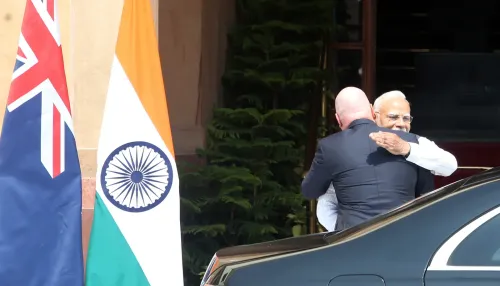
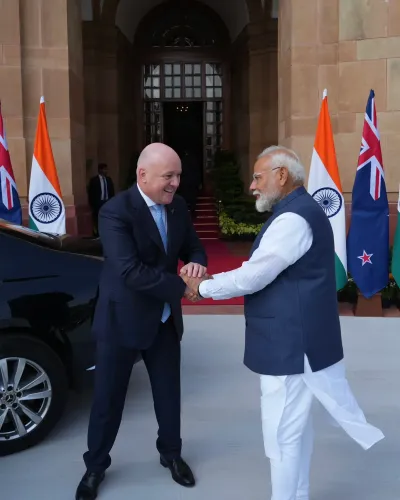
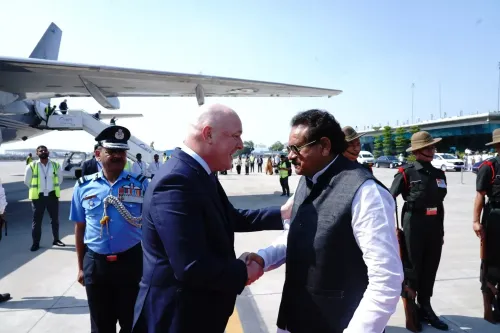
New Zealand PM Christopher Luxon extended the formal welcome to Modi during the visit.
Diplomatic attention is now on whether joint statements or CECA resumption announcements will follow.
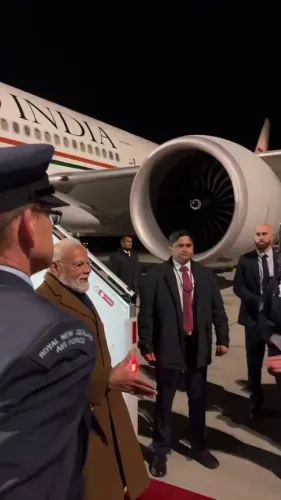
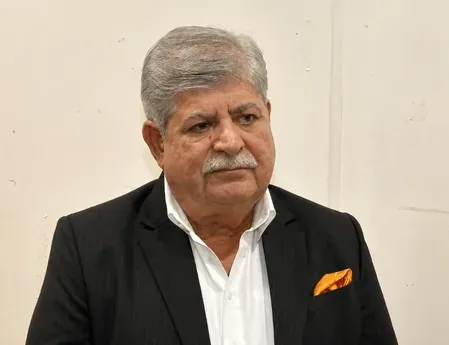
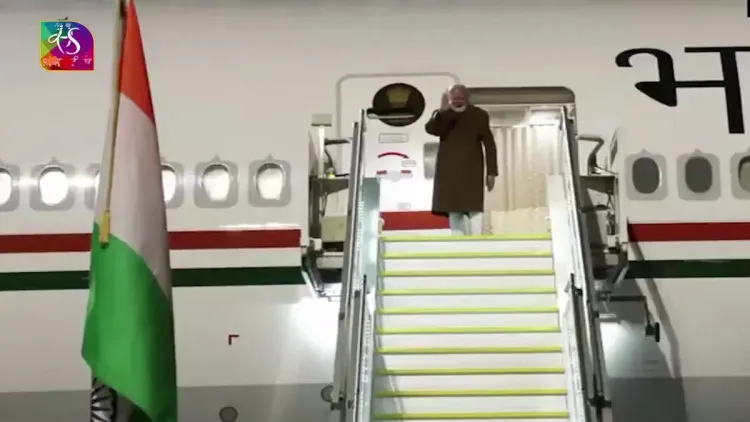
Delhi Chief Minister Rekha Gupta on Friday, 10 July 2026, welcomed Prime Minister Narendra Modi's visit to New Zealand, calling it a defining moment in bilateral ties after nearly four decades without a prime ministerial-level engagement between the two nations.
Context
Gupta posted on X that Modi 'has scripted a defining moment in India-New Zealand relations,' noting that the warm reception extended by New Zealand Prime Minister Christopher Luxon 'reflects India's growing global stature.' The visit, she said, would 'open a new chapter in the bilateral relationship.'
India and New Zealand established diplomatic relations in 1950, but high-level prime ministerial visits have been rare. The last comparable engagement at that level is widely understood to have taken place roughly four decades ago, making the current trip a significant diplomatic milestone.
Policy Backdrop
Bilateral trade and economic cooperation between the two countries has long been viewed as underperforming relative to their potential. Negotiations on a Comprehensive Economic Cooperation Agreement (CECA) were launched in 2010 but stalled for over a decade without a concluded deal.
Under Modi's tenure since 2014, India has pursued an active multi-alignment foreign policy, deepening ties with mid-sized Indo-Pacific partners to diversify its economic and strategic options. New Zealand, led by Luxon since late 2023, has similarly sought to broaden its trade relationships beyond traditional partners, making this a mutually opportune moment for a reset.
Stakeholders and Impact
The areas Gupta highlighted — trade, innovation, education, and people-to-people ties — map directly onto constituencies with a tangible stake in the visit's outcomes. A large and well-established Indian diaspora in New Zealand serves as a natural bridge for people-to-people engagement, while business communities on both sides have long called for renewed momentum on the stalled CECA talks.
Education is another significant pillar: Indian students form one of the larger international student cohorts in New Zealand, and any formal framework emerging from the visit could expand scholarships, institutional partnerships, and mutual degree recognition. Innovation and technology sectors in both countries are also watching for signals of structured cooperation.
What's Next
Diplomatic observers will closely track whether the visit produces joint statements, memoranda of understanding, or a formal announcement on resuming CECA negotiations. Any concrete deliverables on education exchanges or innovation partnerships would mark a shift from symbolism to substance in a relationship that has seen limited high-level attention for decades.
For the BJP, the visit also carries domestic resonance: prime ministerial diplomacy at this scale reinforces the party's narrative of India's elevated standing on the world stage, a message that leaders like Gupta are amplifying at the state level ahead of future electoral cycles.
Point of View
Casting the visit as a historic correction rather than routine diplomacy. The emphasis on trade, education and innovation is also notable: it signals that New Delhi wants this engagement to produce economic deliverables, not just ceremonial optics. Whether the visit translates into a revived CECA or concrete education frameworks will determine whether this moment is remembered as a genuine inflection point or a well-managed photo opportunity.
NationPress
10 Jul 2026
Frequently Asked Questions
Why is PM Modi's New Zealand visit historically significant?
It is the first prime ministerial visit from India to New Zealand in nearly four decades, making it a rare and symbolically significant diplomatic engagement between the two countries.
What is the India-New Zealand CECA?
The Comprehensive Economic Cooperation Agreement (CECA) is a proposed free-trade-style deal between India and New Zealand. Negotiations began in 2010 but have been stalled for over a decade without a concluded agreement.
Who is New Zealand Prime Minister Christopher Luxon?
Christopher Luxon has served as New Zealand's Prime Minister since late 2023. His government has prioritised trade liberalisation and stronger economic ties with Asian partners, including India.
What did Delhi CM Rekha Gupta say about PM Modi's New Zealand visit?
Gupta said Modi 'has scripted a defining moment in India-New Zealand relations' and that the visit will deepen cooperation in trade, innovation, education and people-to-people ties, opening a new chapter in the bilateral relationship.
What areas of cooperation are expected from the India-New Zealand visit?
The key areas flagged are trade, innovation, education and people-to-people ties. Analysts are watching for any joint statements or memoranda on resuming CECA talks or formalising education and technology partnerships.