PM Modi Welcomes India-New Zealand FTA as Partnership Milestone
Synopsis
Prime Minister Narendra Modi on June 11, 2026, hailed the India-New Zealand Free Trade Agreement as a key bilateral milestone in a direct reply to New Zealand PM Chris Luxon on X, pledging to deepen the partnership further.
Key Takeaways
PM Modi publicly welcomed the India-New Zealand FTA in a post on X on June 11, 2026 .
The FTA was first proposed in 2010 but stalled for over a decade before the current breakthrough.
The agreement is expected to reduce tariffs on goods, services, and investment flows between the two countries.
India has concluded multiple bilateral FTAs since 2022 , including with Australia and the UAE , as part of a trade-diversification push.
Parliamentary ratification and publication of final tariff schedules remain key steps before the deal enters into force.
The dairy sector in New Zealand and Indian exporters are among the primary stakeholders watching the agreement closely.
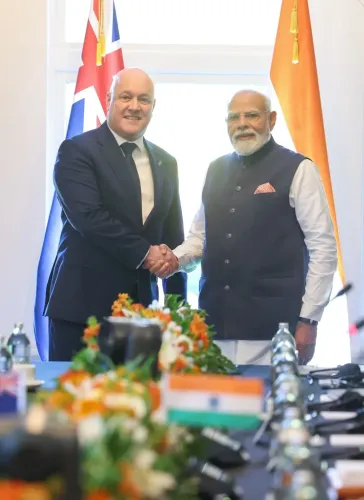
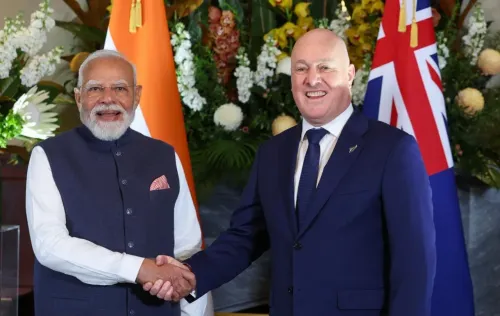
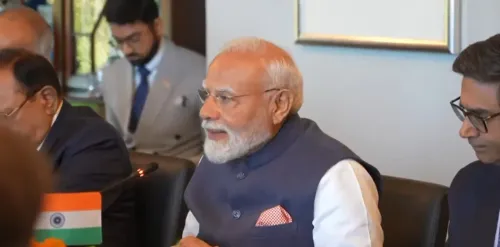
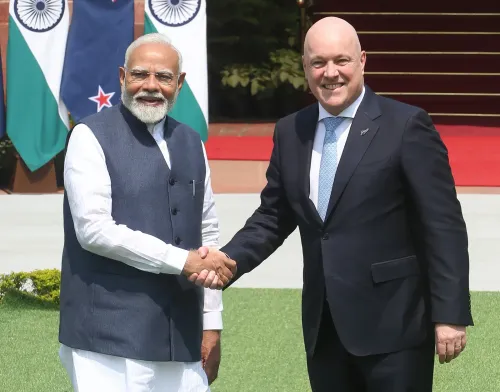
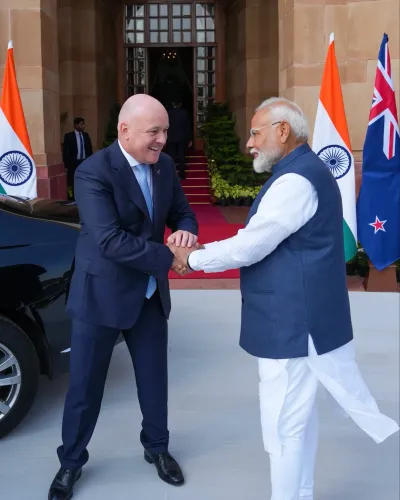
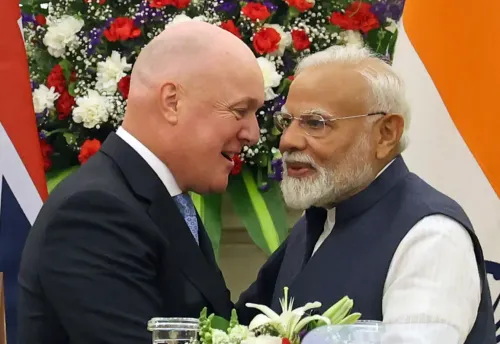
Prime Minister Narendra Modi on Thursday, June 11, 2026, responded to New Zealand Prime Minister Chris Luxon's congratulatory message, calling the India-New Zealand Free Trade Agreement 'an important step forward' in the bilateral partnership and expressing intent to deepen ties further.
Context
Modi's post came in direct reply to Prime Minister Chris Luxon, tagging him as @chrisluxonmp on X. The exchange signals a warm diplomatic moment following what both sides appear to have marked as a landmark trade milestone. Modi wrote: 'The India-New Zealand FTA marks an important step forward in our partnership. I look forward to building on this momentum and taking our partnership to new heights.'
Chris Luxon has led New Zealand as Prime Minister since late 2023, heading the National Party government. His outreach to Modi reflects the priority Wellington is placing on deepening economic engagement with India under the new agreement.
Policy Backdrop
Formal negotiations for an India-New Zealand FTA were first launched in 2010 but remained stalled for over a decade, making the current agreement a significant diplomatic achievement. The deal is expected to lower tariffs on goods, services, and investment flows between the two countries.
India has sharply accelerated its bilateral FTA agenda since 2022, concluding agreements with Australia and the UAE as part of a broader trade-diversification strategy. The New Zealand agreement fits this pattern of targeted market-opening with developed Indo-Pacific partners, reinforcing New Delhi's pivot toward integrating with economies across the region.
Stakeholders and Impact
Indian exporters across sectors stand to benefit from improved market access in New Zealand, while the deal's services provisions could open new opportunities for Indian professionals and technology firms. On the other side, New Zealand's dairy sector — one of the country's most significant export industries — will be closely watching the final tariff schedules, given India's historically protective stance on agricultural imports.
The agreement also carries strategic weight beyond commerce. Closer economic ties between India and New Zealand reinforce the two nations' alignment as Indo-Pacific democracies, a framing that has gained traction in regional diplomacy in recent years.
What's Next
Parliamentary ratification processes in both countries will be a key procedural milestone before the agreement can enter into force. Publication of the final tariff schedules will determine the precise scope of market access granted on both sides and will be scrutinised closely by industry groups in India and New Zealand.
Modi's language — 'building on this momentum' and taking the partnership 'to new heights' — suggests New Delhi views the FTA as a foundation for a broader strategic and economic relationship with Wellington, with further diplomatic engagement likely in the months ahead.
Point of View
Reducing dependence on multilateral processes that have repeatedly stalled. The exchange with Luxon also carries a soft-power dimension: framing the deal as a 'partnership' milestone rather than a purely transactional agreement signals New Delhi's interest in a broader strategic relationship with Wellington. For Modi, each concluded FTA strengthens the domestic narrative of an outward-looking, economically assertive India. The harder test will come at ratification, where New Zealand's politically sensitive dairy lobby and India's agricultural protectionism could complicate the final tariff schedules.
NationPress
26 Oct 2026
Frequently Asked Questions
What is the India-New Zealand Free Trade Agreement?
The India-New Zealand Free Trade Agreement is a bilateral deal aimed at lowering tariffs on goods, services, and investment between the two countries. Negotiations were first launched in 2010 but stalled for over a decade before the current agreement was reached.
When did PM Modi comment on the India-New Zealand FTA?
PM Modi posted his response on X on Thursday, June 11, 2026, replying directly to New Zealand Prime Minister Chris Luxon's congratulatory message.
How does the India-New Zealand FTA fit India's broader trade policy?
India has accelerated bilateral FTA negotiations since 2022, concluding deals with Australia and the UAE as part of a trade-diversification strategy focused on Indo-Pacific economies. The New Zealand agreement follows the same pattern.
What happens next after the India-New Zealand FTA announcement?
Both countries must complete parliamentary ratification processes and publish final tariff schedules before the agreement can officially enter into force.