Modi's first New Zealand visit set for July 10-11 amid landmark FTA
Synopsis
For the first time in history, an Indian Prime Minister is heading to New Zealand — and the timing is deliberate. Modi's July 10-11 Auckland visit comes just months after the two countries signed an FTA eliminating tariffs on 95 per cent of New Zealand goods, turning a warm diplomatic relationship into a concrete economic partnership with a 1.4-billion-person market at stake.
Key Takeaways
PM Narendra Modi will make his first official visit to New Zealand on 10-11 July , arriving in Auckland .
New Zealand PM Christopher Luxon announced the visit on 3 July via a post on X .
The visit follows the India-New Zealand FTA signed in April 2025 , which eliminates tariffs on 95% of New Zealand goods exports.
India gains duty-free imports of wooden logs , coking coal , and waste and scrap metals under the pact.
Luxon had visited India from 16-20 March 2025 , launching FTA negotiations and signing deals in defence , horticulture , and forestry .
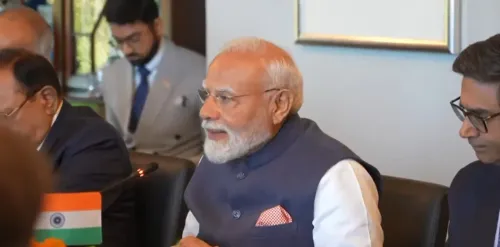
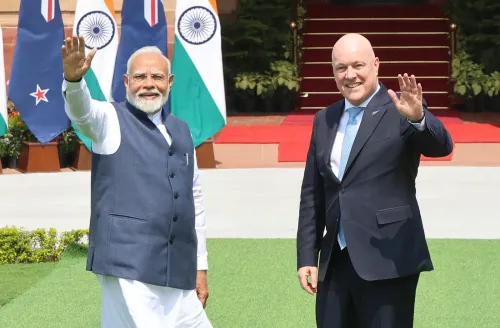
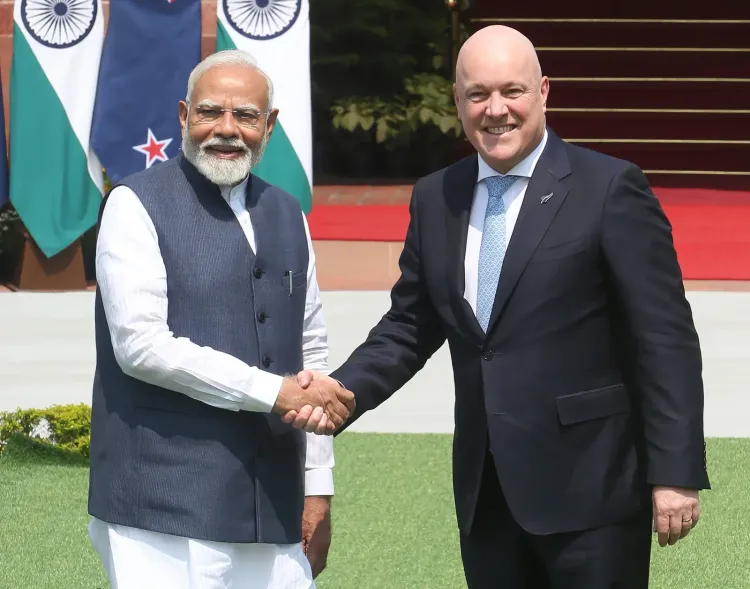
Prime Minister Narendra Modi is set to make his first official visit to New Zealand on 10-11 July, New Zealand Prime Minister Christopher Luxon announced on Friday, 3 July. Modi is scheduled to arrive in Auckland on 10 July and depart the following day, just over two months after the two countries signed a landmark Free Trade Agreement (FTA) in April.
Luxon's Announcement
Luxon confirmed the visit in a post on X, describing India as 'one of the world's largest and fastest-growing economies, and a country of enormous importance to New Zealand's economic prosperity.' The New Zealand Prime Minister framed the visit as a natural next step following the signing of the bilateral FTA, which he said would 'deliver more jobs, higher exports and stronger economic growth for New Zealand.'
What the Free Trade Agreement Delivers
The New Zealand-India FTA, signed in April 2025, is a centrepiece of the visit's context. The agreement eliminates tariffs on 95 per cent of goods exported from New Zealand, opening greater market access for Kiwi exporters into a market of 1.4 billion people. For India, the pact secures duty-free imports of key manufacturing inputs — including wooden logs, coking coal, and waste and scrap metals — expected to reduce production costs and strengthen supply chains.
Beyond goods trade, the FTA includes an agricultural cooperation component: a dedicated agrotechnology plan to support Indian farmers with expertise and inputs for kiwi fruit, apple, and honey production.
Background: How the Relationship Got Here
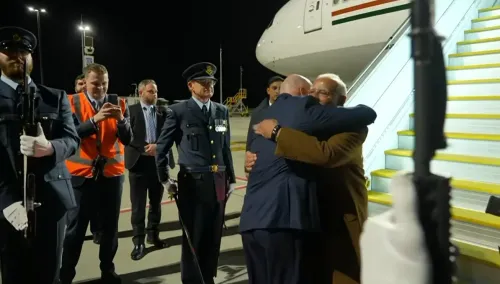
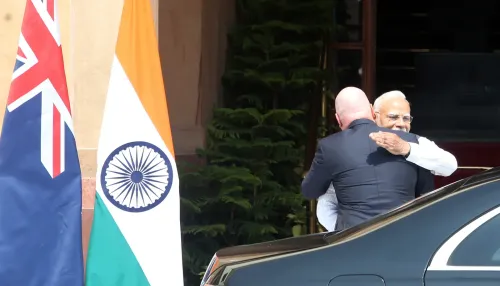
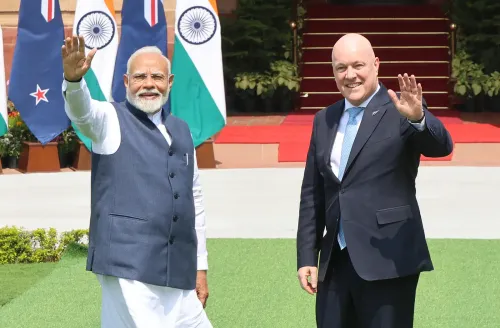
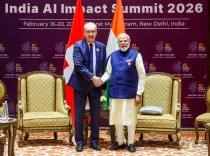
The groundwork for the FTA was laid during Luxon's official visit to India from 16 to 20 March 2025, when he met Modi and formally launched negotiations for a Comprehensive Free Trade Agreement. That trip also produced agreements across defence, horticulture, and forestry. Modi's upcoming visit to Auckland marks the first time an Indian Prime Minister has made an official trip to New Zealand, underscoring how significantly bilateral ties have accelerated.
Broader Strategic Context
India and New Zealand share a partnership grounded in shared democratic values, Commonwealth ties, and a common vision for stability in the Indo-Pacific region. The FTA and Modi's visit signal a deliberate effort by both governments to move beyond diplomatic warmth toward concrete economic integration. Notably, the agreement's scope — spanning goods, services, agriculture, and manufacturing inputs — positions it as one of the more comprehensive bilateral deals India has concluded in recent years.
What to Watch
Observers will look for further announcements during Modi's 11 July stay in Auckland, particularly on investment facilitation and the operationalisation timeline for the FTA's tariff provisions. The visit is expected to set the agenda for the next phase of India-New Zealand economic engagement.
Point of View
Which has historically been cautious on trade liberalisation. The 95-per-cent tariff elimination is significant, but the real test is whether the agrotechnology and manufacturing-input provisions translate into ground-level outcomes for Indian farmers and factories. New Zealand's interest is transparent: access to 1.4 billion consumers. India's strategic calculus in the Indo-Pacific — building reliable, democratic trade partners — is equally clear. What mainstream coverage underplays is that this FTA sets a template: if it delivers, it strengthens the case for faster conclusion of India's other pending bilateral deals.
NationPress
1 Oct 2026
Frequently Asked Questions
When is PM Modi visiting New Zealand?
PM Narendra Modi is scheduled to arrive in Auckland on 10 July and depart on 11 July 2025, making it his first official visit to New Zealand as Prime Minister.
Why is Modi visiting New Zealand?
The visit comes in the wake of the India-New Zealand Free Trade Agreement signed in April 2025, and is aimed at deepening bilateral economic and strategic ties. New Zealand PM Christopher Luxon announced the trip, describing it as taking the two countries' partnership 'to the next level.'
What does the India-New Zealand FTA include?
The FTA eliminates tariffs on 95 per cent of goods exported from New Zealand and grants India duty-free imports of wooden logs, coking coal, and waste and scrap metals. It also includes an agrotechnology cooperation plan for kiwi fruit, apple, and honey production in India.
Has an Indian Prime Minister visited New Zealand before?
This will be the first official visit by an Indian Prime Minister to New Zealand, marking a historic milestone in bilateral relations between the two countries.
What was the outcome of NZ PM Luxon's India visit in March 2025?
Luxon visited India from 16 to 20 March 2025, meeting PM Modi and launching negotiations for the Comprehensive Free Trade Agreement. The trip also produced bilateral agreements in defence, horticulture, and forestry.