PM Modi set for first-ever New Zealand visit, possibly in July
Synopsis
PM Modi's expected July visit to New Zealand would be the first by an Indian Prime Minister to the country — and it comes just weeks after India and New Zealand sealed a landmark FTA eliminating tariffs on 100 per cent of Indian exports. With both governments signalling a confirmation 'very soon,' the visit could mark the most consequential moment in 73 years of India-New Zealand ties.
Key Takeaways
PM Narendra Modi is expected to visit New Zealand in July , which would be his first-ever trip to the country.
New Zealand Deputy PM David Seymour indicated a formal confirmation could come 'very soon.' Last month, India and New Zealand signed a historic FTA removing tariffs on 100% of India's exports and reducing or eliminating tariffs on 95% of New Zealand's imports.
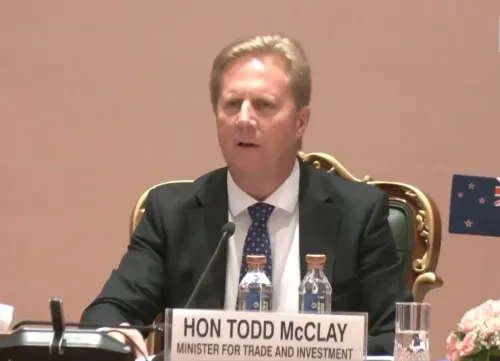
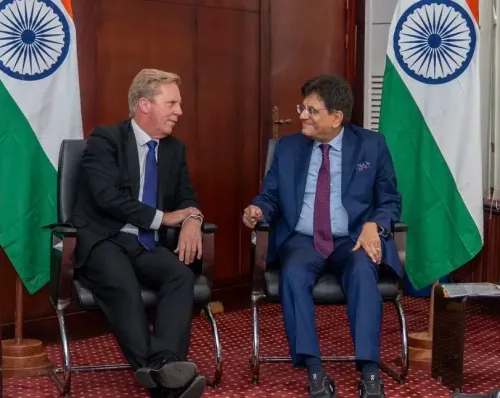
The FTA was signed by Piyush Goyal and New Zealand's Todd McClay in New Delhi .
India-New Zealand diplomatic relations date back to 1952 , with the two nations sharing Commonwealth membership and democratic values.
Prime Minister Narendra Modi is expected to make his first-ever visit to New Zealand, with July being the likely timeframe, according to local media reports. The visit, if confirmed, would mark a historic milestone in India-New Zealand bilateral relations, coming on the heels of a landmark trade agreement signed between the two nations.
What New Zealand's Deputy PM Said
New Zealand's Deputy Prime Minister David Seymour, when asked on the programme First Up whether PM Modi would visit in July, indicated that a confirmation could come 'very soon,' according to reports from Radio New Zealand (RNZ). Earlier this year, both governments had signalled that preparations for the visit were already under way.
The FTA Backdrop
The anticipated visit follows a significant diplomatic achievement: last month, India and New Zealand signed a historic Free Trade Agreement (FTA) in New Delhi. The agreement eliminates tariffs on 100 per cent of India's exports to New Zealand and either sharply reduces or removes tariffs on 95 per cent of New Zealand's imports from India. The deal was sealed in the presence of Union Minister of Commerce and Industry Piyush Goyal and his New Zealand counterpart Todd McClay.
Growing Bilateral Momentum
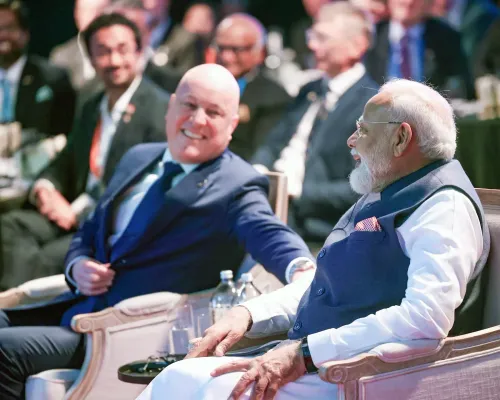
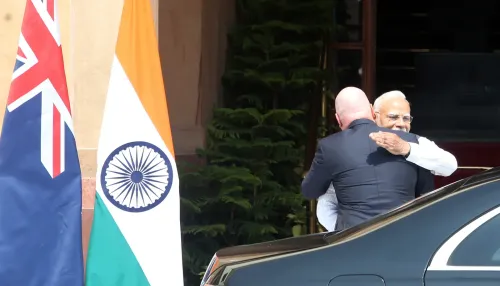
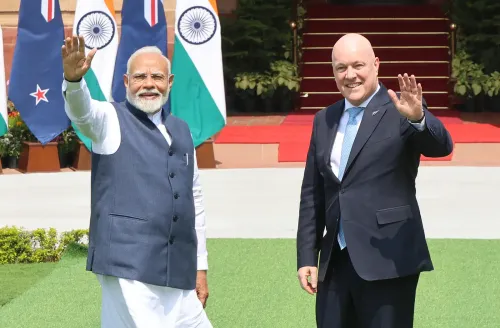
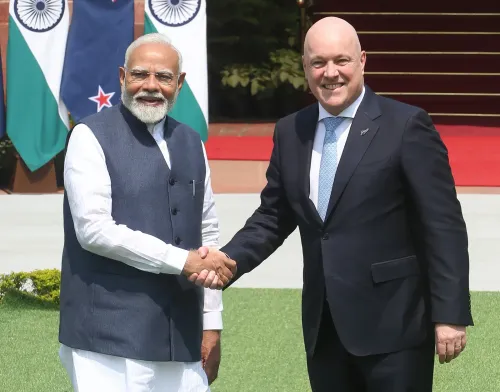
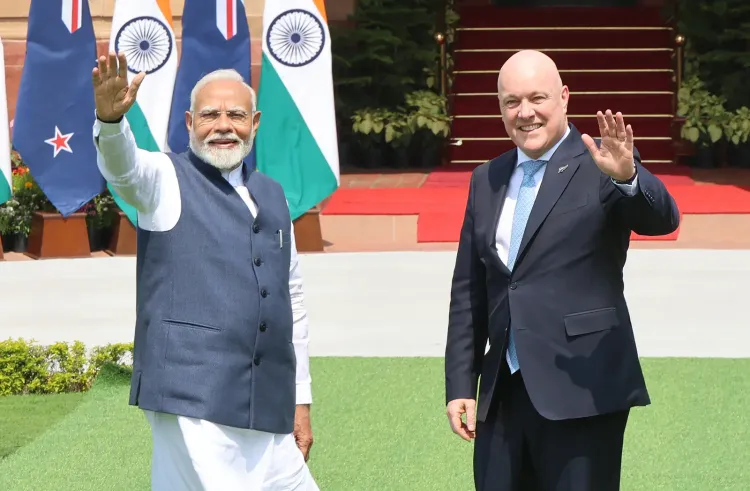
The groundwork for Modi's prospective visit was laid when New Zealand Prime Minister Christopher Luxon travelled to India for a five-day visit last year. Luxon attended the 10th Raisina Dialogue as Chief Guest and held wide-ranging talks with PM Modi covering key sectors of the bilateral relationship. The two leaders also visited the historic Gurudwara Rakab Ganj Sahib in New Delhi, paying their respects to the Sikh community's religious and cultural heritage.
During that visit, PM Modi posted on X: 'It is a matter of immense joy to be welcoming Prime Minister Christopher Luxon to Delhi. It is equally gladdening that such a youthful, dynamic and energetic leader will be the Chief Guest at this year's Raisina Dialogue. We had wide ranging talks earlier today, covering all important sectors relating to India-New Zealand friendship.'
Diplomatic Ties: A Long History
India and New Zealand established formal diplomatic relations in 1952. According to the Ministry of External Affairs (MEA), the two countries share common ground through membership of the Commonwealth, common law traditions, and a mutual commitment to democratic governance and economic development for diverse communities. The relationship has steadily deepened over the decades, with the FTA and a potential Modi visit representing its most substantive phase yet.
Should the July visit materialise, it will be the first by an Indian Prime Minister to New Zealand, adding another chapter to what both governments describe as a warm and growing partnership.
Point of View
If it happens, is more than a diplomatic courtesy call — it is the capstone of a rapidly accelerating bilateral agenda. The FTA, which took years to negotiate, was concluded with unusual speed once political will aligned on both sides. What mainstream coverage underplays is the strategic dimension: as India deepens its Pacific engagement under its Act East and Indo-Pacific frameworks, New Zealand becomes a useful partner in a region where China's influence is growing. The visit would also signal to Wellington that the FTA is not just a trade document but the foundation of a broader strategic relationship — one that both capitals appear keen to formalise before domestic political calendars get crowded.
NationPress
3 Oct 2026
Frequently Asked Questions
Is PM Modi visiting New Zealand in July 2025?
PM Modi is expected to visit New Zealand in July 2025, according to local media reports citing Radio New Zealand. New Zealand Deputy Prime Minister David Seymour indicated a formal confirmation could come 'very soon,' though an official announcement had not been made as of the latest reports.
Why is PM Modi's New Zealand visit significant?
It would be the first-ever visit by an Indian Prime Minister to New Zealand, marking a historic milestone in bilateral ties that stretch back to 1952. The visit follows a landmark Free Trade Agreement signed between the two countries last month.
What is the India-New Zealand Free Trade Agreement?
The FTA, signed last month in New Delhi by Commerce Minister Piyush Goyal and New Zealand's Todd McClay, eliminates tariffs on 100 per cent of India's exports to New Zealand and reduces or removes tariffs on 95 per cent of New Zealand's imports from India. It is described as a historic agreement by both governments.
When did New Zealand PM Christopher Luxon visit India?
New Zealand Prime Minister Christopher Luxon visited India last year for a five-day trip, during which he attended the 10th Raisina Dialogue as Chief Guest and held bilateral talks with PM Modi. The two leaders also visited Gurudwara Rakab Ganj Sahib in New Delhi together.
How long have India and New Zealand maintained diplomatic relations?
India and New Zealand established formal diplomatic relations in 1952. According to the Ministry of External Affairs, the two nations share Commonwealth membership, common law traditions, and a commitment to democratic governance and economic development.