India-New Zealand FTA signed: Simon Watts hails economic benefits, Modi visit
Synopsis
The India-New Zealand FTA, signed during PM Modi's landmark Auckland visit, is more than a trade deal — it is a strategic repositioning. New Zealand Revenue Minister Simon Watts' effusive welcome signals Wellington's intent to lock in a deeper partnership with New Delhi at a time when Indo-Pacific alignments are being actively redrawn.
Key Takeaways
New Zealand Revenue Minister Simon Watts called the India-New Zealand FTA a 'major step forward' in bilateral relations on 10 July .
The agreement is expected to deliver significant economic benefits to both countries and reinforce commitment to a rules-based international order.
Prime Minister Narendra Modi's Auckland visit was described as 'a very significant moment' for New Zealand by Watts.
New Zealand Prime Minister Christopher Luxon hosted Modi, with Watts noting Luxon was 'very humbled' by the visit.
The FTA is also seen as a major development for the Indian diaspora based in New Zealand.
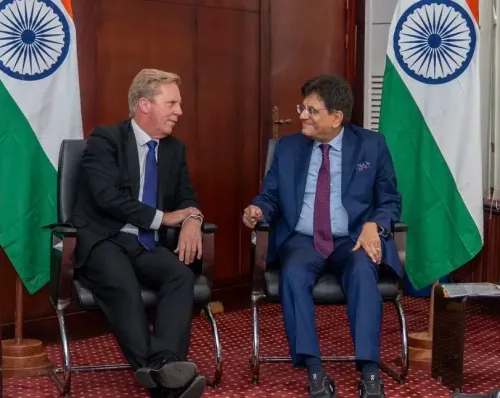
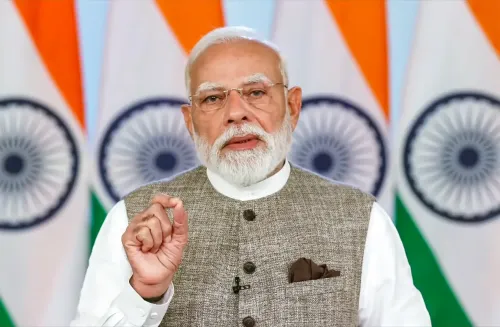
New Zealand Revenue Minister Simon Watts on Friday, 10 July described the signing of the India-New Zealand Free Trade Agreement (FTA) as a landmark development in bilateral relations, saying the deal opens up significant economic opportunities for both countries and reinforces their shared commitment to a rules-based international order. His remarks came during Prime Minister Narendra Modi's visit to Auckland, the first by an Indian prime minister in recent memory.
What the FTA Means for Both Nations
Watts called the agreement 'a major step forward' in the bilateral relationship, projecting that it would deliver substantial economic benefits on both sides. He also noted that the pact aligns with the two countries' shared outlook on multilateralism and a rules-based global order. 'This is a major step forward in regard to our bilateral relations. It opens up significant economic benefits for both countries. It reinforces two countries with very similar outlooks in regard to rule-based order and a multilateral approach,' Watts said.
Beyond trade, the minister highlighted the agreement's significance for the Indian diaspora in New Zealand, calling it 'a big step' for the community's economic and cultural integration.
Modi's Visit: A Strategic Signal
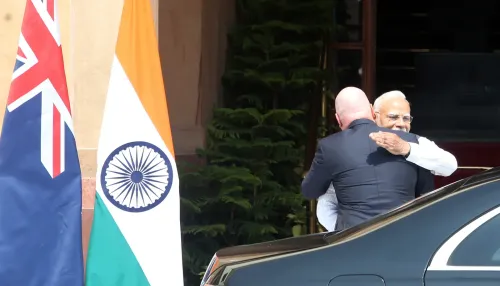
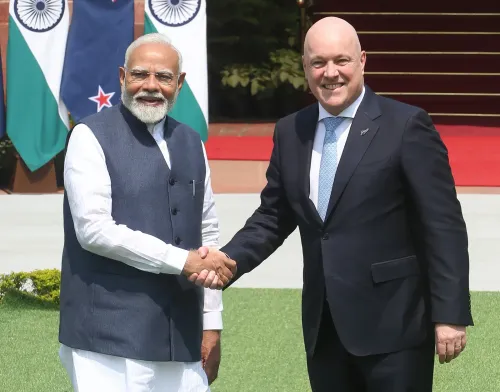
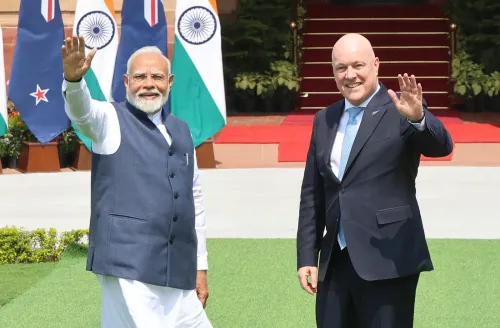
Watts framed Prime Minister Modi's presence in Wellington as a strong signal of the strategic weight both governments now attach to the partnership. He noted that New Zealand Prime Minister Christopher Luxon was 'very humbled' to host Modi, underscoring the diplomatic significance of the visit. 'He's a significant player on the world stage. Our Prime Minister Christopher Luxon is very humbled to be able to host him here in New Zealand. It's a real reinforcement that Prime Minister Modi is in New Zealand. He's signalling that it's a strategic relationship,' Watts said.
This comes amid a broader Indian diplomatic push across the Pacific and Indo-Pacific region, with New Delhi deepening bilateral ties with multiple partners simultaneously. Modi's Auckland visit marks a notable elevation of the India-New Zealand relationship from a largely transactional one to a strategically articulated partnership.
Bilateral Context and Background
India and New Zealand had been negotiating a free trade arrangement for several years, with talks gaining renewed momentum in recent months. The FTA covers goods, services, and investment, though specific tariff schedules and sector-by-sector commitments have not yet been publicly detailed. The agreement is expected to benefit Indian exporters in sectors such as textiles, pharmaceuticals, and IT services, while New Zealand's dairy, meat, and agriculture industries stand to gain improved access to the Indian market.
Notably, India is one of New Zealand's fastest-growing source markets for international students and tourists, and the FTA is expected to provide a formal framework that complements these existing people-to-people links.
What Comes Next
The FTA will require ratification processes in both parliaments before it enters into force. Industry bodies and trade associations in both countries are expected to study the fine print in the coming weeks. The Indian diaspora in New Zealand — one of the country's largest and most economically active migrant communities — is expected to benefit from improved business mobility and investment provisions under the agreement.
Point of View
And locking one in with India, the world's most populous nation and a fast-growing market, is strategically significant for Wellington. Yet the real test will be in the details: past India FTAs have been criticised for shallow tariff liberalisation, particularly in agriculture, where New Zealand's interests are most concentrated. If dairy and meat access remains restricted, the headline moment risks outpacing the economic substance.
NationPress
8 Oct 2026
Frequently Asked Questions
What is the India-New Zealand Free Trade Agreement?
The India-New Zealand Free Trade Agreement (FTA) is a bilateral trade deal signed during Prime Minister Narendra Modi's visit to Auckland on 10 July. It is designed to open significant economic opportunities for both countries across goods, services, and investment, and to reinforce their shared commitment to a rules-based international order.
What did New Zealand Revenue Minister Simon Watts say about the FTA?
Watts called the FTA 'a major step forward' in bilateral relations, saying it opens up significant economic benefits for both nations. He also described Modi's visit as 'a very significant moment' for New Zealand and noted its importance for the Indian diaspora in the country.
Why is PM Modi's New Zealand visit significant?
Modi's Auckland visit marks a notable elevation of the India-New Zealand relationship to a strategically articulated partnership. New Zealand PM Christopher Luxon hosted Modi, with Watts saying the visit signals that India views the bilateral relationship as strategic.
How does the FTA affect the Indian diaspora in New Zealand?
According to Watts, the FTA is 'a big step' for the Indian diaspora based in New Zealand, with improved business mobility and investment provisions expected to benefit the community, which is one of New Zealand's largest and most economically active migrant groups.
When will the India-New Zealand FTA come into force?
The FTA will require ratification by both parliaments before it enters into force. Specific timelines have not yet been announced, and industry bodies in both countries are expected to review the agreement's details in the coming weeks.