India-New Zealand FTA to unlock growth for farmers, MSMEs, youth and startups: Modi
Synopsis
India and New Zealand have sealed a transformative FTA after just 13 months of negotiation, with New Zealand committing $20 billion in investment. The pact targets farmers, MSMEs, startups and students, signalling a shift from peripheral trade ties to a structured economic partnership in agriculture, manufacturing and technology.
Key Takeaways
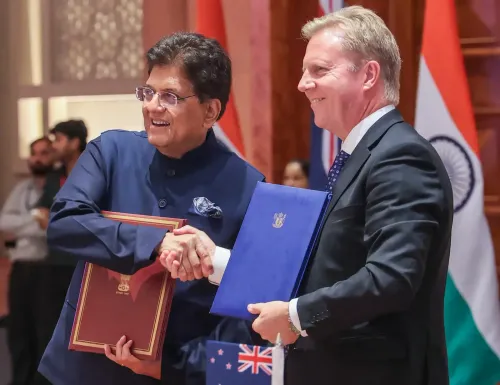
India-New Zealand FTA signed on 27 April , described by PM Modi as a 'landmark moment' in bilateral ties.
New Zealand commits $20 billion investment across agriculture, manufacturing, innovation and technology.
Negotiations completed in just 13 months , following PM Luxon's visit to India.
Agreement targets farmers , MSMEs , startups , students , artisans and women entrepreneurs.
PM Luxon noted India-New Zealand trade relationship has "only begun to scratch the surface of its potential."
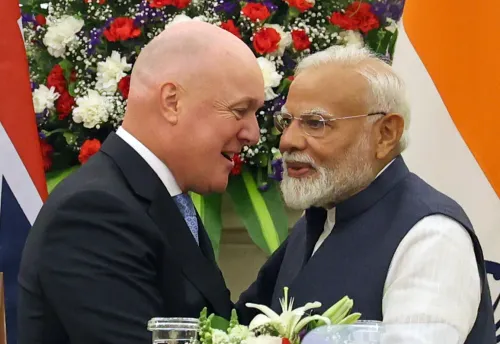
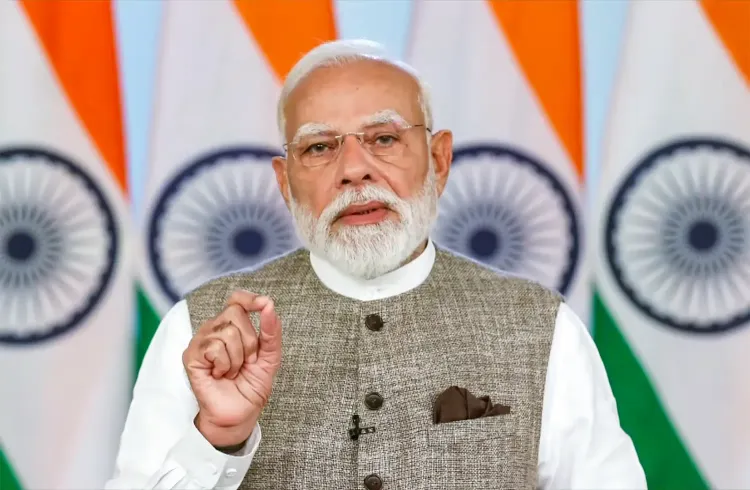
Prime Minister Narendra Modi on Monday, 27 April hailed the newly signed India-New Zealand Free Trade Agreement (FTA) as a transformative pact that will create wide-ranging opportunities across agriculture, manufacturing, innovation and technology sectors. In a statement on social media, Modi described the accord as a 'landmark moment' in bilateral ties, emphasising that it reflects shared values and growing economic ambition between the two nations.
Scope and beneficiaries
The FTA is designed to benefit multiple stakeholder groups including farmers, MSMEs, startups, students, artisans, and women entrepreneurs. Modi underscored that the agreement transcends traditional trade expansion, focusing instead on empowering diverse sections of society and accelerating India's development trajectory. "This agreement will greatly benefit our farmers, youth, women, MSMEs, artisans, startups, students and innovators. It will open new avenues for growth, create opportunities and deepen our synergy across sectors," the Prime Minister stated.
Investment and cooperation pillars
New Zealand has committed $20 billion in investment through the FTA framework, with a focus on strengthening cooperation in agriculture, manufacturing, innovation and technology. The commitment signals a deeper economic partnership beyond conventional goods trade, positioning both nations to leverage complementary strengths in emerging sectors.
New Zealand's perspective
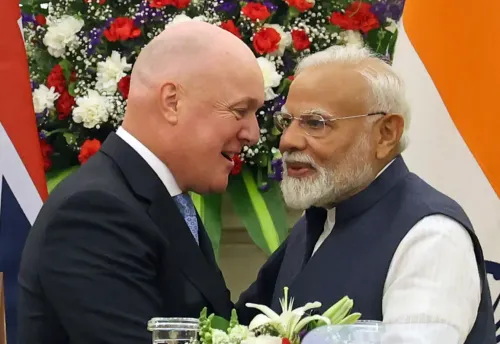
New Zealand Prime Minister Christopher Luxon characterised the deal as a "historic milestone" that marks a new phase in bilateral relations. Luxon noted that negotiations commenced just 13 months ago following his visit to India, and credited officials from both countries for rapidly concluding a comprehensive agreement. "India is one of the world's largest and fastest-growing economies, but our trade relationship has only begun to scratch the surface of its potential," Luxon said.
Strategic significance
The FTA represents a shift in India-New Zealand economic engagement, moving from limited bilateral trade to a structured framework addressing multiple sectors. The pace of negotiation — completion within 13 months — signals political commitment from both governments. Analysts note this timing aligns with India's broader regional trade strategy in the Indo-Pacific and New Zealand's pivot toward Asian economies.
Point of View
But the real test lies in execution. India's track record on trade pacts shows that headline benefits — particularly for MSMEs and farmers — often depend on downstream tariff schedules and rules of origin that remain opaque. New Zealand's $20 billion commitment is substantial, yet specifics on sectoral allocation and timeline are absent from public statements. The agreement's success will hinge on whether it translates into measurable export growth for Indian agricultural and manufactured goods, or remains another aspirational bilateral framework.
NationPress
24 Sept 2026
Frequently Asked Questions
What is the India-New Zealand FTA and when was it signed?
The India-New Zealand Free Trade Agreement is a comprehensive bilateral trade pact signed on 27 April, designed to unlock opportunities across agriculture, manufacturing, innovation and technology. Negotiations were completed in just 13 months following New Zealand PM Christopher Luxon's visit to India.
How much investment has New Zealand committed through the FTA?
New Zealand has committed $20 billion in investment through the FTA framework, with a focus on strengthening cooperation in agriculture, manufacturing, innovation and technology sectors.
Who are the main beneficiaries of the India-New Zealand FTA?
The agreement targets multiple stakeholder groups including farmers, MSMEs, startups, students, artisans and women entrepreneurs. PM Modi stated the FTA will create opportunities for growth across these diverse sectors.
Why did New Zealand prioritise an FTA with India at this time?
According to PM Luxon, India is one of the world's largest and fastest-growing economies, yet the bilateral trade relationship has remained underdeveloped. An FTA was seen as a 'massive opportunity' to unlock the untapped potential in the India-New Zealand economic partnership.
What sectors are covered under the India-New Zealand FTA?
The agreement covers agriculture, manufacturing, innovation and technology. It is designed as a comprehensive pact rather than a goods-only trade accord, reflecting the two nations' shared interest in emerging sectors and structural cooperation.