CM Fadnavis orders satellite checks on CAMPA forest works
Synopsis
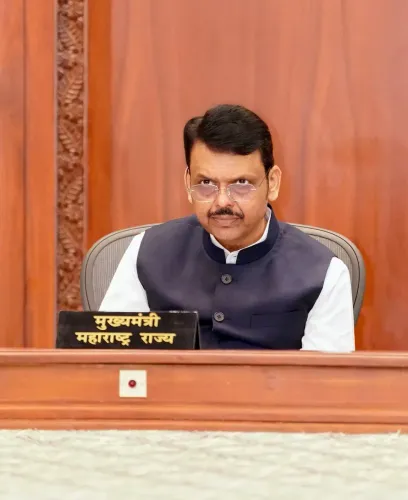
Chief Minister Devendra Fadnavis chaired the Mahā CAMPA regulatory board meeting in Mumbai on 26 October 2026, ordering satellite-based verification of all CAMPA-funded afforestation and conservation works, faster village resettlement in tiger reserves, and CAMPA fund deployment for Maharashtra's 300 crore tree mission and drought-hit grassland development.
Key Takeaways
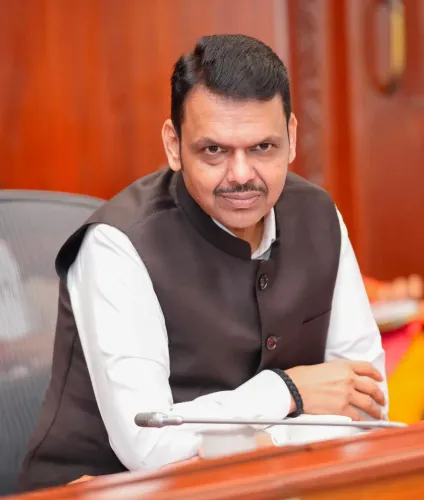
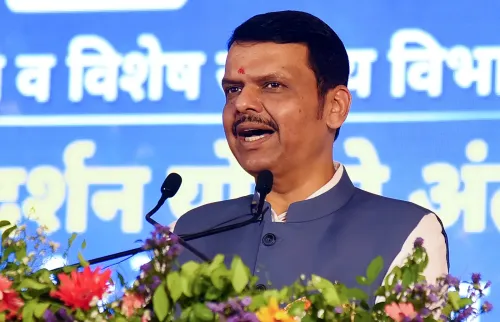
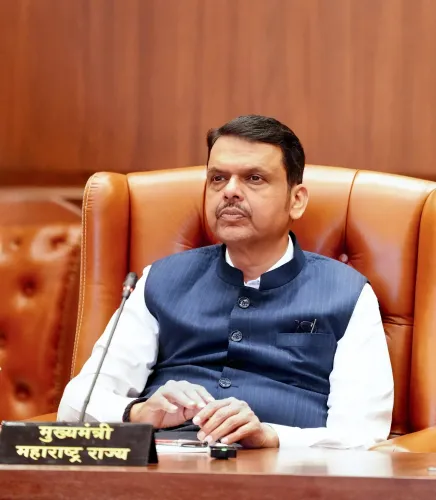
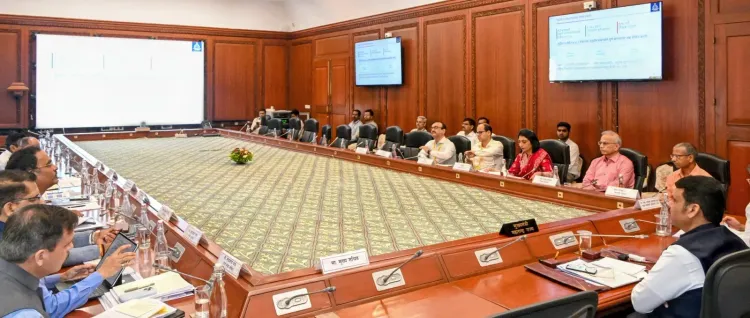
CM Devendra Fadnavis chaired the Mahā CAMPA regulatory board meeting at Sahyadri Guest House, Mumbai, on 26 October 2026 .
Satellite and modern technology to replace current manual methods for verifying completed afforestation, soil, and water conservation works.
55 villages inside tiger reserves and protected areas already resettled using CAMPA funds; phased resettlement of remaining forest villages to continue with central fund support.
CAMPA funds to be channelled into Maharashtra's 300 crore tree plantation mission and a grassland development programme to address ongoing drought conditions.
Plantation works completed on over 1,07,865 hectares ; 15,724 hectares covered under grassland development since the programme began.
State CAMPA authority directed to open an RBI reserve fund account and hire contractual staff to address workforce shortages.
Transparency is now the watchword for Maharashtra's forest restoration funds. Chief Minister Devendra Fadnavis chaired a high-level meeting of the Maharashtra Alternative Afforestation Fund Management and Planning Authority (Mahā CAMPA) regulatory board at Sahyadri Guest House, Mumbai, on Monday, 26 October 2026, and directed that all completed afforestation, soil conservation, and water conservation works funded through CAMPA be verified using satellite imagery and modern technology — replacing the current manual inspection method entirely.
The satellite mandate and why it changes things
The directive is blunt: the existing verification system is out. Fadnavis instructed that a sample of completed afforestation works be selected and surveyed independently, with satellite data providing the evidentiary baseline. The Chief Minister framed this as a non-negotiable shift — 'कामकाजात अधिक पारदर्शकता आणावी' ('bring greater transparency to operations') — pushing agencies responsible for soil, water, and forest works to treat accountability as a primary obligation, not an afterthought.
The move taps into a credible concern: large compensatory afforestation funds have historically been difficult to audit on the ground. Satellite-based spot-checks create a paper trail that is independent of the agencies doing the work, making it significantly harder to overstate coverage.
Village resettlement inside tiger reserves gets a push
The meeting also trained its focus on communities living inside protected forest zones. Fadnavis directed that CAMPA funds be used to complete the resettlement of villages within tiger reserves and other protected areas, and that the state pursue the central government for additional National CAMPA funds to enable phased, village-by-village relocation. 55 villages inside such protected zones have already been resettled using CAMPA resources — a significant number, though the larger task of clearing core areas of human habitation is ongoing.
The policy lineage here is long: Project Tiger, launched in 1973, established the framework for relocating communities from core tiger reserve areas to reduce human-wildlife conflict. The Compensatory Afforestation Fund Act, 2016, then created the financial architecture that makes large-scale, state-managed resettlement economically feasible.
Linking CAMPA to Maharashtra's 300-crore tree mission and drought response
Fadnavis tied the fund's mandate directly to two urgent state priorities. First, Maharashtra's ambitious 300 crore tree plantation mission — the Chief Minister directed that CAMPA resources drive large-scale afforestation and bring non-forest land under tree cover. Second, and with particular urgency given the current drought conditions across parts of the state, he called for the fund to be deployed for an effective grassland development programme (कुरण विकास कार्यक्रम), ensuring fodder availability in stress-affected regions.
The meeting also addressed institutional gaps: contractual staff to be hired to beef up the state CAMPA authority's thin workforce, and a reserve fund account to be opened with the Reserve Bank of India — with instructions to identify better investment options to maximise interest earnings on the corpus.
Scale of work completed under Mahā CAMPA so far
The board received a progress review. Under compensatory afforestation, plantation works have been completed on over 1,07,865 hectares. Between 2019-20 and 2025-26, 562 residential quarters and 83 office buildings were constructed, along with 62 rest rooms for women forest staff. The grassland development programme has covered 15,724 hectares. These figures, presented at the meeting, illustrate the fund's existing footprint — and the scale of the verification challenge that satellite monitoring is now expected to address.
Minister Ganesh Naik and senior officials were present at the meeting. The ball is now in the agencies' court — and the satellites will be watching.
Point of View
Where ground-level audits have historically been unreliable. By tying CAMPA resources simultaneously to the 300 crore tree mission, village resettlement in tiger reserves, and drought-mitigation grassland programmes, Fadnavis is attempting to convert a compliance fund into a multi-purpose ecological and social instrument. The push to seek additional National CAMPA funds from the Centre for phased resettlement is worth watching — it places Maharashtra in direct negotiation with New Delhi over forest governance priorities. Whether the satellite-monitoring framework is operationalised with independent oversight or remains within department control will determine if the transparency promise holds.
NationPress
26 Oct 2026
Frequently Asked Questions
What is Mahā CAMPA and what does it do?
Mahā CAMPA — the Maharashtra Alternative Afforestation Fund Management and Planning Authority — is the state body that manages compensatory afforestation funds collected when forest land is diverted for non-forest uses. The funds are used for afforestation, soil and water conservation, grassland development, and village resettlement in protected areas.
Why is CM Fadnavis ordering satellite-based verification of CAMPA works?
Fadnavis directed the shift to satellite and modern technology to replace the current manual verification system and bring greater transparency to the monitoring of completed afforestation and conservation works, reducing the risk of inflated or unverified claims.
How many villages have been resettled from tiger reserves using CAMPA funds in Maharashtra?
According to the progress review presented at the 26 October 2026 Mahā CAMPA board meeting, 55 villages inside tiger reserves and other protected areas have so far been resettled using CAMPA funds.
What is Maharashtra's 300 crore tree plantation mission?
It is an ambitious state afforestation programme aimed at planting 300 crore (3 billion) trees across Maharashtra, with a focus on degraded and non-forest lands. CM Fadnavis has directed that CAMPA funds be used to support large-scale afforestation under this mission.
How much area has been covered under CAMPA afforestation in Maharashtra?
The Mahā CAMPA board meeting on 26 October 2026 reported that plantation works under compensatory afforestation have been completed on over 1,07,865 hectares, and grassland development has covered 15,724 hectares.