Maharashtra CM Fadnavis forms panel for tendering reforms to boost transparency
Synopsis
Maharashtra is moving to scrap the lowest-bidder default in government contracts. CM Fadnavis has ordered a high-level panel to push quality-and-cost-based selection, integrate MahaTender data across departments, and draw lessons from Nagpur, Pune, and Nashik Metro procurement — a structural overhaul that could reshape how the state spends on infrastructure.
Key Takeaways
CM Devendra Fadnavis announced a high-level committee on 15 July to reform Maharashtra's public procurement and tendering system.
The panel will recommend replacing the L-1 (lowest bidder) model with Quality and Cost Based Selection (QCBS) across government contracts.
The MahaTender portal will be upgraded to integrate departmental data into a single dashboard, curbing contractor monopolisation of public works.
Reforms will prioritise life-cycle cost assessment , SLA implementation , and outcome-based performance over experience and turnover thresholds.
Procurement lessons from Nagpur , Pune , and Nashik Metro projects will be studied and applied to future mega-projects.
Revised Government Resolutions (GRs) will be issued once the committee finalises its recommendations.
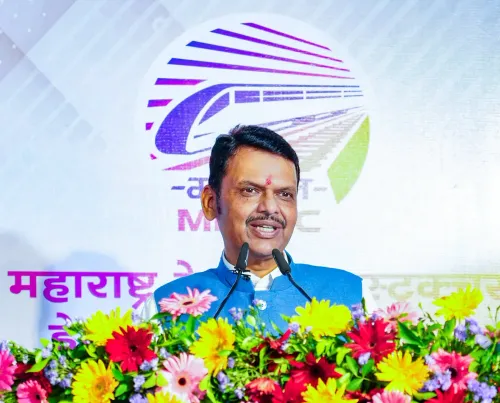
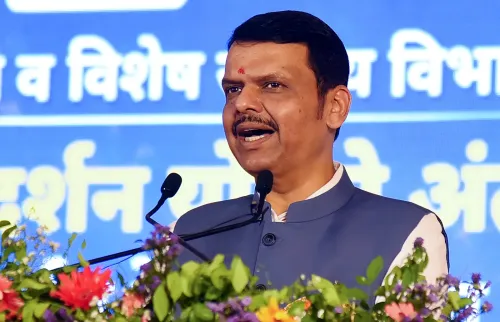
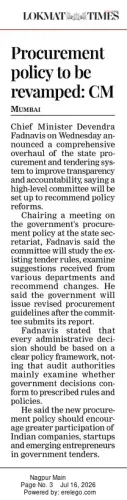
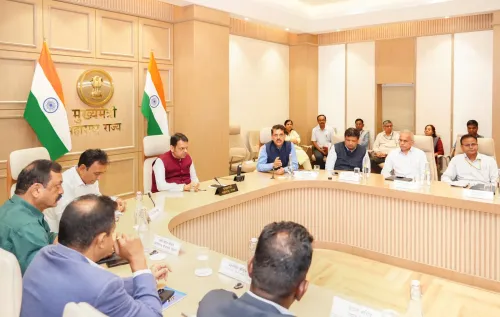
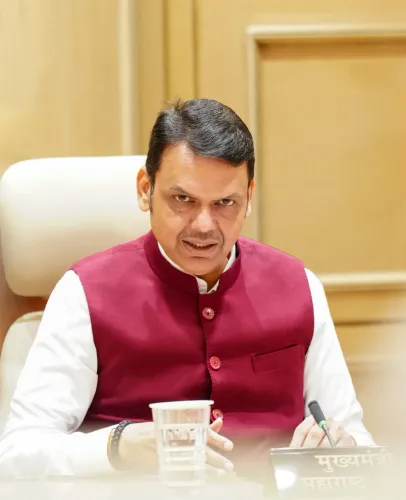
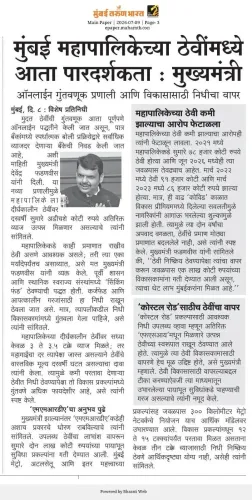
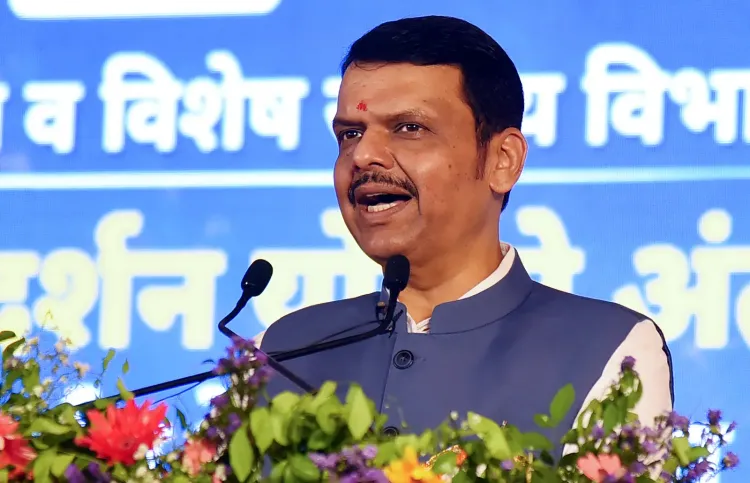
Maharashtra Chief Minister Devendra Fadnavis on Wednesday, 15 July announced the formation of a high-level committee to overhaul the state's public procurement system, directing it to recommend sweeping reforms across all government tenders and purchasing processes. The announcement came during a high-level review meeting on Maharashtra's public procurement policy in Mumbai.
What the Committee Will Do
The newly constituted panel will conduct a thorough review of existing government tendering rules and propose critical updates. Fadnavis said that consensus has already been reached on several recommendations submitted by various government departments, and that formal Government Resolutions (GRs) will be issued once the committee finalises revised guidelines.
'There is an urgent need to formalise this process. The newly constituted committee will thoroughly review current government tendering rules and propose vital updates. Following this, Government Resolutions (GRs) will be issued based on the revised guidelines,' the Chief Minister said.
Key Reforms on the Table
Fadnavis outlined several core directives aimed at reshaping Maharashtra's procurement landscape. The revised tendering framework must ensure a level playing field for domestic Indian industries, startups, and emerging entrepreneurs — moving beyond the traditional emphasis on prior experience and financial turnover.
Critically, the state intends to aggressively implement the Quality and Cost Based Selection (QCBS) method in place of the conventional L-1 (lowest bidder) model, striking a balance between cost efficiency and quality output. Project evaluation will also factor in life-cycle costs rather than just initial setup expenditure — a shift that procurement experts have long advocated for infrastructure-heavy states.
MahaTender Portal Upgrades and Contract Management
To prevent the concentration of large government contracts among a handful of contractors, the MahaTender portal will undergo technical upgrades. Data from multiple departments will be integrated into a single dashboard, enabling real-time visibility of all active projects held by any contractor across departments.
The Chief Minister also stressed the need for robust contract management systems, including effective implementation of Service Level Agreements (SLAs), stronger risk management protocols, continuous project monitoring, and well-structured initial agreements — all aimed at reducing arbitration and legal disputes, which have historically delayed infrastructure delivery in the state.
Learning from Metro Projects
Fadnavis specifically called for a detailed study of procurement experiences from the Nagpur, Pune, and Nashik Metro projects, with the aim of applying lessons on cost reduction, quality enhancement, and life-cycle cost assessment to future mega-projects. He noted that audits by the Comptroller and Auditor General (CAG) place maximum weight on whether administrative decisions align with established policy — making clear, transparent policy frameworks non-negotiable.
'Implementing these reforms will make our public procurement process highly transparent, competitive, quality-focused and innovative. Ultimately, this will unlock massive opportunities for local businesses and startups, while rapidly accelerating the state's infrastructure development,' he said.
What Comes Next
The high-level committee's recommendations will form the basis of revised GRs to be issued by the state government. Industry observers will watch whether the shift to QCBS and outcome-based tendering is implemented uniformly across departments, or remains confined to select flagship projects.
Point of View
It would mark a genuine accountability upgrade. The real measure of Fadnavis's intent will be whether the high-level committee's mandate includes independent oversight, or whether it remains an internal bureaucratic exercise.
NationPress
14 Oct 2026
Frequently Asked Questions
What reforms has CM Fadnavis announced for Maharashtra's tendering system?
Chief Minister Devendra Fadnavis on 15 July announced a high-level committee to overhaul Maharashtra's public procurement system. Key reforms include replacing the L-1 (lowest bidder) model with Quality and Cost Based Selection (QCBS), upgrading the MahaTender portal for cross-departmental transparency, and adopting life-cycle cost assessment for projects.
What is the QCBS method and why is Maharashtra adopting it?
Quality and Cost Based Selection (QCBS) evaluates bids on both technical quality and cost, rather than awarding contracts solely to the lowest bidder. Maharashtra is adopting it to improve the quality of government works, encourage innovation, and reduce long-term costs — addressing persistent issues with the L-1 model that often results in poor execution.
How will the MahaTender portal upgrade improve accountability?
The upgraded MahaTender portal will integrate data from multiple government departments into a single dashboard, showing all active projects held by any contractor across the state. This is designed to prevent a few contractors from monopolising large government works and to give administrators real-time visibility into procurement activity.
Which projects will serve as benchmarks for the new procurement approach?
CM Fadnavis called for a detailed study of the procurement experiences of the Nagpur, Pune, and Nashik Metro projects. Lessons on cost reduction, quality enhancement, and life-cycle cost assessment from these projects are to be applied to future mega-projects in Maharashtra.
When will the new tendering rules come into effect?
The high-level committee will first review existing tendering rules and submit its recommendations. Revised Government Resolutions (GRs) will be issued based on those recommendations. No specific deadline has been announced yet for the committee's report or the GRs.