CM Fadnavis Chairs Government Procurement Policy Meeting
Synopsis
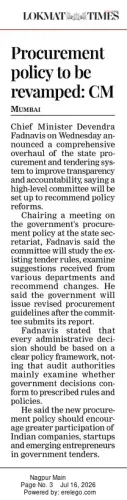
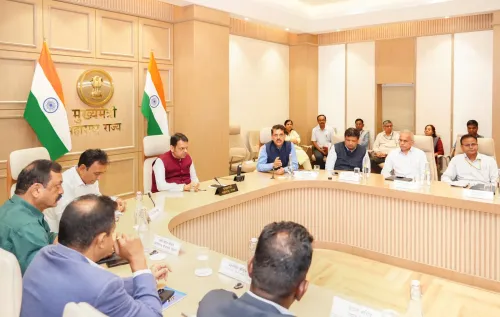
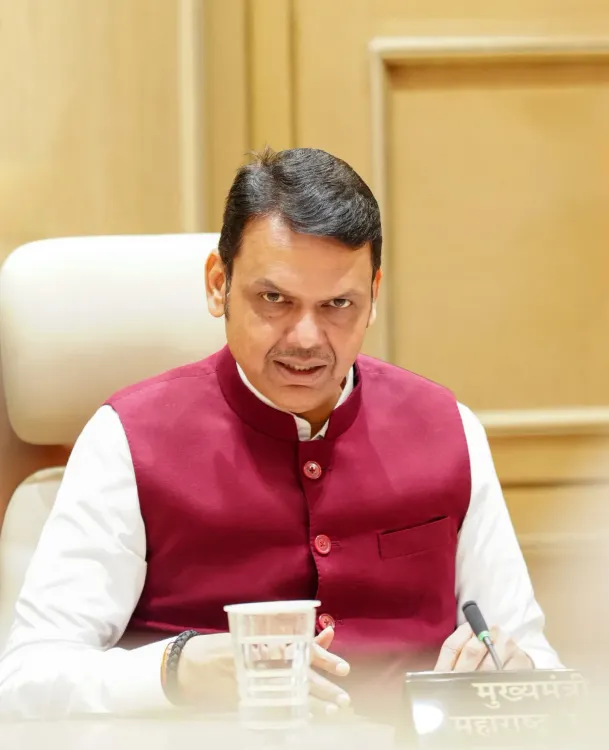
Chief Minister Devendra Fadnavis chaired a Government Procurement Policy review meeting at Varsha Bungalow, Mumbai, on 15 July 2026. Senior officials attended the trilingual-announced session, signalling a potential overhaul of how Maharashtra's state departments purchase goods and services.
Key Takeaways
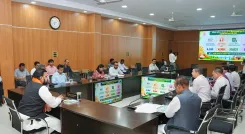
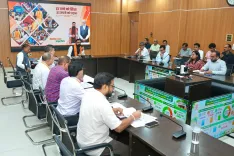
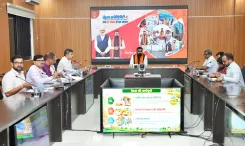
Chief Minister Devendra Fadnavis chaired a meeting on Government Procurement Policy on 15 July 2026 at 2:30 PM .
The meeting was held at Varsha Bungalow , the official Chief Minister's residence in south Mumbai.
Senior Maharashtra government officials were present, indicating cross-departmental participation.
The announcement was made in three languages — English, Marathi, and Hindi — by the Chief Minister's Office.
Exact agenda and decisions from the meeting have not yet been made public.
Observers are watching for formal Government Resolutions (GRs) that may revise procurement thresholds, vendor norms, or e-tendering mandates.
The Chief Minister's Office of Maharashtra announced on Wednesday, 15 July 2026 that Chief Minister Devendra Fadnavis chaired a high-level meeting on the state's Government Procurement Policy at Varsha Bungalow, Mumbai, at 2:30 PM. Senior officials of the Maharashtra government were present at the deliberations.
The official post, shared in English, Marathi, and Hindi, confirmed the meeting was held at Varsha Bungalow — the official residence of the Chief Minister situated in south Mumbai — underscoring the seniority of the review. The trilingual announcement signals the administration's intent to communicate the development to Maharashtra's diverse population.
Context
Devendra Fadnavis, a senior Bharatiya Janata Party leader, has served multiple terms as Chief Minister of Maharashtra and has consistently prioritised administrative reform and fiscal discipline. Government procurement — covering purchases made by state departments from vendors and suppliers — is one of the largest channels of public expenditure in a state as industrialised as Maharashtra. Periodic policy reviews at the Chief Minister's level signal that significant revisions may be in the offing.
The meeting's agenda and any decisions taken have not been made public as yet. The Chief Minister's Office confirmed only that senior officials were present, indicating cross-departmental participation in the review.
Policy Backdrop
Maharashtra progressively adopted a centralised e-tendering portal through the 2010s to replace manual tender processes and improve transparency in government purchases. These reforms were part of a broader national push to align state procurement rules with the General Financial Rules issued by the central government, reduce discretionary decision-making in high-value contracts, and bring greater accountability to the vendor ecosystem.
Indian state governments periodically revisit procurement frameworks to introduce updated vendor registration norms, revise financial thresholds for different procurement categories, and mandate greater use of digital procurement platforms. Maharashtra, as the country's most industrialised state and a major economic hub, has historically used such revisions to control expenditure and curb irregularities in contracting.
A recurring policy priority in recent years has been extending preferential treatment to Micro, Small and Medium Enterprises (MSMEs) and local manufacturers — a thrust that aligns with the central government's Atmanirbhar Bharat initiative and 'Make in India' goals.
Stakeholders and Impact
The outcome of this policy review is likely to affect a wide range of actors: state government departments that procure goods and services, registered vendors and public sector suppliers, and the Maharashtra e-procurement portal ecosystem. Any revision to procurement thresholds or vendor norms could reshape how contracts are awarded across sectors ranging from infrastructure to health supplies.
MSMEs in particular will watch the outcome closely, as procurement preference policies can open or restrict access to government contracts worth thousands of crore rupees annually across Maharashtra's departments and public undertakings.
What's Next
Observers will look for the issuance of formal Government Resolutions (GRs) in the days following the meeting, which would spell out any changes to procurement thresholds, e-tendering mandates, or vendor registration requirements. Such GRs, once published in the Maharashtra Government Gazette, carry the force of law and would bind all state departments.
The review also comes at a time when several Indian states are reassessing their procurement architectures to reduce leakage and improve value-for-money in public spending — placing Maharashtra's move in a broader national governance context.
Point of View
Not routine administration. Procurement policy sits at the intersection of fiscal discipline, MSME empowerment, and anti-corruption efforts, making it a high-stakes domain for any ruling dispensation. The trilingual communication suggests the government is keen to project transparency and broad outreach around this initiative. If the meeting yields revised GRs, they could set the template for how India's most industrialised state manages billions of rupees in annual public contracts going forward.
NationPress
14 Oct 2026
Frequently Asked Questions
What is the Maharashtra Government Procurement Policy meeting about?
Chief Minister Devendra Fadnavis chaired a meeting on 15 July 2026 to review the state's Government Procurement Policy, which governs how Maharashtra's departments purchase goods and services. The specific agenda and decisions have not been made public yet.
Where was the procurement policy meeting held?
The meeting was held at Varsha Bungalow in south Mumbai, which is the official residence of the Chief Minister of Maharashtra.
Who attended the Government Procurement Policy meeting?
Senior officials of the Maharashtra government were present at the meeting chaired by Chief Minister Devendra Fadnavis, indicating cross-departmental participation, though specific names have not been disclosed.
What changes could come from Maharashtra's procurement policy review?
Potential outcomes include revised financial thresholds for procurement categories, updated vendor registration norms, and expanded use of the state's e-tendering portal. Formal Government Resolutions (GRs) would be issued to make any changes legally binding.
How does Maharashtra's procurement policy affect MSMEs?
Government procurement preference policies can significantly expand or restrict MSME access to state contracts worth thousands of crore rupees annually, making any revision to Maharashtra's procurement framework closely watched by small and medium businesses.