CM Fadnavis Addresses Press on Maharashtra GST Collections
Synopsis
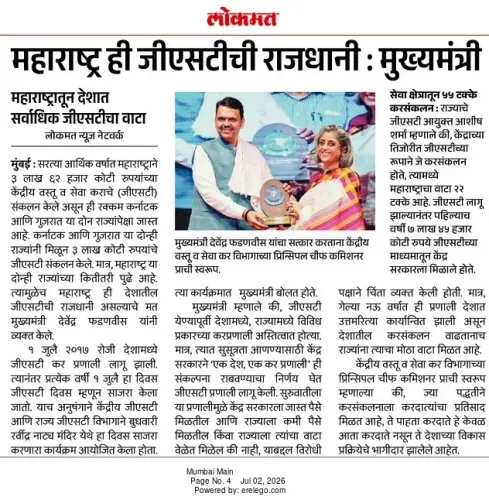
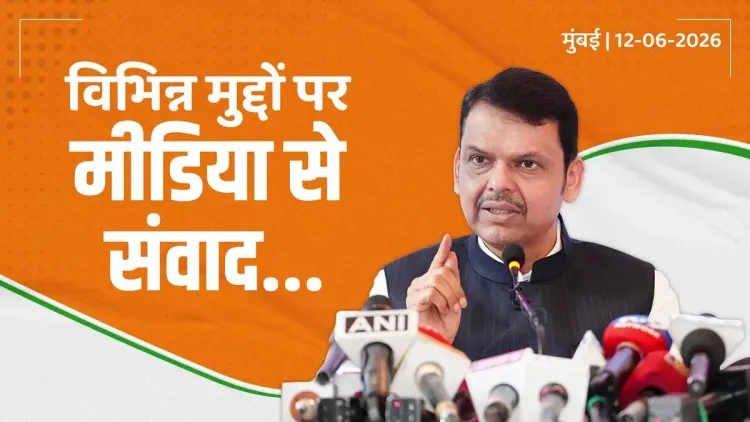
Maharashtra Chief Minister Devendra Fadnavis addressed a Mumbai press conference on 12 June 2026, speaking on the state's GST revenue performance and the case for GST's benefits across all Indian states, amid ongoing national debates on fiscal federalism and revenue distribution.
Key Takeaways
Devendra Fadnavis held a press conference ( Patrakar Parishad ) in Mumbai on 12 June 2026 .
The briefing covered Maharashtra's GST collection figures and the argument that GST benefits all states.
Maharashtra is India's most industrialised state and one of the largest contributors to national GST revenue.
GST was launched on 1 July 2017 ; the state compensation cess ended in June 2022 , leaving revenue-sharing debates unresolved.
The briefing is relevant ahead of the next GST Council meeting, where rate rationalisation and revenue distribution are key agenda items.
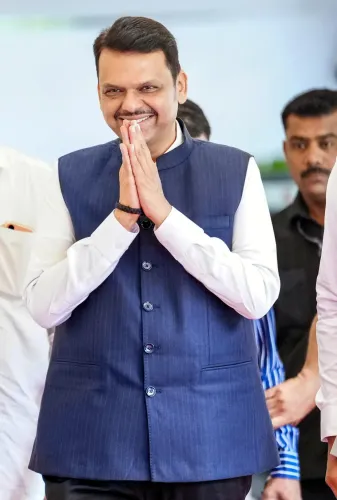
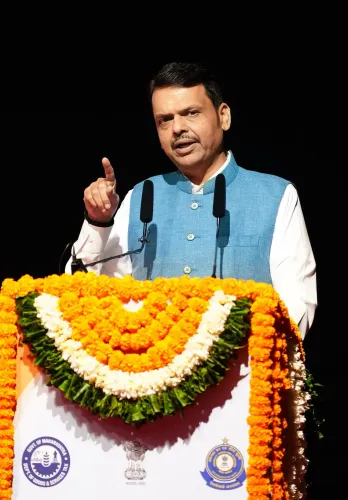
Maharashtra Chief Minister Devendra Fadnavis addressed a press conference in Mumbai on 12 June 2026, briefing journalists on the state's GST collection performance and the broader benefits of the Goods and Services Tax framework for all states across India.
Context
Speaking at the Patrakar Parishad (press council) in Mumbai, Fadnavis took questions from media on two central themes: Maharashtra's own GST revenue figures and the wider argument that the unified indirect tax regime delivers fiscal gains to every state in the country. The press conference, held on a Friday afternoon, signals the state government's intent to publicly frame the GST debate on its own terms.
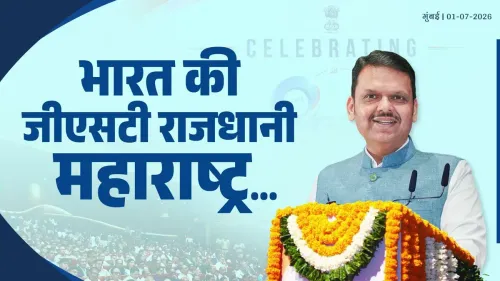
Maharashtra, as India's most industrialised state and home to the financial capital Mumbai, routinely contributes a disproportionately large share of national GST receipts — a point the Chief Minister is known to highlight when making the case for the state's fiscal standing within the federal structure.
Policy Backdrop
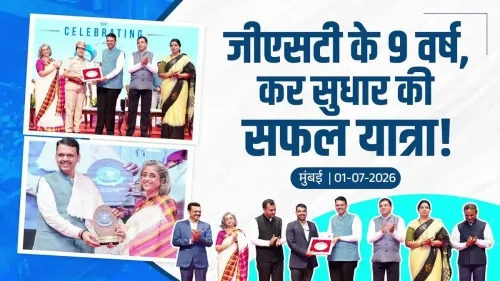
GST was launched nationwide on 1 July 2017, replacing a patchwork of central and state levies with a single unified indirect tax. A compensation mechanism guaranteed states a 14 percent annual revenue growth for five years to cushion any transition losses.
That compensation cess ended in June 2022, and debates over revenue sharing, rate rationalisation, and state fiscal autonomy have continued since. For high-collection states like Maharashtra — driven by its manufacturing, services, and trade base — GST performance data is both a political and economic talking point, often deployed to argue for greater say in GST Council decisions.
Stakeholders and Impact
The primary stakeholders in this briefing are Maharashtra's business community, state government departments, and the broader network of state governments that watch how large states frame the GST revenue-sharing conversation. When Maharashtra's Chief Minister publicly discusses collection trends, it carries weight in inter-governmental fiscal discussions at the national level.
For traders, manufacturers, and service providers registered under GST in the state, any signals about compliance, rate changes, or collection targets have direct operational implications. The briefing also feeds into the political narrative ahead of any supplementary state budget or upcoming GST Council meeting.
What's Next
Attention will now turn to the agenda of the next GST Council meeting, where revenue distribution, rate rationalisation, and ease-of-compliance reforms are perennial items. Maharashtra's stated position on these issues — as articulated by Fadnavis at press conferences like this one — typically shapes the state's negotiating stance in those deliberations.
Any supplementary budget documents or official state finance releases in the coming weeks are likely to carry the collection figures discussed at today's briefing, giving the public a clearer picture of Maharashtra's fiscal trajectory for 2026.
Point of View
High-performing contributor to India's indirect tax architecture at a time when state-centre revenue tensions remain live. By framing GST as beneficial to 'all states', he signals alignment with the Centre's federal compact while simultaneously asserting Maharashtra's outsized role in the system. This dual move is consistent with his broader political strategy of demonstrating administrative competence on economic governance. The timing, ahead of a likely GST Council session, suggests the state is laying groundwork for its negotiating position on revenue distribution.
NationPress
26 Oct 2026
Frequently Asked Questions
What did CM Devendra Fadnavis say at the Mumbai press conference on 12 June 2026?
Fadnavis addressed journalists on Maharashtra's GST collection performance and argued that the GST regime delivers benefits to all states in India, not just high-revenue contributors.
How much GST does Maharashtra collect compared to other states?
Maharashtra is India's most industrialised state and consistently ranks among the top GST-collecting states nationally, driven by its large manufacturing, services, and trade sectors centred in Mumbai.
What is the GST compensation cess and has it ended?
The GST compensation cess was a mechanism guaranteeing states 14 percent annual revenue growth for five years after GST's 2017 launch; it ended in June 2022, and debates on revenue sharing have continued since.
Why does Maharashtra's GST collection matter for other states?
As one of the largest contributors to national GST revenue, Maharashtra's collection trends and policy positions influence broader GST Council decisions on rate rationalisation and inter-state revenue distribution.
What is the GST Council and when is its next meeting?
The GST Council is the apex federal body comprising the Union Finance Minister and state finance ministers that decides GST rates and policies; its next meeting is expected to take up revenue distribution and rate rationalisation, with Maharashtra's stance now publicly signalled by Fadnavis.