CM Fadnavis orders procurement policy overhaul for Maharashtra
Synopsis
Chief Minister Devendra Fadnavis chaired a meeting at Varsha residence on 15 July 2026 and ordered a high-level committee to overhaul Maharashtra's public procurement policy, introducing QCBS, lifecycle costing, Mahatender portal integration, and greater access for startups and new entrepreneurs.
Key Takeaways
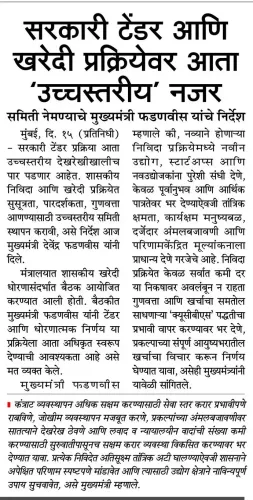
A high-level committee will be constituted to study Maharashtra's existing tender rules and recommend reforms, after which revised government resolutions will be issued.
CM Fadnavis directed the adoption of the QCBS (Quality and Cost Based Selection) method and lifecycle costing in place of the lowest-bid-only criterion.
The Mahatender Portal will be technically upgraded to integrate contractor data across departments and prevent monopolisation of contracts by a single vendor.
Startups, new entrepreneurs, and emerging Indian businesses will be given greater access to government tenders through revised eligibility criteria focused on technical capability and outcomes.
Contract management reforms include stronger Service Level Agreements , continuous project monitoring, and robust contract structures to reduce arbitration and court disputes.
Lessons from the Nagpur, Pune, and Nashik Metro projects will inform cost reduction and quality improvement in future infrastructure procurement.
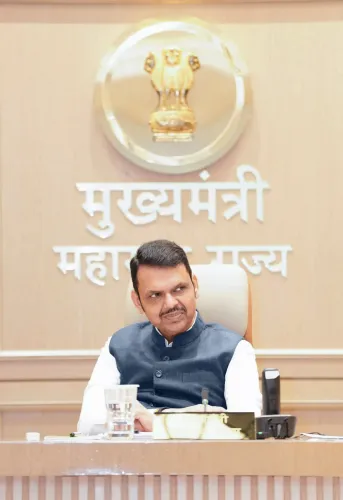
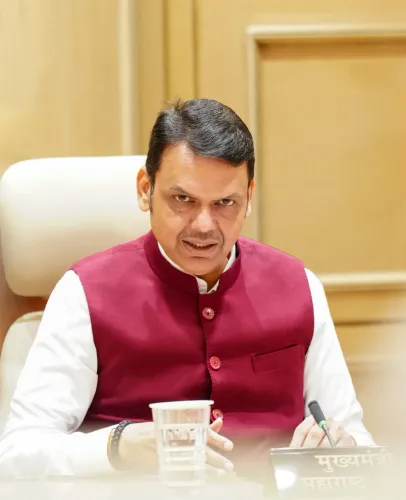
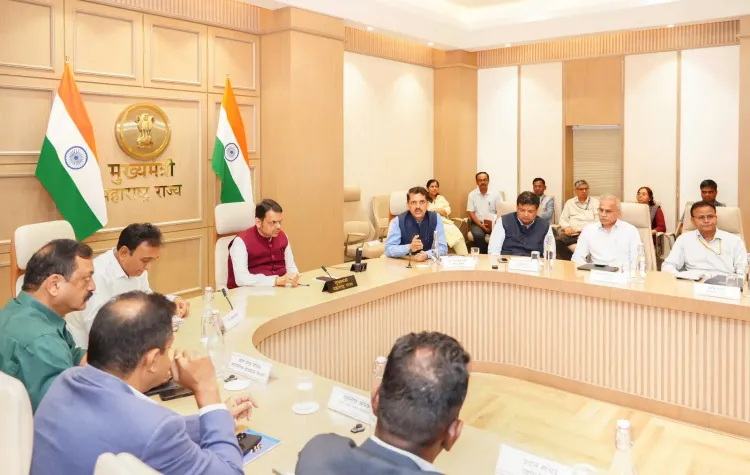
Chief Minister Devendra Fadnavis chaired a high-level meeting on government procurement policy at Varsha residence, Mumbai, on Wednesday, 15 July 2026, directing the formation of a new committee to recommend sweeping reforms to the state's tendering and purchasing processes.
Context
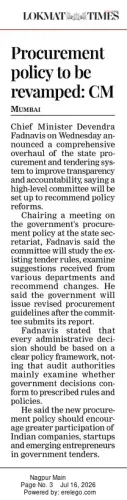
The meeting brought together senior officials to consolidate suggestions received from various state departments on revamping procurement norms. CM Fadnavis stated that a consensus had already emerged across departments on the direction of reform, and that the process now needed to be formalised. A newly constituted high-level committee will study existing tender rules and propose the necessary changes, after which revised government resolutions will be issued.
The Chief Minister underscored the significance of audit compliance, noting that the Comptroller and Auditor General (CAG) evaluates whether administrative decisions are grounded in clear policy and rules. 'Every administrative decision must be based on a clear policy,' he said, stressing the need for an unambiguous regulatory framework before new norms take effect.
Policy Backdrop
Maharashtra progressively adopted e-tendering systems through the 2010s to reduce discretion and manual intervention in government purchases. The state's Mahatender Portal serves as the centralised platform for publishing and managing tenders across departments. CM Fadnavis directed that the portal be upgraded so that contractor performance data from multiple departments is available on a single system, preventing the concentration of a large volume of contracts with any single vendor.
The reforms also call for replacing the conventional lowest-bid criterion with the Quality and Cost Based Selection (QCBS) method, which balances price against quality. Lifecycle costing — accounting for the total expenditure over a project's entire lifespan — is to be factored into procurement decisions. These approaches mirror the broader national push under Make in India to prioritise quality outcomes over short-term cost savings.
The Chief Minister cited the experiences of the Nagpur, Pune, and Nashik Metro projects as case studies to be studied for reducing costs, improving quality, and applying lifecycle-cost thinking to future infrastructure projects. International best practices in procurement are also to be examined for adoption in large infrastructure schemes.
Stakeholders and Impact
A central thrust of the reforms is opening government tenders to Indian startups, new entrepreneurs, and emerging businesses. CM Fadnavis said the current emphasis on prior experience and financial eligibility as primary criteria should give way to assessments of technical capability, innovation, skilled workforce, quality of execution, and outcome-based evaluation. He added that the government must be prepared to accept a degree of calculated risk to give capable domestic companies a fair opportunity.
The reforms are also intended to strengthen contract management through effective Service Level Agreements (SLAs), robust risk management, continuous project monitoring, and the development of stronger contract structures from the outset to reduce arbitration and litigation. The Chief Minister called for tenders to specify expected outcomes rather than overly granular technical conditions, allowing industry to propose innovative solutions and thereby fostering research and modern technology adoption.
What's Next
The newly formed high-level committee will now undertake a detailed study of existing tender regulations before submitting its recommendations. Once approved, revised norms will be formalised through government resolutions. Parallel technical upgrades to the Mahatender Portal will be pursued to integrate departmental data and prevent contract monopolisation. If implemented in full, the overhaul is expected to make Maharashtra's public procurement more transparent, competitive, and innovation-friendly, while accelerating infrastructure development and creating wider opportunities for local industry and startups.
Point of View
Reducing the legal and audit vulnerabilities that have historically dogged large Maharashtra projects. By embedding QCBS and lifecycle costing into tender rules, the state is aligning with a national trend of moving beyond lowest-bid selection — a shift that carries real fiscal discipline implications. The explicit push to include startups and new entrepreneurs in government contracts is politically savvy, broadening the coalition of beneficiaries beyond established contractors. The success of the reform, however, will hinge on whether the high-level committee's recommendations are actually codified into binding government resolutions and enforced through the upgraded Mahatender portal.
NationPress
14 Oct 2026
Frequently Asked Questions
What did CM Devendra Fadnavis decide about Maharashtra's procurement policy?
CM Fadnavis directed the formation of a high-level committee to study existing tender rules and recommend comprehensive reforms aimed at improving transparency, quality, innovation, and accountability in government procurement.
What is the QCBS method mentioned in Maharashtra's tender reforms?
QCBS stands for Quality and Cost Based Selection, a procurement method that balances price with quality rather than awarding contracts solely on the lowest bid. CM Fadnavis directed its effective use in Maharashtra's tender processes.
What is the Mahatender Portal and how will it be upgraded?
The Mahatender Portal is Maharashtra's centralised online platform for government tenders. The proposed upgrades will link data across departments so contractor performance is visible on a single system and no single contractor can corner a disproportionate share of contracts.
How will Maharashtra's new procurement policy help startups?
The reformed policy will reduce reliance on prior experience and financial eligibility as the primary criteria, instead prioritising technical capability, innovation, and outcome-based evaluation, giving startups and new entrepreneurs a fairer chance at government contracts.
Which Metro projects did CM Fadnavis cite as models for procurement reform?
CM Fadnavis specifically referenced the Nagpur, Pune, and Nashik Metro projects as case studies whose procurement experiences should be studied to reduce costs, improve quality, and apply lifecycle costing to future infrastructure projects.