CM Fadnavis Chairs Maha CAMPA Governing Body Meet
Synopsis
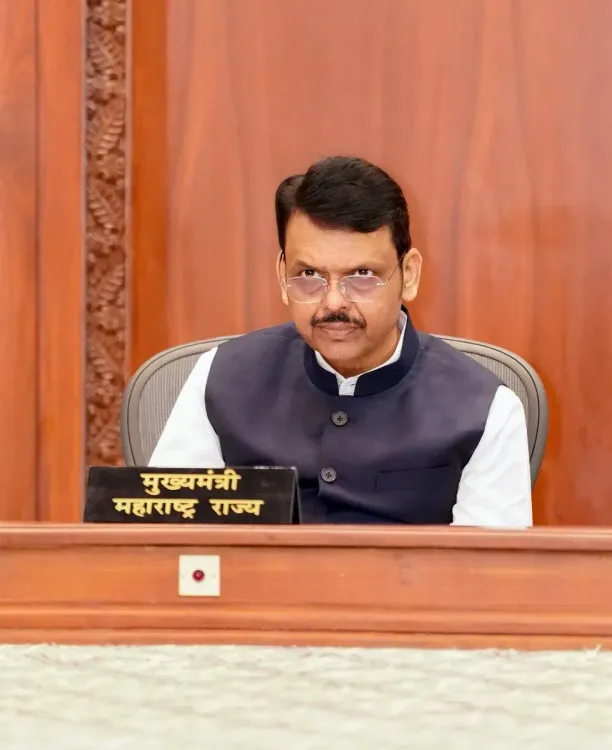
Chief Minister Devendra Fadnavis chaired the Maha CAMPA Governing Body meeting in Mumbai on 26 October 2026. The authority manages compensatory afforestation funds that offset forest land diverted for infrastructure projects across Maharashtra.
Key Takeaways
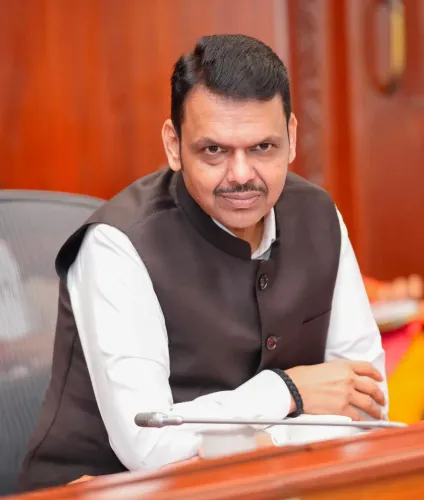
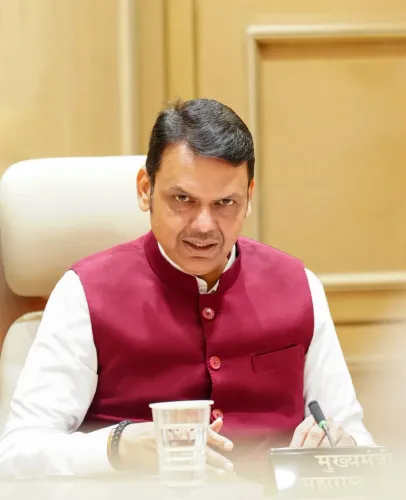
CM Devendra Fadnavis chaired the Maha CAMPA Governing Body meeting at Sahyadri Guest House, Mumbai on 26 October 2026 .
Minister Ganesh Naik (Forests portfolio) and senior officials attended the session.
Maha CAMPA administers funds collected from project developers who divert forest land for infrastructure and industry.
The Compensatory Afforestation Fund Act, 2016 created the national framework under which Maha CAMPA operates.
Governing Body meetings approve Annual Plans of Operation that translate fund releases into physical plantation and conservation targets.
Maharashtra's CAMPA utilisation and plantation survival rates are monitored by the Union Ministry of Environment, Forest and Climate Change .
At Sahyadri Guest House, Mumbai, on 26 October 2026 at 1:40 PM, Chief Minister Devendra Fadnavis convened a meeting of the Maharashtra Compensatory Afforestation Fund Management and Planning Authority (Maha CAMPA) Governing Body — the body that decides how Maharashtra channels forest-offset funds into real trees on the ground.
The Chief Minister's Office confirmed that Minister Ganesh Naik and senior officials were present at the meeting. The post, shared in English, Marathi, and Hindi, signalled the administration's intent to communicate the session's significance broadly.
What Maha CAMPA does — and why these meetings matter
Every time a highway, a dam, or a power plant displaces forest land in India, the developer is legally required to pay into a compensatory afforestation fund. That money flows into a state authority — in Maharashtra's case, Maha CAMPA — which must then plan, plant, and verify replacement forest cover. The Compensatory Afforestation Fund Act, 2016 created this national framework; Maharashtra established Maha CAMPA shortly after to administer its share. The Governing Body meeting is the apex decision-making event in that cycle. States convene it to approve Annual Plans of Operation (APOs) — the blueprints that translate central fund releases into physical plantation targets, forest protection works, and wildlife habitat restoration across the state. Without a cleared APO, field-level work cannot proceed.Fadnavis and Naik at the table
The presence of Minister Ganesh Naik — who holds the Forests portfolio in the Fadnavis cabinet — alongside senior forest officials underlines the meeting's operational weight. These sessions set the agenda for where Maharashtra plants, how survival rates are audited, and what utilisation certificates go back to the Union Ministry of Environment, Forest and Climate Change. Maharashtra is among India's larger recipients of infrastructure-linked forest diversion, making its CAMPA pipeline one of the more consequential in the country. The state's forest department is responsible for ensuring that compensatory plantations actually survive — a metric the Centre monitors closely through fund-release reviews.The balance India is trying to strike
The CAMPA mechanism sits at the intersection of two long-running national commitments: the Forest Conservation Act, 1980, which mandates no-net-loss of forest, and an infrastructure buildout that routinely requires forest-land diversion. Governing body meetings like Monday's are, in effect, the institutional moment where that tension is managed — budgets are allocated, targets are fixed, and accountability is assigned. With the next round of utilisation certificates and survival-rate audits due to flow to the Centre, what the Fadnavis-chaired body decided on Monday will shape Maharashtra's afforestation scorecard for the year ahead.Point of View
Chairing it personally signals that forest governance is being treated as a cabinet-level priority, not delegated entirely to the bureaucracy. With the Centre tightening scrutiny of state CAMPA utilisation rates, Maharashtra needs a clean audit trail ahead of the next fund-release cycle. The presence of Forest Minister Ganesh Naik alongside the CM also suggests the state is trying to project coordinated executive ownership over a programme that has historically suffered from poor plantation survival rates nationwide.
NationPress
26 Oct 2026
Frequently Asked Questions
What is the Compensatory Afforestation Fund Act, 2016?
The Compensatory Afforestation Fund Act, 2016 is a central law that created a national framework — and state-level authorities like Maha CAMPA — to systematically collect, manage, and deploy afforestation funds from project developers who use forest land.
Why did CM Devendra Fadnavis chair the Maha CAMPA meeting?
As the head of the state government, CM Fadnavis chairs the Maha CAMPA Governing Body. The meeting approves the Annual Plan of Operation that determines how compensatory afforestation funds are spent across Maharashtra each year.
Who is Minister Ganesh Naik and why was he at the CAMPA meeting?
Ganesh Naik holds the Forests portfolio in the Fadnavis cabinet. His presence at the Governing Body meeting reflects his ministerial responsibility for forest management and afforestation policy in Maharashtra.
What happens at a CAMPA Governing Body meeting?
A CAMPA Governing Body meeting approves annual operational plans that translate central fund releases into specific targets for plantation, forest protection, and wildlife habitat works. It also reviews utilisation certificates submitted to the Union Environment Ministry.