Mandaviya Holds Grassroots Dialogue With Local Body Leaders in Keshod
Synopsis
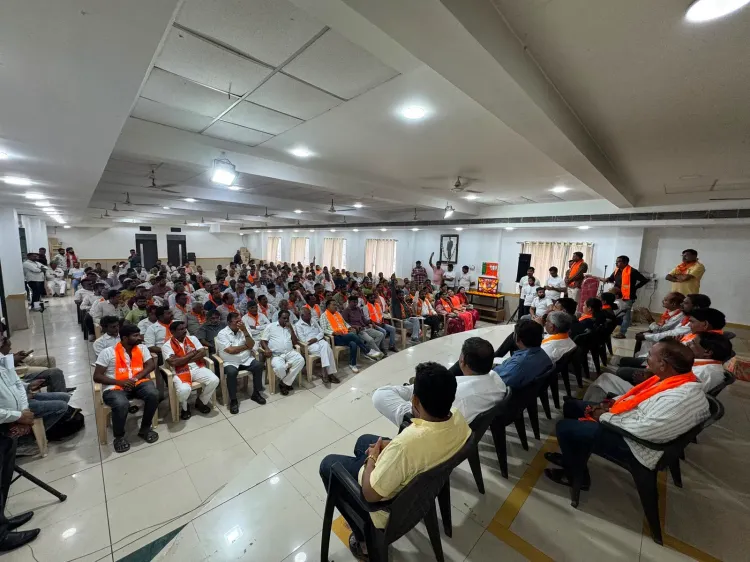
Union Minister Mansukh Mandaviya met taluka and nagar palika office-bearers in Keshod, Junagadh on 10 July 2026, underlining BJP's 'Su-Shasan' resolve and the importance of organisational unity for grassroots development delivery in Gujarat.
Key Takeaways
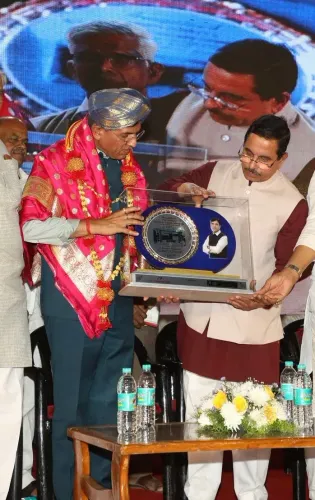
Mansukh Mandaviya , Union Minister of Labour and Sports, held a dialogue with taluka and nagar palika office-bearers in Keshod, Junagadh district on 10 July 2026 .
The meeting centred on three themes: organisational unity (sangathan), development vision, and good governance (Su-Shasan) .
Keshod is a taluka headquarters in Saurashtra, Gujarat, within the minister's long-standing organisational network.
Such minister-level grassroots dialogues form part of BJP's post-2014 pattern of aligning central scheme delivery with party organisation at the sub-district level.
The interaction is significant given Mandaviya's dual portfolio — Labour & Employment and Youth Affairs & Sports — both of which have last-mile delivery implications for local bodies.
Observers are watching whether the visit is part of a wider organisational tour ahead of any upcoming Gujarat local-body elections .
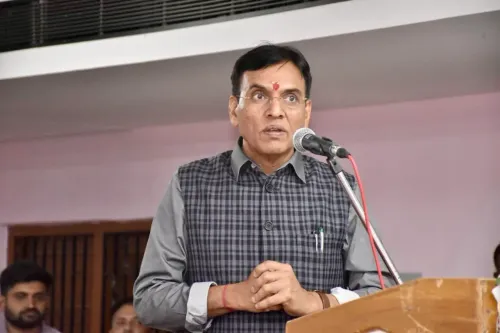
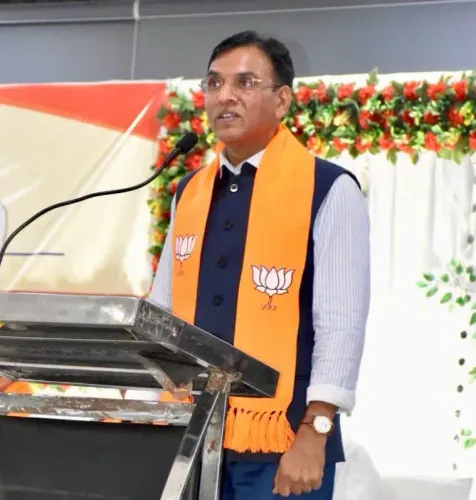
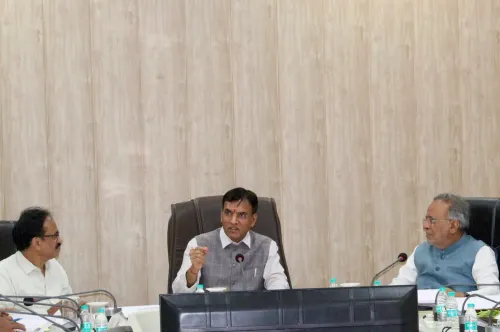
Union Labour and Sports Minister Mansukh Mandaviya on Friday, 10 July 2026, met with taluka and nagar palika office-bearers in Keshod, Junagadh district, Gujarat, reaffirming the BJP's commitment to organisational unity, development vision, and good governance at the grassroots level.
Posting on X in Gujarati, the minister described the occasion as an opportunity for dialogue — 'sangathan ni ekta ane vikas na vision sathe sushasan no sankalp' (the resolve for good governance alongside organisational unity and a vision for development) — with local functionaries in his home state.
Context
Keshod is a taluka headquarters in Junagadh district in Saurashtra, Gujarat, and falls within the organisational and political network that Mandaviya has cultivated over decades of party work in the state. The minister, who began his political career through student and youth wings of the BJP in Gujarat, has maintained close ties with grassroots party structures even after assuming Union Cabinet responsibilities. The meeting brought together office-bearers from both the taluka administration tier and the nagar palika (municipal council) level.
Policy Backdrop
The concept of 'Su-Shasan' — Gujarati and Hindi for good governance — has been a defining plank of BJP-led governments since the early 2000s, closely associated with the party's Gujarat model of administration. Periodic dialogues between senior Union ministers and local body representatives form part of a broader BJP practice of aligning governmental delivery with party organisation, a pattern that became more structured after 2014. Such interactions are designed to cascade central scheme messaging down to the taluka and ward levels, ensuring that elected representatives and party workers can communicate policy outcomes to constituents directly.
Gujarat's local governance architecture — comprising district panchayats, taluka panchayats, and nagar palikas — serves as a critical delivery layer for centrally sponsored schemes in areas such as employment, housing, and sports infrastructure, all of which fall within Mandaviya's ministerial portfolio.
Stakeholders and Impact
The immediate audience for such dialogues comprises taluka-level BJP functionaries, elected nagar palika members, and local administrative officers who are responsible for last-mile delivery of government programmes. For these stakeholders, direct access to a Union minister provides an opportunity to flag implementation gaps and seek clarity on scheme guidelines. For the minister, such visits reinforce organisational presence in a state that BJP considers a stronghold and a laboratory for governance innovation.
Residents of Keshod and surrounding areas in Junagadh district stand to benefit if the dialogue translates into faster resolution of local development bottlenecks, particularly in employment generation and youth-focused programmes aligned with the minister's dual portfolio.
What's Next
The Keshod meeting is likely part of a broader organisational tour of Gujarat by Mandaviya, with similar taluka-level interactions possible in other districts. Political observers will watch whether such grassroots engagements intensify ahead of any upcoming Gujarat local-body election cycle, as the BJP typically steps up organisational outreach in the months preceding civic polls. The minister's continued presence at sub-district levels signals that Union Cabinet members from Gujarat are expected to play an active role in keeping the party's grassroots machinery calibrated — a dynamic that blends governmental accountability with electoral preparedness.
Point of View
Blurring the line between governmental outreach and party mobilisation. The 'Su-Shasan' framing is not incidental — it is a rhetorical device that ties local administrative performance directly to the BJP brand, making governance delivery an electoral asset. In Gujarat, where the party has governed uninterrupted since 1995, maintaining taluka-level engagement is less about winning new ground and more about preventing organisational atrophy between election cycles. The timing and frequency of such visits by senior ministers will be a reliable indicator of where the party perceives organisational gaps ahead of the next round of civic polls.
NationPress
10 Jul 2026
Frequently Asked Questions
Why did Mansukh Mandaviya visit Keshod in Gujarat?
Mandaviya visited Keshod on 10 July 2026 to hold a dialogue with taluka and nagar palika office-bearers, focusing on organisational unity, development vision, and good governance as part of BJP's grassroots outreach in Gujarat.
Where is Keshod located in Gujarat?
Keshod is a taluka headquarters in Junagadh district, situated in the Saurashtra region of Gujarat. It falls within the political and organisational network that Mandaviya has maintained since his early career in the state.
What is 'Su-Shasan' and why does BJP emphasise it?
'Su-Shasan' is the Gujarati and Hindi term for good governance. The BJP has used it as a central policy and electoral plank since the early 2000s, closely linked to its Gujarat model of administration, and continues to deploy the concept to frame its developmental agenda at all levels of government.
What is Mansukh Mandaviya's current role in the Union Cabinet?
Mansukh Mandaviya serves as the Union Minister of Labour and Employment and Youth Affairs and Sports. He is a senior BJP leader from Gujarat who has held both state-level organisational roles and multiple Union Cabinet portfolios.
Do BJP Union ministers regularly meet local body representatives in Gujarat?
Yes. Senior Union ministers from Gujarat conduct periodic grassroots dialogues with local body representatives as part of BJP's sustained practice of aligning party organisation with governmental delivery, a pattern that became more structured after 2014.