Mandaviya Links Youth Leadership to Viksit Bharat Vision
Synopsis
Union Minister Mansukh Mandaviya has framed youth and leadership as the twin pillars of India's Viksit Bharat @2047 ambition, reinforcing the government's long-standing argument that the country's demographic dividend is its most powerful asset for achieving developed-nation status.
Key Takeaways
Mansukh Mandaviya , Union Minister for Labour and Youth Affairs, posted 'Youth + Leadership = Viksit Bharat' on 28 May 2026 .
The Viksit Bharat @2047 vision was launched by PM Modi on 15 August 2022 with a target to make India a developed nation by its centenary of independence.
The Skill India Mission (launched 2015 ) and schemes under the Ministry of Youth Affairs and Sports form the policy backbone for youth leadership development.
Over 65 per cent of India's population is below age 35 , making youth empowerment central to the 2047 target.
Key programmes including the Nehru Yuva Kendra Sangathan and National Youth Corps are administered by Mandaviya's ministry.
Policy watchers expect new youth leadership modules and parliamentary debate on youth employment bills in the near term.
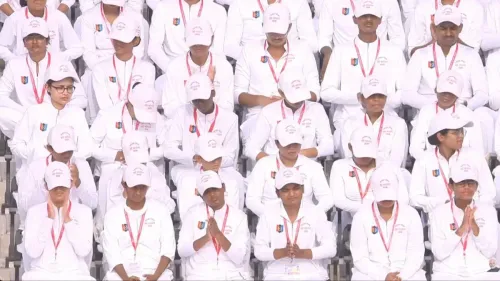
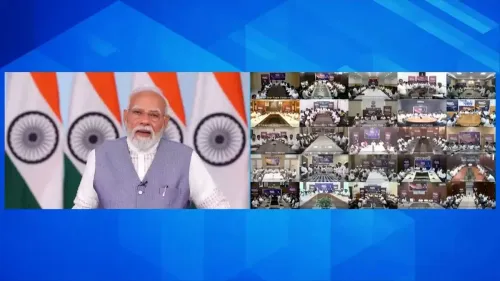
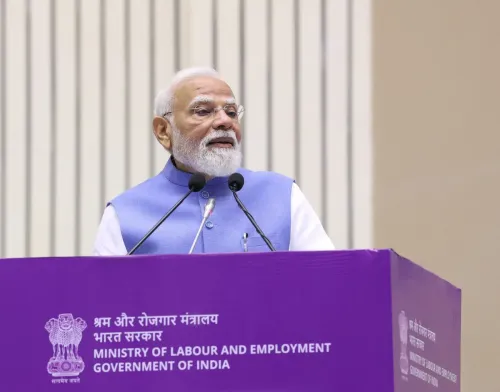
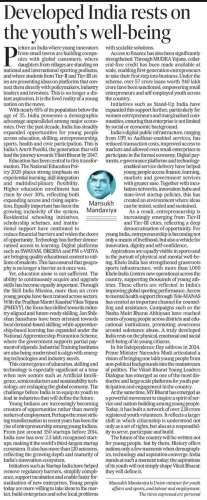
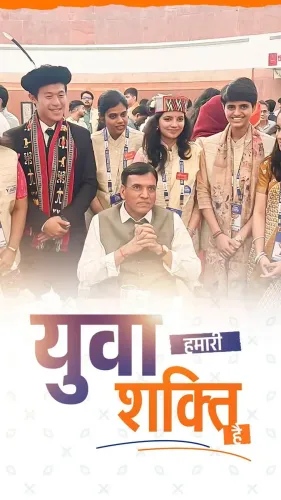
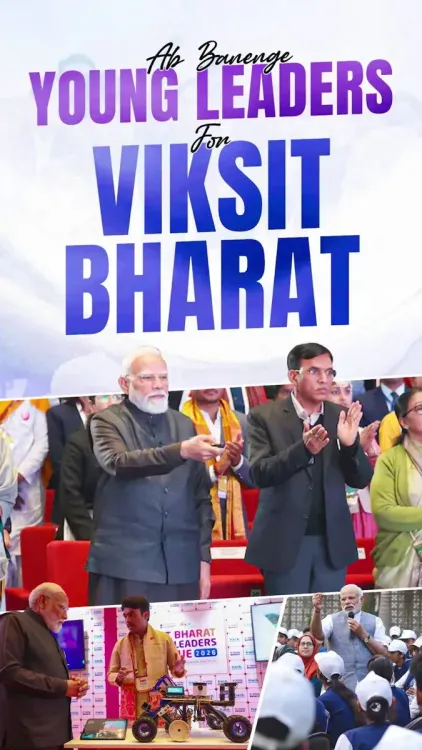
Union Labour and Sports Minister Mansukh Mandaviya on Thursday, 28 May 2026, underscored the centrality of youth leadership to India's Viksit Bharat goal, posting a pointed equation on X: 'Youth + Leadership = Viksit Bharat,' accompanied by a video.
Context
The post distils a governing philosophy that Mandaviya, as the minister holding charge of both Labour and Employment and Youth Affairs and Sports, has consistently championed. By framing youth and leadership as the two variables that produce a developed India, the minister signals that human capital — not just infrastructure or capital investment — is the intended engine of national transformation.
The message, though brief, carries institutional weight: Mandaviya oversees the Ministry of Youth Affairs and Sports, the principal federal body responsible for youth development programmes, sports promotion, and the cultivation of young civic leaders across the country.
Policy Backdrop
The Viksit Bharat @2047 vision was first articulated by Prime Minister Narendra Modi in his Independence Day address on 15 August 2022, setting a target for India to become a fully developed nation by the centenary of its independence. Since then, the goal has anchored the domestic policy agenda of the Bharatiya Janata Party-led government across ministries.
Youth-focused policy has been a consistent thread in this framework. The Skill India Mission, launched in 2015, aimed to train millions of young Indians for employment and leadership roles, and successive budgets have expanded allocations for sports infrastructure, entrepreneurship, and vocational training. The current government has repeatedly argued that India's demographic dividend — with more than 65 per cent of the population below the age of 35 — is its single greatest strategic asset in meeting the 2047 target.
Stakeholders and Impact
The primary stakeholders are India's vast youth population and the institutions — schools, colleges, skill centres, and sports academies — that shape their trajectories. For young Indians entering the workforce or civic life, the political emphasis on youth leadership translates into expectations of expanded programme budgets, mentorship initiatives, and opportunities in governance and public life.
The Ministry of Youth Affairs and Sports administers flagship schemes including the Nehru Yuva Kendra Sangathan (NYKS) and the National Youth Corps, both of which are designed to channel youth energy into community development and leadership. Any policy rollout stemming from this renewed emphasis would directly affect millions enrolled in or eligible for these programmes.
What's Next
Observers will watch for concrete announcements from the Ministry of Youth Affairs and Sports — including new youth leadership modules, expanded skill-training targets, or legislative proposals on youth employment — that give operational shape to the minister's stated equation. Parliamentary discussions on pending youth employment bills are also expected to reflect this framing. The broader question is whether the government translates the political messaging into measurable programme outcomes ahead of the 2047 horizon.
Point of View
Aspirational slogan at a time when the government is keen to energise young voters and programme beneficiaries. Viewed against the broader arc of BJP governance since 2014, this is consistent with a strategy of tying every major ministry's work to the 2047 horizon, creating a unified political brand around long-term national development. The real test, analysts note, will be whether the rhetorical investment in youth leadership is matched by budget allocations and measurable outcomes in the ministry's flagship schemes.
NationPress
20 Sept 2026
Frequently Asked Questions
What is Viksit Bharat and who announced it?
Viksit Bharat @2047 is India's national vision to become a fully developed country by 2047, the centenary of independence. It was first announced by Prime Minister Narendra Modi in his Independence Day address on 15 August 2022.
What did Mansukh Mandaviya post about youth and Viksit Bharat?
On 28 May 2026, Union Minister Mansukh Mandaviya posted 'Youth + Leadership = Viksit Bharat' on X, along with a video, emphasising that youth leadership is essential to achieving India's 2047 developed-nation goal.
What ministry does Mansukh Mandaviya head?
Mansukh Mandaviya holds charge of two Union ministries: the Ministry of Labour and Employment, and the Ministry of Youth Affairs and Sports.
What government schemes support youth leadership in India?
Key schemes include the Skill India Mission (launched 2015), the Nehru Yuva Kendra Sangathan, and the National Youth Corps, all of which are designed to develop skills, civic engagement, and leadership among Indian youth.
Why is India's youth population important for Viksit Bharat?
More than 65 per cent of India's population is below the age of 35, giving the country a large demographic dividend. The government argues that channelling this young workforce into skilled, leadership-oriented roles is essential for meeting the Viksit Bharat @2047 targets.