Mandaviya Echoes Modi's Youth Vision on Independence Day
Synopsis
On Independence Day, Union Minister Mansukh Mandaviya amplified PM Modi's declaration that India's youth are the biggest drivers and beneficiaries of the Viksit Bharat 2047 vision, reinforcing the government's consistent demographic-dividend narrative across labour and youth policy.
Key Takeaways
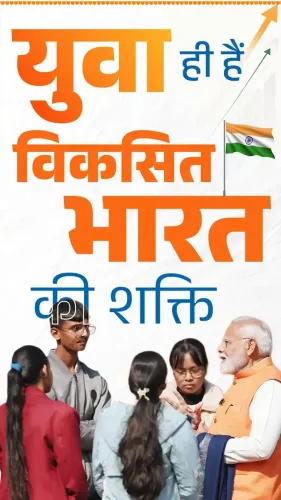
Union Minister Mansukh Mandaviya shared PM Narendra Modi 's Independence Day quote on August 15 emphasising youth as central to Viksit Bharat.
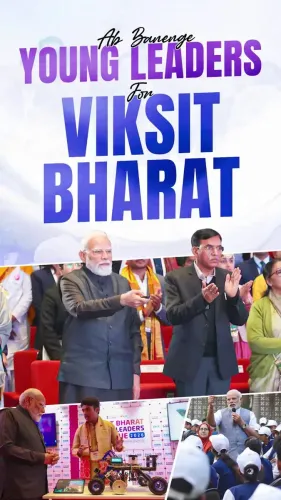
PM Modi stated that youth are both the primary drivers and the 'biggest beneficiaries' of the Viksit Bharat developed-nation vision.
Viksit Bharat targets transforming India into a fully developed nation by 2047 , the centenary of independence.
The Skill India Mission , launched in 2015 , remains a foundational pillar linking youth empowerment to the 2047 goal.
Mandaviya's dual portfolio — Labour and Employment, and Youth Affairs and Sports — places him at the policy intersection this message targets.
Policy watchers are tracking the next Union Budget and any revision to the National Youth Policy for concrete follow-through.
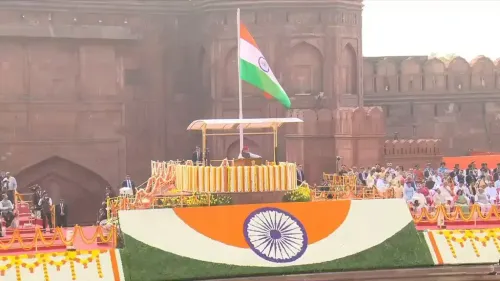
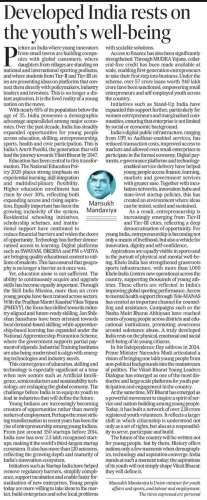
On Independence Day, August 15, Union Minister for Labour, Employment, Youth Affairs and Sports Mansukh Mandaviya amplified a defining message from Prime Minister Narendra Modi — that India's youth are not merely participants in the nation's development story, but its most consequential beneficiaries.
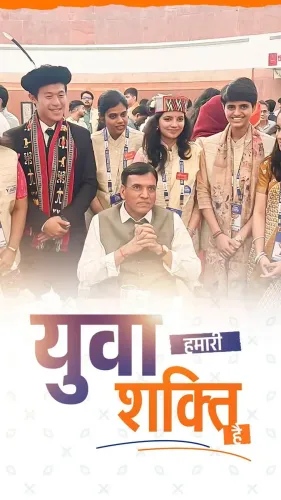
Mandaviya shared the Prime Minister's words: 'विकसित भारत की यात्रा में युवाओं की बहुत बड़ी भूमिका है... विकसित भारत का सबसे बड़ा लाभार्थी भी मेरे देश का युवा है।' — 'The youth have a very large role in the journey of Viksit Bharat... the biggest beneficiary of Viksit Bharat is also the youth of my country.'
Viksit Bharat and the Youth Dividend
Viksit Bharat — the government's flagship vision to transform India into a fully developed nation by 2047, the centenary of independence — places youth at the centre of its architecture. With India holding one of the world's largest youth populations, the demographic dividend is both the opportunity and the argument: a trained, employed, entrepreneurial generation is the engine that gets the country there.
This framing is not new, but it is deliberate. Since the Skill India Mission launched in 2015, successive policy frameworks across multiple ministries have consistently linked youth empowerment to the broader developed-nation target. Independence Day provides the highest-visibility stage to renew that compact between government and the next generation.
Why the Labour and Sports Minister Is Carrying This Message
Mandaviya's portfolio sits precisely at the intersection of this vision. As the minister overseeing both labour and employment policy and youth affairs and sports, he holds two of the most direct levers for translating the Viksit Bharat promise into tangible outcomes — jobs, skilling, and the soft-power platform of competitive sport. Amplifying the Prime Minister's Independence Day words is, in that sense, also a signal of ministerial direction.
The broader pattern is consistent: every Independence Day address in recent years has returned to the youth-as-driver narrative, and every ministry with a youth-facing mandate echoes it outward. The real test, as policy watchers note, will come in the next Union Budget's allocations for skilling and employment, and in any revision to the National Youth Policy.
India's 2047 deadline is exactly two decades away. The youth being addressed today will be the workforce, the voters, and the leaders who either deliver that vision — or don't.
Point of View
Every occasion, every demographic group eventually gets mapped onto the 2047 target. The real political question is whether the skilling and employment machinery can generate outcomes fast enough to sustain the promise. Independence Day rhetoric sets the bar; budget allocations and employment data will determine whether it holds.
NationPress
29 Sept 2026
Frequently Asked Questions
What is Viksit Bharat and how does it relate to youth?
Viksit Bharat is the Indian government's vision to make India a fully developed nation by 2047, the centenary of independence. Youth are positioned as both the primary drivers of this transformation and its biggest beneficiaries, with schemes like Skill India Mission designed to harness India's large youth population as a demographic dividend.
What did PM Modi say about youth on Independence Day?
PM Modi stated that youth have a 'very large role' in the journey of Viksit Bharat and that the youth of India are the 'biggest beneficiaries' of the developed-nation vision. Union Minister Mandaviya shared this quote on Independence Day, August 15.
What is Mansukh Mandaviya's role in youth policy?
Mansukh Mandaviya is the Union Minister for Labour and Employment and Youth Affairs and Sports. His portfolio directly oversees employment, skilling, and youth development programmes, placing him at the centre of the government's Viksit Bharat youth agenda.
What is the Skill India Mission?
The Skill India Mission was launched in 2015 to provide vocational training and improve employability among Indian youth. It is one of the foundational programmes linking the government's demographic-dividend narrative to the 2047 developed-nation target.
What should we watch for next on India's youth policy?
Policy watchers are tracking the next Union Budget for allocations to youth employment and skilling programmes, as well as any revisions to the National Youth Policy, which will indicate how the Viksit Bharat youth vision translates into concrete government action.