Rijiju Hails PM Modi's First NZ Visit in 40 Years
Synopsis
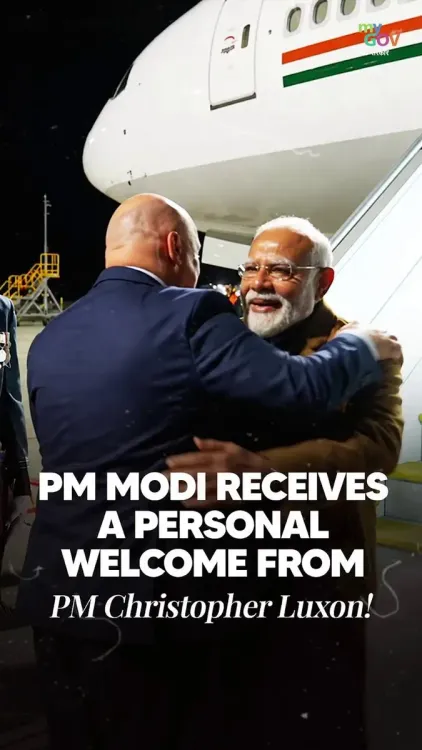
Union Parliamentary Affairs Minister Kiren Rijiju has welcomed PM Narendra Modi's visit to New Zealand — the first by an Indian Prime Minister in nearly 40 years — as PM Christopher Luxon personally received Modi in Auckland to advance ties in trade, innovation, education, and people-to-people relations.
Key Takeaways
PM Narendra Modi is visiting New Zealand — the first Indian Prime Minister to do so in nearly 40 years .
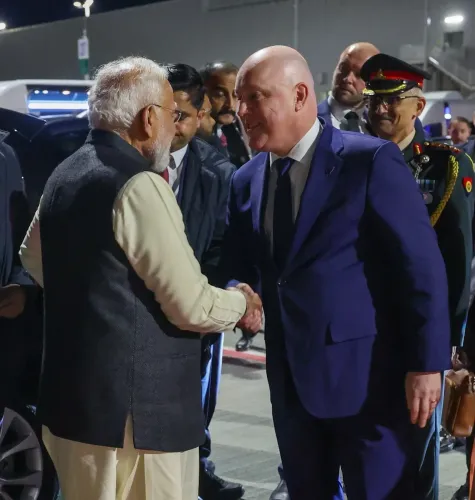
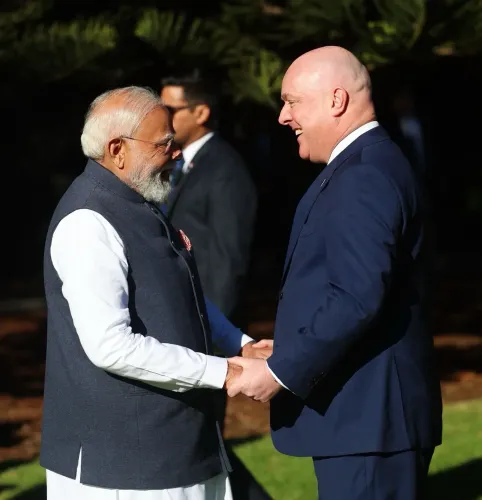
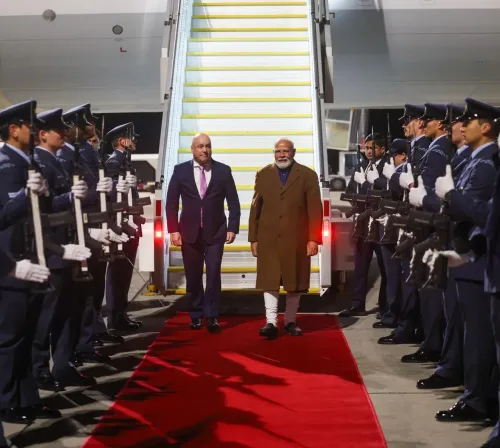
New Zealand PM Christopher Luxon personally welcomed PM Modi upon arrival in Auckland .
Union Minister Kiren Rijiju described the visit as opening new avenues in trade, innovation, education, and people-to-people ties.
India and New Zealand have maintained diplomatic ties since 1950 and began free trade agreement negotiations in 2010 .
The visit is part of India's broader Indo-Pacific outreach strategy to diversify economic and strategic partnerships.
Follow-up announcements on trade or education agreements are expected in the coming days.
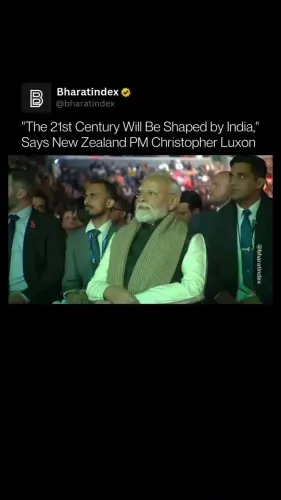
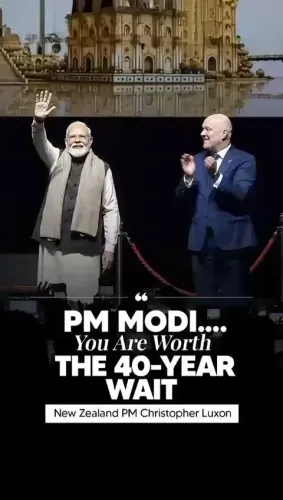
Union Parliamentary Affairs Minister Kiren Rijiju on Friday, 10 July 2026 welcomed Prime Minister Narendra Modi's landmark visit to New Zealand, describing it as a milestone that opens new avenues for cooperation in trade, innovation, education, and people-to-people ties. The visit marks the first by an Indian Prime Minister to New Zealand in nearly 40 years, with New Zealand Prime Minister Christopher Luxon personally receiving PM Modi in Auckland.
Context
Rijiju, a senior BJP leader from Arunachal Pradesh, posted on X noting that PM Luxon 'personally welcomed' PM Modi to Auckland, underlining the significance both sides attach to the visit. The minister described the occasion as carrying 'a warm welcome and a promising future', reflecting the optimism in New Delhi over deepening ties with the Pacific nation. The last comparable high-level visit from India to New Zealand at the prime ministerial level dates back nearly four decades.
Policy Backdrop
India and New Zealand have maintained diplomatic relations since 1950, with formal negotiations toward a bilateral free trade agreement launched as far back as 2010. Those talks, covering expanded market access in goods and services, have seen intermittent progress over the years. PM Modi's visit comes in the context of India's broader Indo-Pacific outreach, through which New Delhi has sought to diversify economic and strategic partnerships beyond its immediate neighbourhood and traditional major-power relationships.
New Zealand under Prime Minister Luxon, who took office in late 2023 leading a National-led government, has signalled a sharper focus on trade and economic partnerships. The bilateral agenda is expected to encompass trade facilitation, innovation collaboration, education exchanges, and the strengthening of people-to-people ties — areas specifically highlighted in Rijiju's post.
Stakeholders and Impact
Indian exporters stand to benefit from any forward movement on the long-pending free trade agreement, which could improve market access for goods and services in both directions. The New Zealand dairy sector, a significant part of that country's export economy, has historically been a sensitive point in trade negotiations with India, given domestic sensitivities around agricultural imports. Education is another key pillar, with a substantial Indian student community already present in New Zealand and both governments keen to formalise and expand those links.
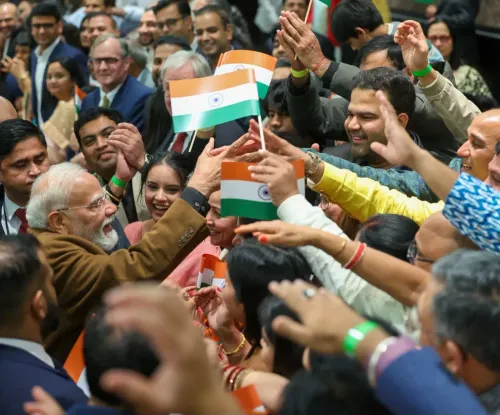
People-to-people ties — including the Indian diaspora in New Zealand — form an important dimension of the relationship. High-level visits of this nature typically provide political momentum for community-level engagement and cultural programmes that follow in their wake.
What's Next
Observers will watch closely for any formal announcements emerging from the bilateral meetings in Auckland, particularly on trade or education agreements that could give institutional shape to the renewed engagement. Any joint statement or memoranda of understanding signed during the visit will be scrutinised for concrete deliverables beyond the diplomatic symbolism of the occasion. Parliamentary statements in both New Delhi and Wellington in the days following the visit are expected to shed further light on the outcomes and the roadmap for the relationship going forward.
Point of View
The first in nearly four decades, signals that India's Indo-Pacific strategy is moving beyond rhetoric into high-level diplomatic action in the Pacific. The personal welcome by PM Luxon underscores that Wellington, too, sees value in elevating this relationship at a moment when both nations are seeking to diversify trade and strategic ties. For New Delhi, the visit fits a clear pattern of using prime ministerial travel to unlock stalled frameworks — most notably the long-pending free trade agreement that has remained unresolved since 2010. The political messaging from a senior minister like Rijiju also suggests the ruling dispensation intends to project this visit as a foreign policy achievement ahead of the domestic political calendar.
NationPress
9 Oct 2026
Frequently Asked Questions
When was the last time an Indian Prime Minister visited New Zealand?
The current visit by PM Narendra Modi in July 2026 is the first by an Indian Prime Minister to New Zealand in nearly 40 years, making it a landmark diplomatic occasion.
What is the agenda for PM Modi's New Zealand visit?
The visit is focused on advancing cooperation in trade, innovation, education, and people-to-people ties, with both governments expected to discuss the long-pending bilateral free trade agreement.
Who is New Zealand's Prime Minister in 2026?
Christopher Luxon is the Prime Minister of New Zealand, having taken office in late 2023 after leading the National Party to victory. He personally welcomed PM Modi in Auckland.
What is the status of the India-New Zealand free trade agreement?
India and New Zealand launched free trade agreement negotiations in 2010 to expand market access in goods and services, but the talks have seen intermittent progress and no final deal has been concluded.
Why did Kiren Rijiju post about PM Modi's New Zealand visit?
As Union Parliamentary Affairs Minister and a senior BJP leader, Rijiju frequently amplifies significant diplomatic milestones involving the Indian government, framing the visit as a moment of 'warm welcome and a promising future' for bilateral ties.