CM Hemant Soren Showcases Jharkhand Culture at Delhi Diplomatic Event
Synopsis
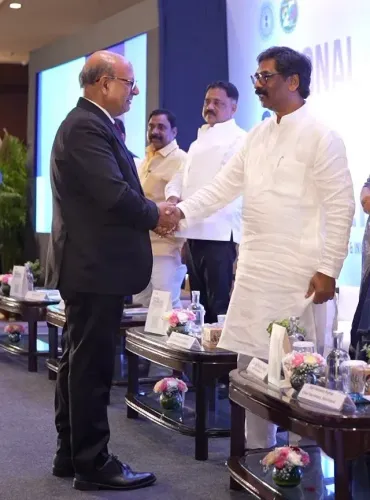
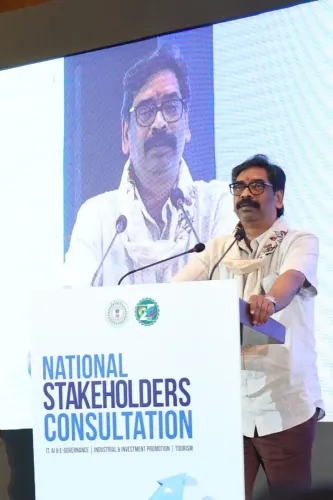
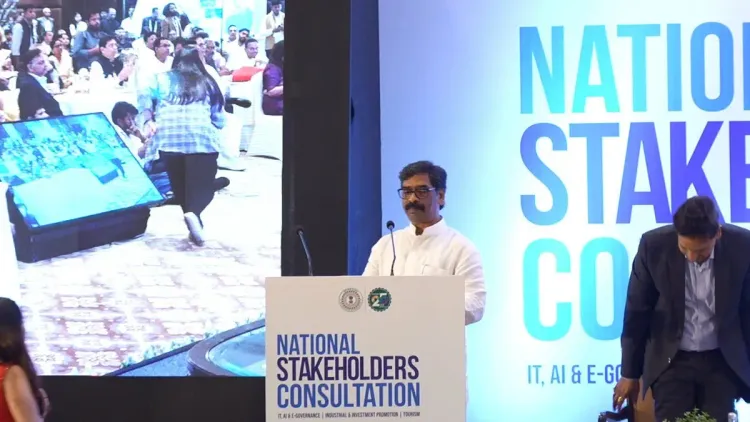
Jharkhand Chief Minister Hemant Soren attended the closing Cultural Evening of the National Stakeholders Consultation in New Delhi on 10 July 2026, meeting diplomats from several countries, senior officials, and media representatives, and presenting Jharkhand's tribal culture, cuisine, and heritage.
Key Takeaways
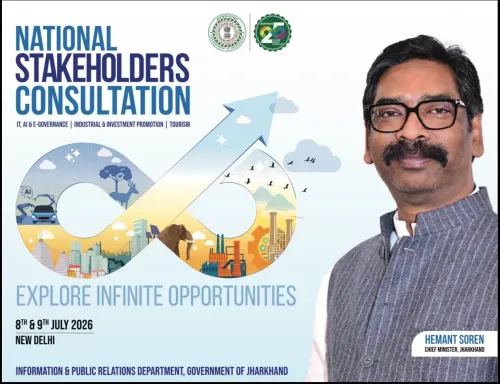
Chief Minister Hemant Soren attended the closing ceremony of the National Stakeholders Consultation in New Delhi on 10 July 2026 .
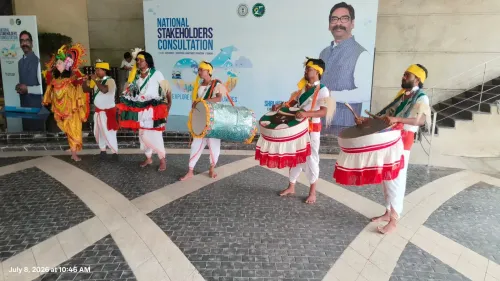
A Cultural Evening and Dinner Reception was organised as part of the closing programme.
Diplomats from multiple countries , senior officials, and media representatives were present at the event.
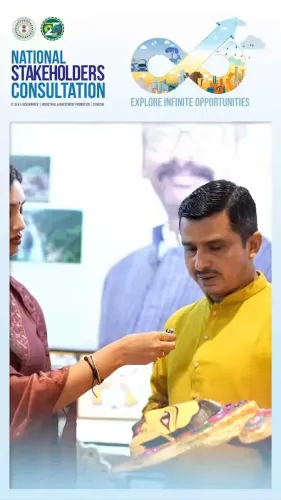
The programme featured a presentation of Jharkhand's culture, civilisation, cuisine, and heritage.
Soren closed his post with Johar , the traditional tribal greeting of Jharkhand, signalling the cultural identity at the heart of the outreach.
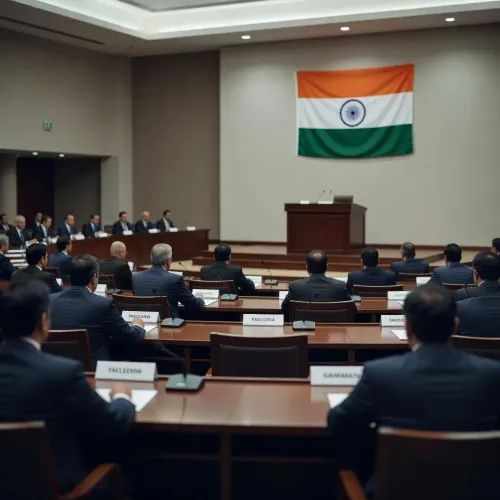
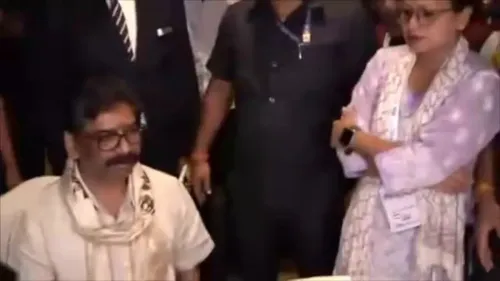
Jharkhand Chief Minister Hemant Soren attended the closing ceremony of the National Stakeholders Consultation in New Delhi on Friday, 10 July 2026, where a Cultural Evening and Dinner Reception was organised, bringing together diplomats from multiple countries, senior officials, and media representatives to witness a showcase of Jharkhand's heritage.
Context
Soren posted on X, describing the event as a gathering where he met 'kई देशों के राजनयिकों, कई वरिष्ठ अधिकारियों, मीडिया जगत के प्रतिनिधियों' ('diplomats from several countries, several senior officials, and representatives of the media world'). He noted that the programme featured a remarkable presentation of the state's 'rich culture, civilisation, cuisine and heritage,' closing with the traditional Jharkhand greeting Johar.
The event marked the conclusion of the National Stakeholders Consultation, a formal multi-stakeholder dialogue platform. The Cultural Evening served as the closing reception, using soft-power outreach to leave participants with an impression of Jharkhand's distinct identity.
Policy Backdrop
Indian state governments routinely leverage national consultations held in New Delhi to project regional identity before a concentrated audience of diplomats and policy influencers. For Jharkhand, a state rich in mineral resources and home to one of India's largest tribal populations, such platforms carry particular significance — they offer a rare opportunity to reframe the state's image beyond its industrial and extractive economy.
The Jharkhand Mukti Morcha-led government under Soren has consistently emphasised tribal welfare and cultural pride as twin pillars of governance since the party's founding ideology in 1972 centred on tribal rights and regional autonomy. Cultural diplomacy of this kind aligns with that broader political identity, reinforcing Jharkhand's distinct civilisational narrative to an international audience.
Stakeholders and Impact
The presence of diplomats from multiple countries at the reception signals potential soft-diplomacy dividends for Jharkhand — particularly in areas such as tourism promotion, cultural exchange, and investment outreach. Media representatives in attendance could amplify the state's cultural profile at both national and international levels.
Senior officials from the central government were also present, making the event a dual-purpose engagement: projecting state identity outward while reinforcing Jharkhand's standing within federal policy circles. The Johar greeting — a traditional salutation indigenous to the tribal communities of Jharkhand — served as a symbolic anchor for the state's cultural presentation.
What's Next
The conclusions and any formal outcomes of the National Stakeholders Consultation are expected to shape subsequent policy or initiative announcements. Observers will watch whether the cultural outreach translates into concrete follow-ups such as state tourism drives, cultural exchange agreements, or investment dialogues with diplomatic missions that attended the reception. Chief Minister Soren's direct engagement with the diplomatic community suggests the state government views such events as an active tool of international outreach, not merely ceremonial participation.
Point of View
Soren is positioning the state not merely as a mineral-rich industrial zone but as a culturally distinct entity worthy of diplomatic attention. This approach mirrors a wider trend among state governments seeking to build sub-national international linkages within India's federal framework. The use of the traditional Johar greeting as a closing salutation is a deliberate political-cultural signal, reinforcing the JMM's tribal roots to a cosmopolitan audience.
NationPress
10 Oct 2026
Frequently Asked Questions
What is the National Stakeholders Consultation that Hemant Soren attended?
The National Stakeholders Consultation is a formal multi-stakeholder dialogue platform held in New Delhi. Chief Minister Hemant Soren attended its closing ceremony on 10 July 2026, which featured a Cultural Evening and Dinner Reception.
Why did Jharkhand hold a cultural evening for diplomats in Delhi?
State governments use national consultations in Delhi to showcase regional identity to foreign diplomats and media. Jharkhand's Cultural Evening presented the state's tribal culture, cuisine, and heritage to build soft-power linkages with the diplomatic community.
What does 'Johar' mean in Jharkhand?
'Johar' is a traditional greeting indigenous to the tribal communities of Jharkhand. Chief Minister Hemant Soren used it to close his post about the event, reflecting the JMM government's emphasis on tribal cultural identity.
Who attended the Cultural Evening at the National Stakeholders Consultation in New Delhi?
According to Chief Minister Soren's post, diplomats from several countries, senior government officials, and media representatives attended the Cultural Evening and Dinner Reception on 10 July 2026.
What is Hemant Soren's political party?
Hemant Soren is the executive president of the Jharkhand Mukti Morcha (JMM), a regional party founded in 1972 that advocates for tribal rights and regional autonomy in Jharkhand.