Jharkhand CMO Showcases State Heritage at National Consultation
Synopsis
The Chief Minister's Office of Jharkhand showcased the state's invaluable tribal heritage at a National Stakeholders Consultation on 9 July 2026, tagging VisitJharkhand under the 'Jharkhand Se Johar' campaign to advance cultural tourism at the national level.
Key Takeaways
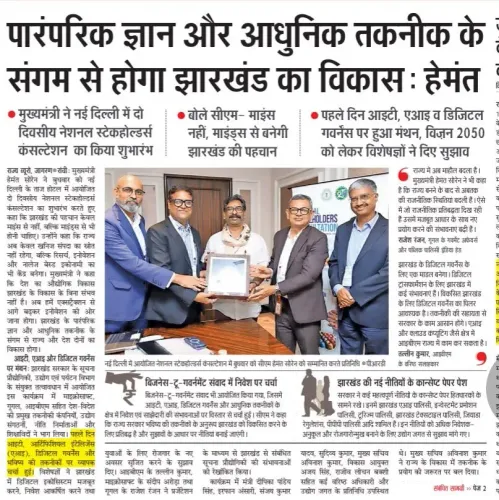
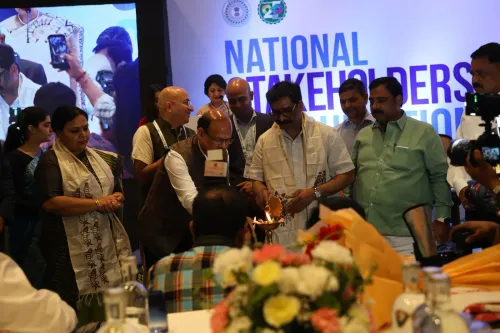
The Chief Minister's Office of Jharkhand posted about a National Stakeholders Consultation held on 9 July 2026 , where the state's cultural heritage was showcased.
The post was tagged with @VisitJharkhand and @jhr_doi , linking cultural promotion with industrial and tourism bodies.
The hashtag #JharkhandSeJohar anchors the outreach to the state's official tourism branding campaign, where Johar is a traditional Adivasi greeting.
Jharkhand, formed in 2000 , is home to notable tribal traditions including Chhau dance and Sohrai art , which the state has consistently promoted at national platforms.
Such consultations are a key mechanism through which state governments seek recognition, funding, and inclusion in national tourism and heritage circuits.
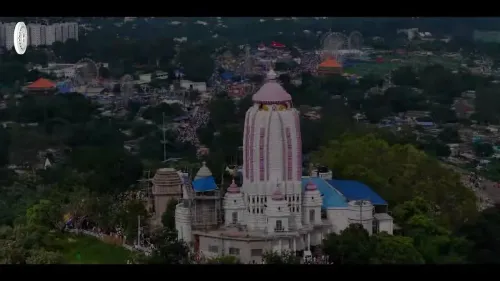
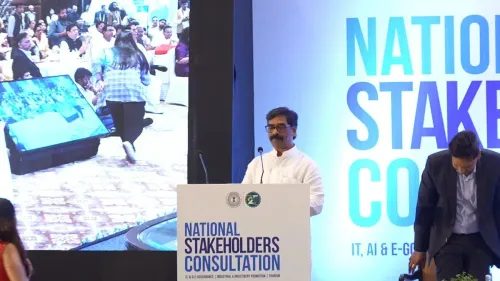
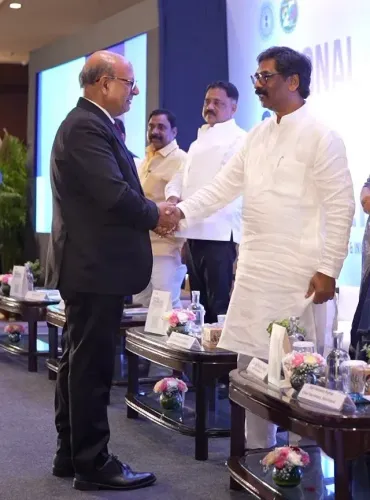
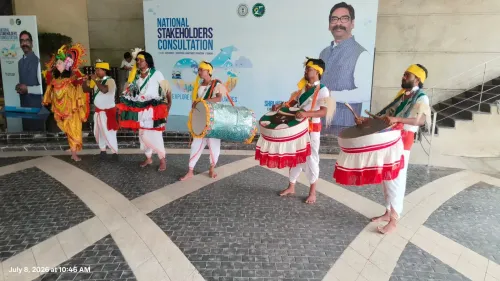
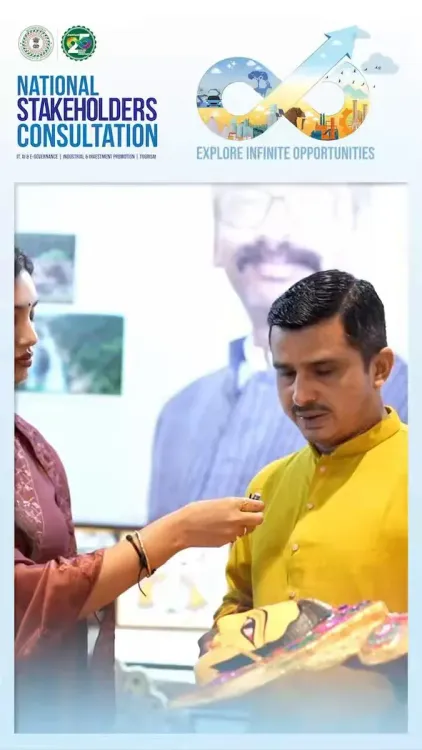
The Chief Minister's Office of Jharkhand shared glimpses of the state's rich cultural heritage on Thursday, 9 July 2026, highlighting the occasion of a National Stakeholders Consultation, where Jharkhand's invaluable traditions and heritage were put on display for a national audience.
The post, tagged with @jhr_doi (Department of Industries, Jharkhand), @VisitJharkhand, and the hashtag #JharkhandSeJohar, stated: 'National Stakeholders Consultation ke dauran rajya ki amulya dharoharon ki jhalak dekhne ko mili' — meaning, 'During the National Stakeholders Consultation, glimpses of the state's invaluable heritage were witnessed.'
Context
Jharkhand, carved out of Bihar in November 2000, is home to a diverse mosaic of tribal communities whose art, dance, and oral traditions form the backbone of the state's cultural identity. Prominent among these are the Chhau dance, a martial dance form with UNESCO recognition, and Sohrai art, a mural tradition practised by tribal women. National-level consultations provide the state government a platform to bring these traditions before policymakers and stakeholders from across the country.
The CMO's decision to tag VisitJharkhand — the state's official tourism promotion body — signals that the cultural showcase was also intended to advance the state's tourism narrative under the 'Jharkhand Se Johar' campaign.
Policy Backdrop
Since its formation, Jharkhand has worked to build a distinct identity separate from its mineral-rich economic profile, actively branding its tribal heritage for domestic and international tourism. The 'Jharkhand Se Johar' slogan — where Johar is a traditional greeting of the Adivasi communities — has become the cornerstone of this cultural branding effort.
State governments across India regularly use national consultations as strategic moments to seek recognition, funding allocations, or inclusion in centrally-sponsored tourism circuits. Jharkhand has consistently leveraged such platforms to position its tribal culture alongside its industrial economy, pushing for a more balanced representation of the state's identity at the national level.
Stakeholders and Impact
Tribal communities across Jharkhand stand as the primary stakeholders in any outcome from such consultations, as recognition of their heritage at the national level can translate into funding for cultural preservation, infrastructure at heritage sites, and inclusion in national tourism maps. The tourism sector — including local artisans, performers, and hospitality providers — also stands to benefit directly from increased visibility.
The involvement of @jhr_doi alongside the tourism body suggests a convergence of industrial and cultural policy interests, reflecting the state government's intent to position heritage tourism as an economic driver alongside traditional industries.
What's Next
Observers will watch for any follow-up announcements stemming from the National Stakeholders Consultation, particularly regarding heritage site development, integration of Jharkhand's cultural assets into national tourism schemes, or new funding commitments for tribal art and cultural preservation. The consultation could also serve as a precursor to formal proposals under central government programmes focused on heritage promotion and domestic tourism growth.
The broader implication is clear: Jharkhand is using every available national platform to ensure its cultural wealth is not overshadowed by its mineral wealth — a strategic shift that could reshape how the state is perceived and prioritised in India's tourism and cultural policy landscape.
Point of View
Using a national consultation as a stage to assert Jharkhand's identity beyond its mineral economy. By looping in both the tourism body and the department of industries, the government is signalling a convergence of economic and cultural strategy. This mirrors a broader pattern among smaller Indian states seeking to diversify their economic narratives through heritage tourism. The 'Jharkhand Se Johar' campaign is steadily evolving from a marketing slogan into a policy instrument.
NationPress
7 Oct 2026
Frequently Asked Questions
What is the National Stakeholders Consultation Jharkhand participated in?
The National Stakeholders Consultation is a platform where states present their assets, needs, and priorities to national-level stakeholders, including policymakers and industry representatives. Jharkhand used the July 2026 edition to showcase its tribal cultural heritage.
What does 'Jharkhand Se Johar' mean?
'Jharkhand Se Johar' translates to 'Johar from Jharkhand,' where Johar is a traditional greeting used by Adivasi communities of the state. It is the official slogan of Jharkhand's tourism promotion campaign run by VisitJharkhand.
What is VisitJharkhand?
VisitJharkhand is the official tourism promotion body of the Jharkhand government, responsible for marketing the state's natural landscapes, tribal culture, and heritage sites to domestic and international tourists.
What cultural traditions is Jharkhand known for?
Jharkhand is known for the Chhau dance, a martial dance form with UNESCO recognition, and Sohrai art, a mural tradition practised by tribal women. The state also has a rich heritage of Adivasi music, festivals, and crafts.
Why does Jharkhand promote its heritage at national consultations?
State governments use national consultations to seek recognition, funding, and inclusion in centrally-sponsored schemes. For Jharkhand, showcasing its tribal heritage helps secure resources for cultural preservation and positions the state in national tourism circuits.