CM Dhami: Cultural Heritage Protection Is Govt Priority
Synopsis
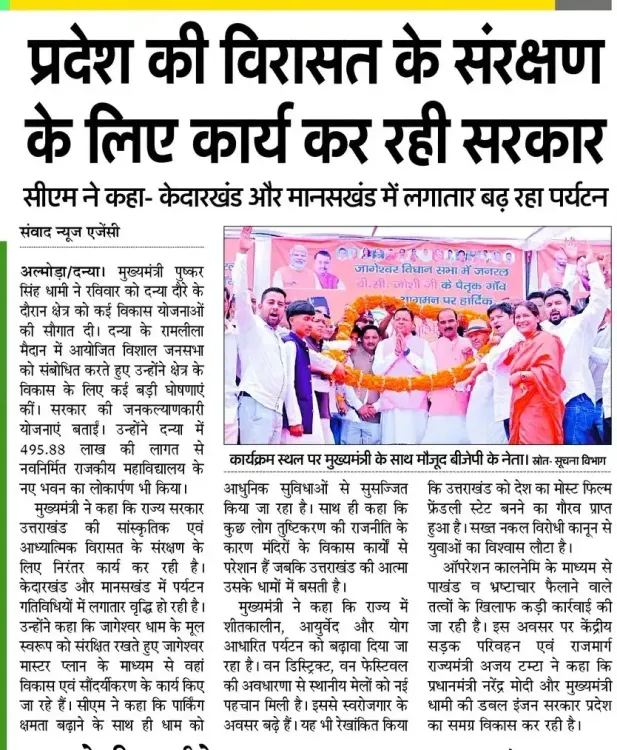
Chief Minister Pushkar Singh Dhami's office declared on 22 June 2026 that protecting Uttarakhand's cultural heritage is a government priority, spotlighting the Himalayan state's Garhwali and Kumaoni traditions amid broader national conservation efforts.
Key Takeaways
The Chief Minister's Office of Uttarakhand officially stated on 22 June 2026 that cultural heritage preservation is a top government priority under CM Pushkar Singh Dhami .
Uttarakhand , formed in 2000 , encompasses distinct Garhwali and Kumaoni cultural traditions, including folk music, dance, dialects, and major pilgrimage sites.
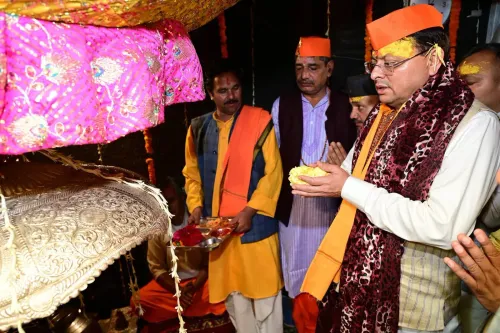
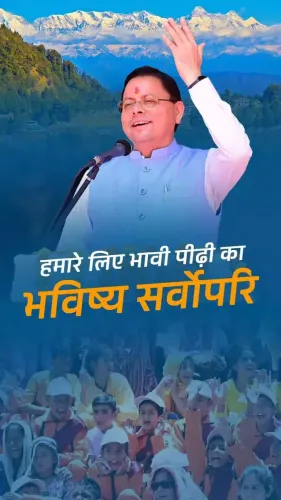
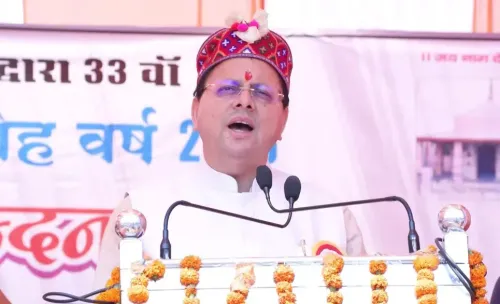
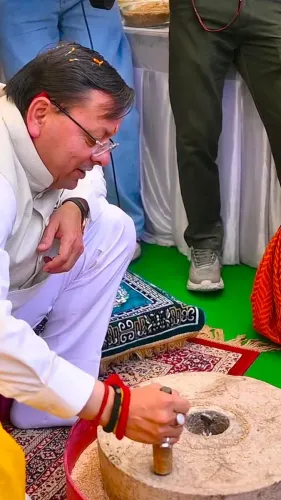
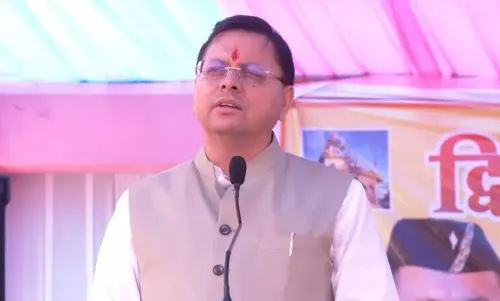
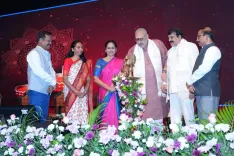
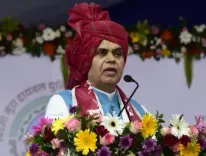
The post was accompanied by three images , indicating a formal government communication rather than a routine update.
Past conservation efforts in the state were accelerated following the 2013 Kedarnath floods , which damaged numerous temples and heritage sites.
Stakeholders including local artisans, cultural practitioners, and the tourism sector stand to benefit if the stated priority leads to funded schemes or budget allocations.
Policy watchers will monitor upcoming state budget announcements and new heritage schemes for concrete follow-through on this declaration.
The Chief Minister's Office of Uttarakhand, posting on behalf of Chief Minister Pushkar Singh Dhami, declared on Monday, 22 June 2026 that the preservation of cultural heritage is a top priority of the state government. The statement, shared via the official CMO account, underscores the Dhami administration's continuing emphasis on protecting the Himalayan state's rich Garhwali and Kumaoni traditions.
The post, in Hindi, reads: 'Sanskritik virasat ka sanrakshan sarkar ki prathamikta: Mukhyamantri Shri Pushkar Singh Dhami' — translated as 'Preservation of cultural heritage is the government's priority: Chief Minister Shri Pushkar Singh Dhami.' The declaration was accompanied by three images, signalling a formal, curated communication rather than a casual update.
Context
Uttarakhand, carved out as a separate Himalayan state in 2000, holds one of the most distinctive cultural landscapes in India. Its twin regional identities — Garhwali in the western hills and Kumaoni in the eastern ranges — encompass folk music, dance forms, dialects, festivals, and centuries-old temple traditions. The state is also home to major pilgrimage circuits, including the Char Dham route, which intertwines religious practice with living cultural heritage. CM Dhami, who has helmed the state since 2021, has repeatedly positioned cultural identity as a pillar of governance alongside infrastructure and economic development. This latest statement reinforces that posture at a public level.Policy Backdrop
Uttarakhand's cultural conservation efforts carry a particular historical weight. The devastating 2013 Kedarnath floods severely damaged temples and heritage sites across the state, prompting successive governments to launch restoration and reconstruction programmes. Those efforts established a template for linking cultural stewardship with disaster resilience and state identity. At the national level, the Ministry of Culture has been actively documenting and conserving intangible heritage — folk music, oral traditions, ritual practices — under several schemes. Uttarakhand's state-level emphasis mirrors and complements this broader national push, with hill states increasingly treating cultural assets as both identity markers and drivers of tourism revenue.Stakeholders and Impact
The communities most directly affected by any heritage conservation initiative are the local artisans, folk performers, priests, and rural communities whose livelihoods and identities are tied to traditional practices. A government priority declaration of this nature signals potential budgetary and administrative attention toward festivals, museums, language preservation, and heritage-site maintenance. The tourism sector stands to benefit significantly. Uttarakhand draws millions of pilgrims and nature tourists annually, and robust cultural programming can deepen visitor engagement and extend seasonal appeal. Cultural practitioners — dancers, musicians, weavers — could see renewed institutional support if the stated priority translates into funded schemes.What's Next
The key question is whether this declaration will be followed by concrete policy measures. Observers will watch for state budget announcements, new heritage conservation schemes, or specific allocations for museums, folk-arts academies, and festival support in the months ahead. Statements of priority from a Chief Minister's office typically precede or accompany formal programme launches, making the coming weeks significant for cultural stakeholders in the state. If Uttarakhand backs this commitment with structured funding and institutional mechanisms, it could set a benchmark for other Indian hill states navigating the balance between rapid infrastructure growth and the preservation of fragile, place-specific cultural traditions.Point of View
Where identity politics and development are increasingly intertwined. Hill states across India have discovered that cultural branding serves a dual purpose — reinforcing regional pride while monetising heritage through tourism — and Uttarakhand is no exception. The statement arrives at a moment when the national policy environment actively incentivises states to align with culture-led development narratives. Whether this translates into structural investment or remains aspirational rhetoric will be the real test of the administration's commitment.
NationPress
20 Sept 2026
Frequently Asked Questions
What did CM Pushkar Singh Dhami say about cultural heritage in Uttarakhand?
CM Pushkar Singh Dhami's office declared on 22 June 2026 that the preservation of cultural heritage is a top priority of the Uttarakhand government, with the statement shared officially via the Chief Minister's Office account on X.
What cultural traditions does Uttarakhand seek to protect?
Uttarakhand's cultural landscape includes Garhwali and Kumaoni traditions — folk music, dance, dialects, festivals, and centuries-old temple practices — as well as major pilgrimage heritage linked to sites such as the Char Dham circuit.
What is the history of heritage conservation in Uttarakhand?
Conservation efforts gained particular momentum after the 2013 Kedarnath floods , which damaged temples and cultural sites, prompting successive governments to launch restoration programmes that linked heritage protection with disaster recovery.
How does cultural heritage protection benefit Uttarakhand's economy?
Cultural heritage conservation supports the state's significant tourism sector by enriching visitor experiences, extending seasonal appeal, and providing livelihoods for artisans, folk performers, and local communities dependent on traditional practices.
What policy actions might follow CM Dhami's heritage priority statement?
Observers expect potential state budget allocations for museums, folk-arts academies, language preservation, and festival support, as well as new heritage conservation schemes that could follow such a formal priority declaration from the Chief Minister's Office.