CM Mohan Yadav: MP carving new identity in solar energy
Synopsis
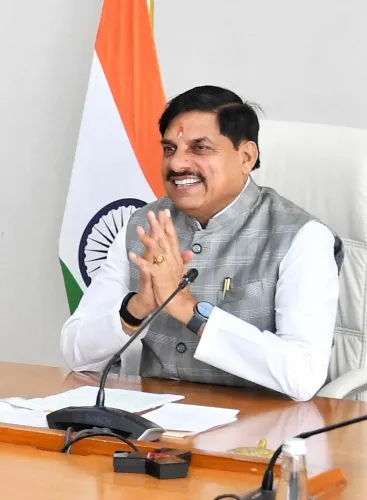
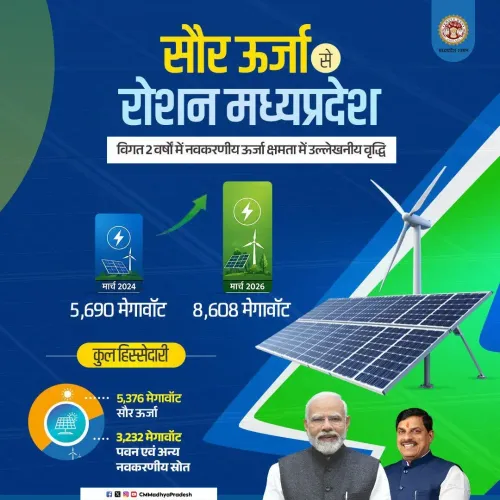
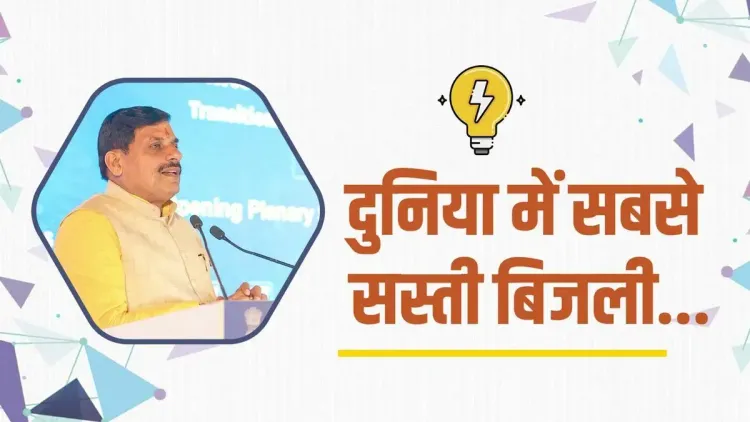
Madhya Pradesh Chief Minister Dr. Mohan Yadav announced on 6 August 2026 that the state is forging a new identity in solar energy, building on the legacy of the 750 MW Rewa Ultra Mega Solar Park and positioning MP as a key contributor to India's 500 GW clean energy target by 2030.
Key Takeaways
Mohan Yadav declared on 6 August 2026 that Madhya Pradesh is building a 'new identity' in solar energy.
The Rewa Ultra Mega Solar Park ( 750 MW , commissioned from 2017 ) established MP as an early large-scale solar state.
India's national target of 500 GW non-fossil fuel capacity by 2030 makes state-level solar momentum directly consequential.
Madhya Pradesh competes with Rajasthan, Gujarat, and Tamil Nadu for renewable energy investment and developer attention.
Yadav has held office since December 2023 and has positioned green energy as a core economic pillar of the state.
Upcoming budget sessions and assembly proceedings will be the next test for concrete policy follow-through.
Madhya Pradesh is staking its claim as a serious player in India's solar revolution. Madhya Pradesh Chief Minister Dr. Mohan Yadav declared on Thursday, 6 August 2026 that the state is forging a new identity in the solar energy sector — a signal that the central Indian state's renewable push is accelerating.
From Rewa's fields to a state-wide solar ambition
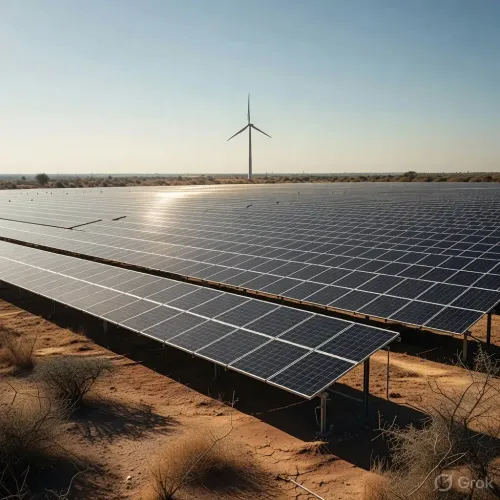
Madhya Pradesh's solar story did not begin overnight. The Rewa Ultra Mega Solar Park — a 750 MW facility in Rewa district — put the state on the national map when it was commissioned from 2017, becoming one of India's earliest large-scale solar projects and briefly holding the record for the world's lowest solar tariff at the time. That single project became a template: prove the land, the irradiance, and the policy framework work, then scale.
Madhya Pradesh sits in one of India's high-solar-irradiance belts, making it a natural candidate for utility-scale generation. Dr. Yadav's post — 'Madhya Pradesh ab saur urja ke kshetra mein nayi pehchaan bana raha hai' ('Madhya Pradesh is now building a new identity in the field of solar energy') — suggests the state government views this moment as a step-change, not incremental progress.
Where MP fits in India's 500 GW race
The national stakes are significant. India has committed to reaching 500 GW of non-fossil fuel capacity by 2030, and states are the engines of that target. Every gigawatt installed in Madhya Pradesh chips away at a federal goal that is simultaneously an energy-security imperative and a climate commitment.
The competition among states is real: Rajasthan, Gujarat, and Tamil Nadu have all aggressively courted solar developers with land banks and dedicated policies. For Madhya Pradesh to claim a 'new identity' in this space is a direct assertion that it intends to compete at that tier. Renewable energy developers watching state-level policy signals will note the Chief Minister's framing — it typically precedes fresh tenders, investment summits, or updated solar policies.
India's Jawaharlal Nehru National Solar Mission, launched in 2010, set the federal architecture within which all state-level solar expansion operates. Madhya Pradesh's current push is the latest chapter in that sixteen-year national project.
What the momentum means on the ground
Dr. Yadav, who assumed office in December 2023, has increasingly positioned green energy as a pillar of the state's economic identity alongside agriculture and industry. A chief minister publicly flagging solar momentum is rarely an isolated gesture — it typically signals upcoming policy announcements, budget allocations, or investor outreach. Upcoming state assembly sessions and budget cycles will be the next test of whether the rhetoric converts into tendered megawatts.
The state that gave India Rewa is telling the market it has more to offer. The grid is watching.
Point of View
Who took office in late 2023 and needs economic wins ahead of future electoral cycles, green energy offers a development narrative that is both nationally aligned and locally tangible. The timing also matters: with India's 2030 clean energy deadline now just four years away, states that move early on policy clarity and land allocation will capture the bulk of private capital. Whether Madhya Pradesh can convert this political signalling into gigawatts will depend on what follows in the budget and tender pipeline.
NationPress
20 Sept 2026
Frequently Asked Questions
What did CM Mohan Yadav say about solar energy in Madhya Pradesh?
CM Dr. Mohan Yadav stated on 6 August 2026 that Madhya Pradesh is building a new identity in the solar energy sector, signalling the state's accelerating renewable energy ambitions.
What is the Rewa Ultra Mega Solar Park?
The Rewa Ultra Mega Solar Park is a 750 MW solar facility in Rewa district, Madhya Pradesh, commissioned from 2017 and one of India's earliest and largest solar projects.
What is India's solar energy target by 2030?
India has set a national target of 500 GW of non-fossil fuel capacity by 2030, with states like Madhya Pradesh playing a key role in achieving it.
When did Mohan Yadav become Chief Minister of Madhya Pradesh?
Dr. Mohan Yadav assumed office as Chief Minister of Madhya Pradesh in December 2023.
How does Madhya Pradesh compare to other states in solar energy?
Madhya Pradesh competes with Rajasthan, Gujarat, and Tamil Nadu for solar investment, backed by high solar irradiance and the precedent set by the Rewa Ultra Mega Solar Park.