MP CM Yadav: Delhi Metro Runs on Madhya Pradesh Power
Synopsis
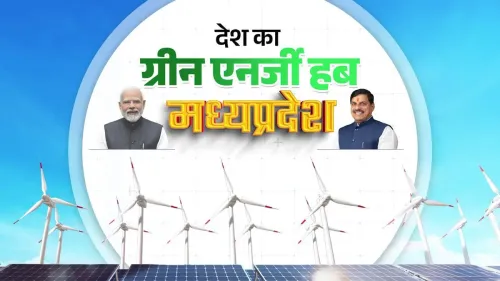
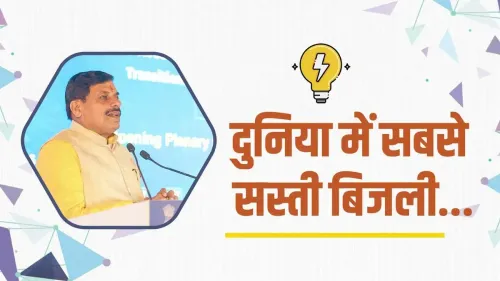
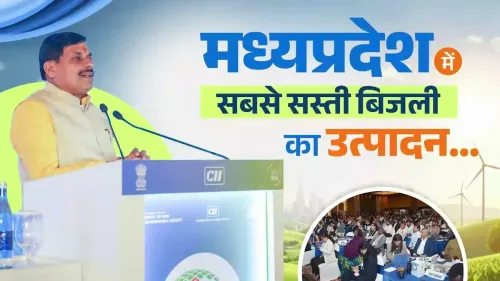
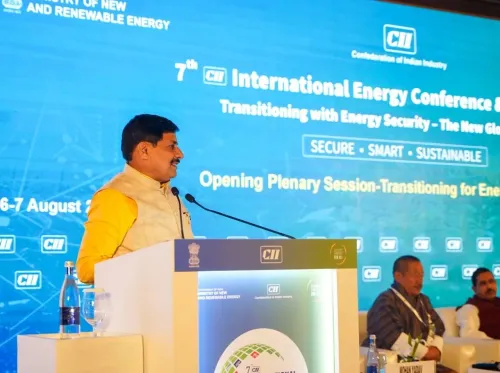
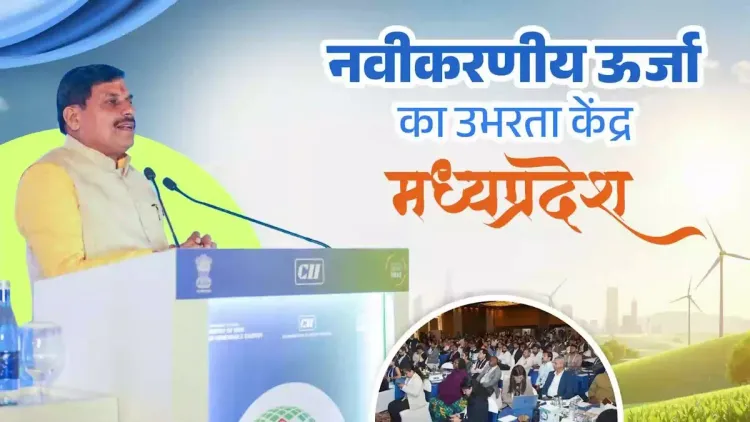
Chief Minister Dr. Mohan Yadav declared on 6 August 2026 that Delhi Metro runs on Madhya Pradesh-generated power, framing the state as a national leader in renewable energy, energy storage, and green industrial growth.
Key Takeaways
Delhi Metro is being operated using electricity generated in Madhya Pradesh , according to CM Dr.
MP has positioned itself as one of India's leading states in renewable energy, energy storage, and green industrial development .
The Rewa Ultra Mega Solar Power Plant (commissioned 2018–2020 ) was an early large-scale project designed to export power beyond state borders.
The announcement was tagged to @NewenergyMp , the state's renewable energy department handle, signalling an official policy push.
Upcoming energy storage projects and new power purchase agreements will determine whether the state can sustain its exporter status.
A landlocked state in central India is quietly reshaping the country's energy map — and its Chief Minister wants the nation to take notice. On Thursday, 6 August 2026, the Chief Minister's Office of Madhya Pradesh declared that Delhi Metro operations are being powered by electricity generated within the state, positioning Madhya Pradesh as one of India's leading renewable energy producers.
What CM Yadav said — and why it matters
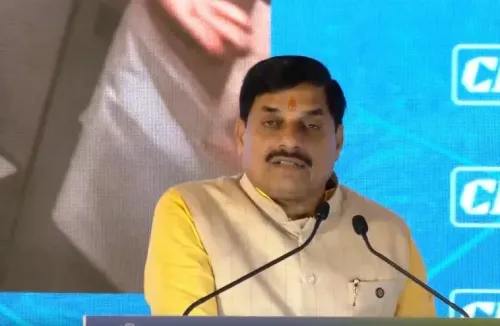
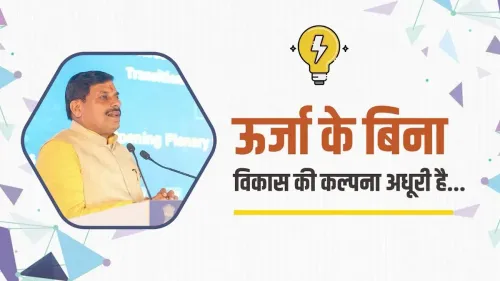
Chief Minister Dr. Mohan Yadav stated that Madhya Pradesh is 'rapidly advancing in renewable energy, energy storage, and green industrial development' and has 'established a strong identity among the country's leading states.' The claim about Delhi Metro is the sharpest detail: it signals that MP-generated power is now crossing state lines and energising one of the world's busiest urban transit systems.
The post, shared on the official @CMMadhyaPradesh handle and tagged to @NewenergyMp — the state's renewable energy department — underscores that this is a deliberate policy message, not a routine update.
The infrastructure behind the claim
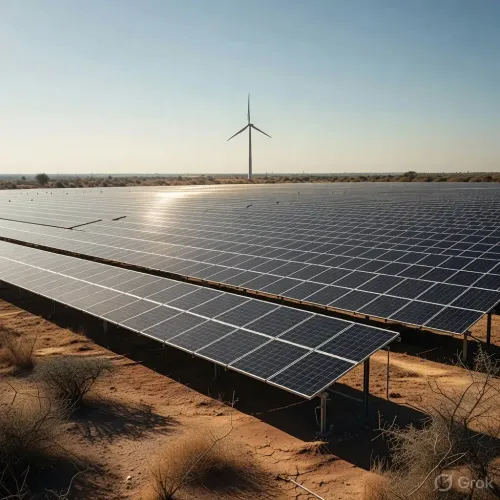
Madhya Pradesh's renewable push has deep roots. The Rewa Ultra Mega Solar Power Plant, commissioned between 2018 and 2020, was among India's earliest large-scale solar projects designed explicitly to supply power beyond state borders — Delhi Metro was among its stated beneficiaries at launch. The state's Solar Policy of 2012 laid the original groundwork, attracting private investment and creating the land-use frameworks that later projects built upon.
The state has since expanded into energy storage and green industrial clusters, seeking to convert its geographic advantage — vast land availability at competitive cost — into a durable position in India's energy transition.
MP in India's renewable race
Indian states have competed fiercely to capture renewable capacity under national non-fossil fuel targets. Madhya Pradesh has leaned into that competition by offering policy incentives and positioning itself as a power exporter rather than merely a consumer. Supplying a high-profile, high-visibility system like Delhi Metro — which serves millions of daily commuters in the National Capital Region — carries both commercial and reputational weight.
The next test will be whether announced energy storage projects materialise on schedule and whether new power purchase agreements with Delhi or other metros follow, converting today's claim into long-term contracted capacity.
Point of View
Which did include Delhi Metro as a beneficiary at commissioning, gives the claim a credible foundation, but the broader assertion of MP being among the country's 'leading' renewable states invites scrutiny against hard capacity rankings. More significantly, the pivot toward energy storage and green industrial clusters signals that MP is trying to move up the value chain — from raw generation to integrated green economy — a bet that aligns with national industrial policy but carries execution risk. If storage projects and new PPAs materialise, the state could cement a genuine competitive moat; if they stall, today's rhetoric will look ahead of the facts.
NationPress
20 Sept 2026
Frequently Asked Questions
Does Delhi Metro actually run on Madhya Pradesh electricity?
Chief Minister Dr. Mohan Yadav claimed on 6 August 2026 that Delhi Metro operations are powered by electricity produced in Madhya Pradesh. The Rewa Ultra Mega Solar Power Plant, commissioned between 2018 and 2020, was designed partly to supply Delhi Metro, lending credibility to the claim, though independent verification of current supply arrangements is not available.
What is the Rewa Ultra Mega Solar Power Plant?
The Rewa Ultra Mega Solar Power Plant is one of India's earliest large-scale solar projects, commissioned between 2018 and 2020 in Madhya Pradesh. It was notable for being structured to supply power to consumers outside the state, including Delhi Metro.
What is Madhya Pradesh's renewable energy policy?
Madhya Pradesh introduced its Solar Policy in 2012 to attract private investment in solar power generation. The state has since expanded into energy storage and green industrial development, aiming to become a net exporter of clean power to other states.
Who is Dr. Mohan Yadav?
Dr. Mohan Yadav is the Chief Minister of Madhya Pradesh, serving since December 2023. His administration has emphasised renewable energy expansion, energy storage, and attracting green industrial investment to the state.
What is NewenergyMp?
NewenergyMp is the official social media handle of Madhya Pradesh's new and renewable energy department, used to communicate the state government's clean energy initiatives and policy updates.