Madhya Pradesh eyes renewable energy hub status, CM Mohan Yadav outlines 24x7 green power vision
Synopsis
Madhya Pradesh is not just producing renewable energy — it is exporting it, including to power the Delhi Metro. CM Mohan Yadav's pitch at the 7th International Renewable Energy Conference frames the state as India's emerging green energy exporter, backed by dedicated storage and biomass policies and a claim to the country's cheapest electricity tariff.
Key Takeaways
CM Mohan Yadav declared Madhya Pradesh is positioning itself as a leading national renewable energy hub at the 7th International Renewable Energy Conference and Expo 2026 in New Delhi on 6 August 2026 .
The state is targeting 24-hour uninterrupted green power supply through large-scale expansion of renewable energy and storage infrastructure.
Dedicated state policies cover renewable energy , pumped hydro energy storage , and biomass , aimed at attracting investment and driving innovation.
Madhya Pradesh claims to produce the country's cheapest electricity and supplies power to the Delhi Metro .
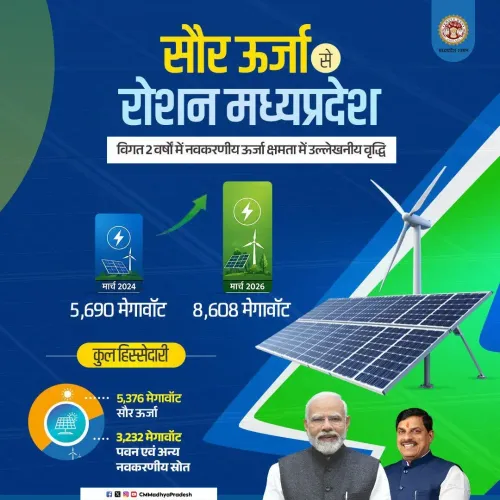
The state has seen significant renewable energy growth over the past 12 years and is expanding its role as a net energy exporter.
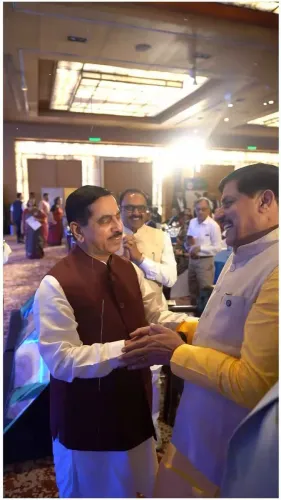
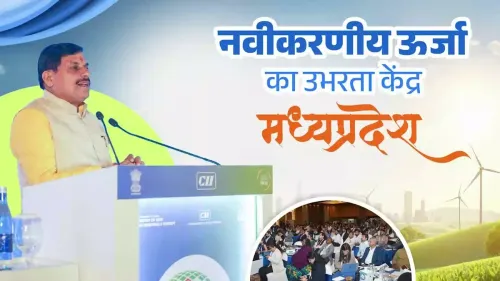
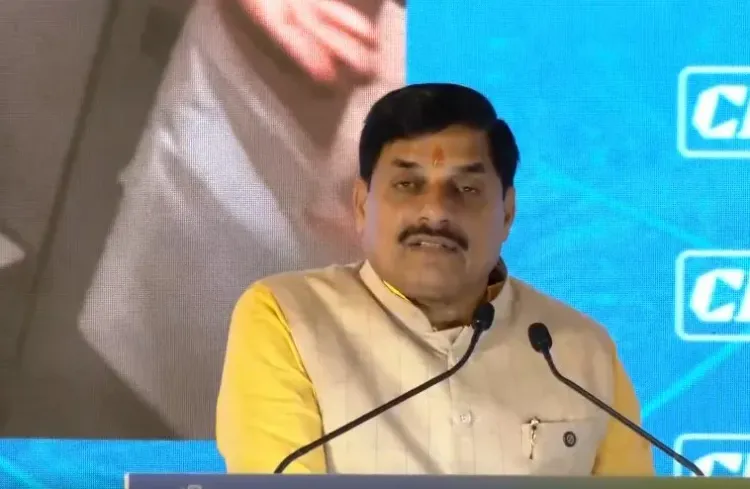
Madhya Pradesh is actively positioning itself as a national leader in renewable energy, with Chief Minister Mohan Yadav outlining an ambitious roadmap for round-the-clock green power supply backed by large-scale storage infrastructure. The Chief Minister made these remarks on 6 August 2026 on the sidelines of the 7th International Renewable Energy Conference and Expo 2026 in New Delhi, where he participated alongside Union Minister for New and Renewable Energy Pralhad Joshi.
The Green Energy Vision
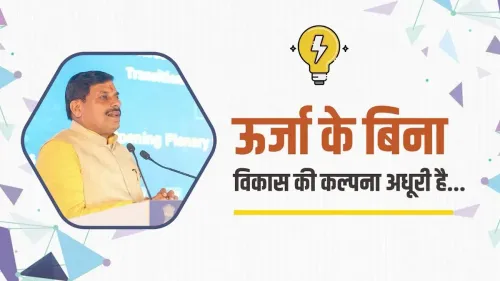
CM Yadav said the state has recorded significant growth in the renewable energy sector over the past 12 years and is now focused on ensuring uninterrupted availability of clean power. 'Madhya Pradesh is among the fastest progressing states in the renewable energy sector. Solar and wind energy are available only for limited hours, but we are steadily moving towards ensuring 24-hour renewable energy supply. Our objective is to demonstrate that uninterrupted green energy is possible,' he said.
Policy Push and Investment Climate
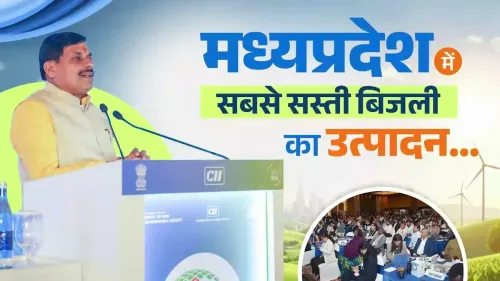
The state government has introduced dedicated policies covering renewable energy, pumped hydro energy storage, and biomass, which officials say have accelerated investment and innovation. 'Our policy initiatives have given fresh momentum to investment in renewable energy. Madhya Pradesh is producing the country's cheapest electricity and is rapidly strengthening its position in renewable energy, energy storage and green industrial development,' CM Yadav said.
Beyond State Borders: Powering Delhi Metro
Notably, the Chief Minister said electricity generated in Madhya Pradesh is not only meeting the state's own growing energy demands but is also being supplied to other regions. He specifically highlighted that power from the state is being used to operate the Delhi Metro — a detail that underscores the scale and reach of the state's energy output. This positions Madhya Pradesh as a net energy exporter, a distinction few Indian states can claim in the renewable segment.
What Was Presented at the Conference
At the three-day conference — which brought together policymakers, industry leaders, investors, and energy experts — Madhya Pradesh presented its green energy vision, covering progress in clean energy generation, policy reforms, and future plans to expand renewable capacity and storage infrastructure. The event focused on emerging technologies, investment opportunities, and strategies to accelerate renewable energy adoption nationally.
Road Ahead
CM Yadav said the state government will continue to promote investment in clean energy projects to support India's broader transition to sustainable energy, while simultaneously creating new opportunities for industrial growth and employment. This comes amid India's national push to meet its 500 GW non-fossil fuel capacity target by 2030, with states like Madhya Pradesh expected to play a pivotal role in bridging the gap between ambition and execution.
Point of View
And the absence of specific capacity numbers or investment figures in CM Yadav's remarks makes it difficult to independently verify the scale of progress. The Delhi Metro supply detail is a credible proof point, but 24x7 renewable power remains an engineering challenge that no Indian state has fully cracked. The real test will be whether Madhya Pradesh's storage and pumped hydro policies translate into bankable projects — not just conference presentations.
NationPress
21 Sept 2026
Frequently Asked Questions
What did CM Mohan Yadav announce at the renewable energy conference?
Chief Minister Mohan Yadav outlined Madhya Pradesh's vision to become a leading national renewable energy hub, with a focus on round-the-clock green power supply backed by energy storage infrastructure. He made these remarks at the 7th International Renewable Energy Conference and Expo 2026 in New Delhi on 6 August 2026.
What policies has Madhya Pradesh introduced for renewable energy?
The state government has introduced dedicated policies for renewable energy, pumped hydro energy storage, and biomass. These initiatives are aimed at attracting investment, accelerating innovation, and supporting India's broader clean energy transition.
Does Madhya Pradesh supply power to other states?
Yes, according to CM Yadav, electricity generated in Madhya Pradesh is being supplied beyond its borders, including to power the Delhi Metro. The Chief Minister said the state is rapidly strengthening its position as a green energy and energy storage leader.
What is the significance of 24-hour renewable energy supply?
Solar and wind energy are intermittent by nature, available only during certain hours. Achieving round-the-clock renewable supply requires large-scale storage solutions such as pumped hydro. Madhya Pradesh has stated this is a core objective, though no specific timeline was provided.
How does this fit into India's national renewable energy goals?
India has a target of 500 GW of non-fossil fuel capacity by 2030. States like Madhya Pradesh are central to meeting that target, and the state's policy push on storage and biomass aligns with the national strategy to bridge intermittency gaps in solar and wind generation.