CM Dhami Vows to Protect Uttarakhand's Demography and Culture
Synopsis
Uttarakhand Chief Minister Pushkar Singh Dhami on 17 June 2026 declared that preserving the state's demographic balance and cultural heritage is his government's supreme priority, pledging a safe, culturally rooted future for coming generations.
Key Takeaways
CM Pushkar Singh Dhami posted on 17 June 2026 that protecting Uttarakhand 's demography and cultural heritage is the state government's 'topmost priority.' Uttarakhand became the first Indian state to enact a Uniform Civil Code in 2024 , a flagship policy of the Dhami government.
The statement addresses long-standing concerns among indigenous Pahadi hill communities about out-migration and cultural dilution.
The BJP -led government has also pursued land-use regulation and anti-conversion measures as part of its demographic policy agenda.
Observers expect follow-up legislative or administrative action, including UCC implementation audits and land-records digitisation.
The next national census is expected to provide fresh demographic data that could intensify political debate across Uttarakhand and other hill states.
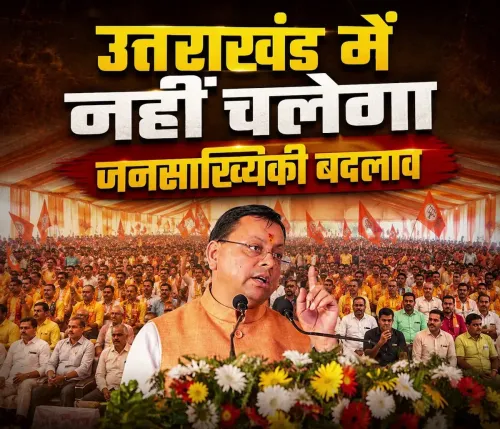
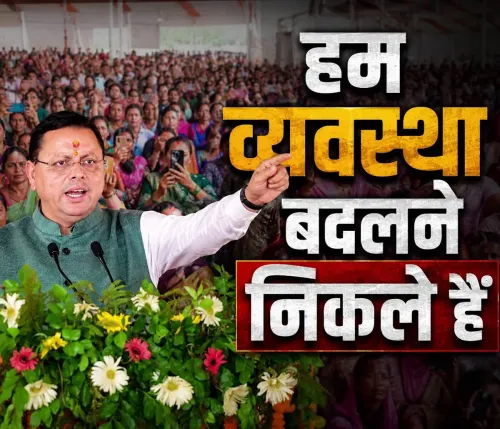
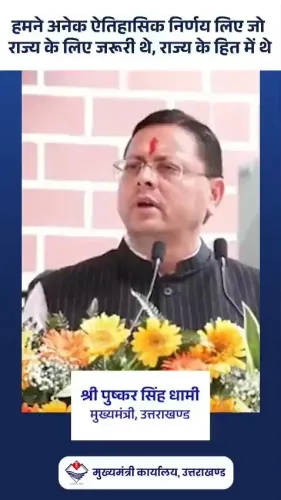
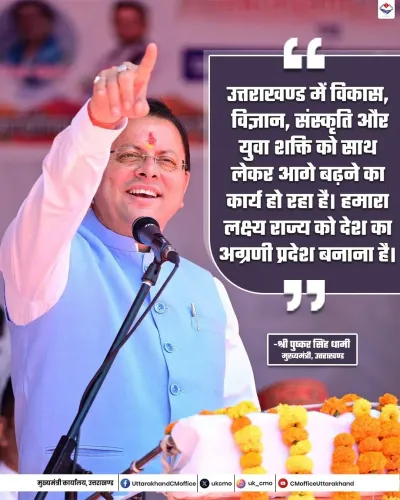
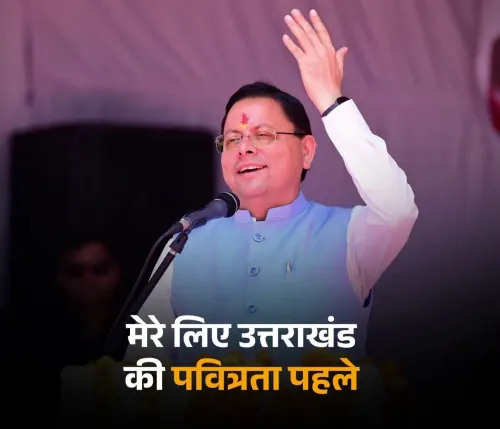
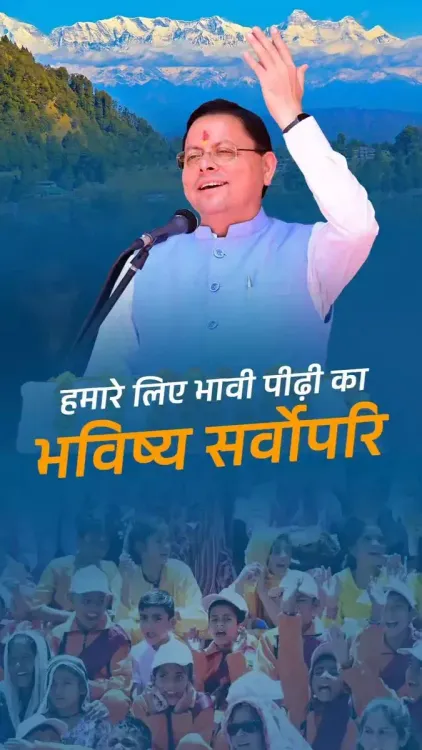
Uttarakhand Chief Minister Pushkar Singh Dhami on Wednesday, 17 June 2026 declared that preserving the state's demographic balance and cultural heritage is his government's 'topmost priority,' pledging that future generations will inherit an Uttarakhand that is safe, culturally rich, and rooted in its original identity.
In a post on X, CM Dhami wrote: 'Hamari aane wali peedhiyon ko surakshit, sanskritik roop se samridh aur apni mool pahchaan se juda Uttarakhand mile' — ('May our coming generations receive an Uttarakhand that is secure, culturally prosperous, and connected to its original identity'). He added that protecting the state's demography and cultural heritage is the government's supreme priority.
Context
Uttarakhand, a Himalayan state carved out of Uttar Pradesh in 2000, has long grappled with twin anxieties: rapid out-migration of its indigenous hill communities and concerns over demographic and cultural shifts. These issues have animated political discourse in the state for over two decades, cutting across party lines but finding particular resonance under BJP governance.
Chief Minister Dhami, who has led the state since 2021, has consistently framed demographic and cultural preservation as a governance imperative, not merely a rhetorical position. Wednesday's post reaffirms that framing ahead of what observers expect to be a period of significant legislative and administrative activity.
Policy Backdrop
Uttarakhand made national headlines in 2024 when it became the first Indian state to enact a Uniform Civil Code (UCC). The Dhami government positioned the UCC explicitly as an instrument of cultural uniformity and gender justice — a direct legislative expression of the same priorities the Chief Minister articulated on Wednesday.
Beyond the UCC, the state has pursued measures on land-use regulation and anti-conversion legislation, part of a broader pattern seen across BJP-governed hill and border states including Himachal Pradesh. Concerns over migration patterns and religious conversions have been cited by the government as long-standing structural challenges to the region's demographic character.
Stakeholders and Impact
The communities most directly addressed by Dhami's statement are the indigenous hill residents — the Pahadi communities — whose cultural practices, dialects, and livelihoods define Uttarakhand's distinct identity. Decades of youth out-migration to plains cities have thinned these communities in many districts, raising concerns about the long-term viability of traditional cultural life.
Pilgrimage-dependent economies in towns such as Haridwar, Rishikesh, Kedarnath and Badrinath add another layer of complexity: large seasonal and permanent in-migration for religious tourism intersects with the demographic anxieties the Chief Minister is addressing. Any new administrative or legislative steps will be closely watched by both indigenous residents and migrant communities settled in the state.
What's Next
Observers will track whether CM Dhami's statement is followed by concrete administrative action — including implementation audits of the UCC, land-records digitisation drives, or new data releases on migration patterns ahead of the next national census cycle. The post's timing and emphatic language suggest the government may be laying the groundwork for a fresh legislative or executive push on cultural and demographic policy.
With the next census expected to provide the first comprehensive demographic snapshot since 2011, political pressure around these issues is likely to intensify across Uttarakhand and other hill states, making the Chief Minister's stated priority a defining theme of the coming political season.
Point of View
Not merely identity politics. By making this 'the topmost priority,' he is anchoring the BJP's electoral and legislative agenda in Uttarakhand to a set of anxieties — out-migration, cultural dilution, demographic shifts — that resonate deeply with the state's hill-community voter base. The statement also fits a broader arc: following the landmark UCC enactment in 2024, the Dhami government appears to be preparing the ground for additional legislative or administrative steps as census data approaches. For a state where indigenous identity and cultural continuity are near-universal concerns, this framing carries significant political weight and is likely to shape the policy agenda well into the next electoral cycle.
NationPress
17 Sept 2026
Frequently Asked Questions
What did Uttarakhand CM Dhami say about demographic preservation?
CM Pushkar Singh Dhami stated on 17 June 2026 that protecting Uttarakhand's demographic balance and cultural heritage is his government's topmost priority, so that future generations inherit a safe, culturally rich state rooted in its original identity.
What is the Uniform Civil Code in Uttarakhand?
Uttarakhand became the first Indian state to enact a Uniform Civil Code in 2024 under CM Dhami, framed by the government as a measure to ensure cultural uniformity and gender justice across all communities in the state.
Why is demographic change a concern in Uttarakhand?
Uttarakhand's indigenous hill communities have faced decades of youth out-migration to plains cities, thinning local populations and raising concerns about the long-term survival of Pahari cultural practices, dialects, and traditional livelihoods.
What policies has the Dhami government introduced on cultural preservation?
Beyond the Uniform Civil Code, the Dhami government has pursued land-use regulation and anti-conversion legislation, reflecting a broader BJP approach in hill and border states to address perceived demographic and cultural pressures.
What should we watch for after Dhami's cultural preservation statement?
Observers will monitor potential follow-up steps including UCC implementation audits, land-records digitisation, and any new migration or demographic data releases tied to the upcoming national census cycle.