CM Dhami: Uttarakhand folk culture unites generations
Synopsis
Chief Minister Pushkar Singh Dhami says Uttarakhand's folk culture strengthens unity in diversity and motivates future generations to stay rooted in their traditions, in a statement shared by the CMO on June 8, 2026.
Key Takeaways
The Chief Minister's Office of Uttarakhand shared a statement by CM Pushkar Singh Dhami on June 8, 2026 .
CM Dhami said the state's folk culture 'strengthens the spirit of unity in diversity.' He emphasised that local traditions inspire 'future generations to remain connected to their roots.' Uttarakhand , formed in 2000 , has distinct folk traditions across the Garhwal and Kumaon regions.
The statement aligns with the central government's Ek Bharat Shreshtha Bharat programme launched in 2015 .
Analysts will watch for follow-up policy moves such as cultural funding or heritage event participation.
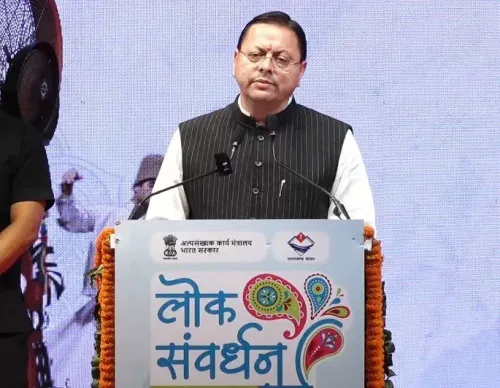
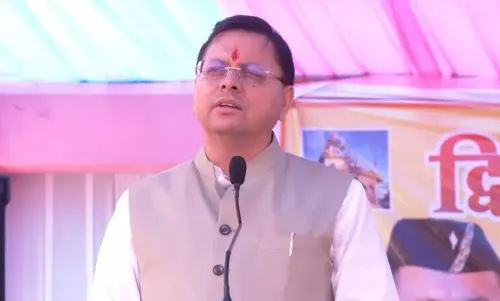
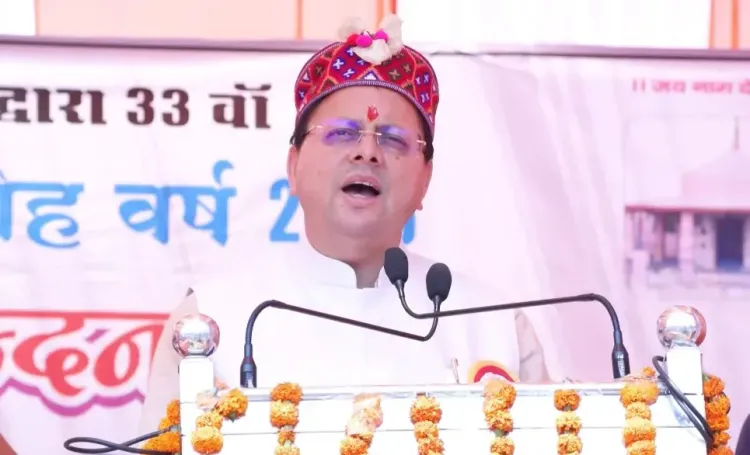
The Chief Minister's Office of Uttarakhand, on Monday, June 8, 2026, shared a statement by Chief Minister Pushkar Singh Dhami emphasising the role of the state's folk culture in reinforcing national unity and inspiring younger generations to stay rooted in their heritage.
Context
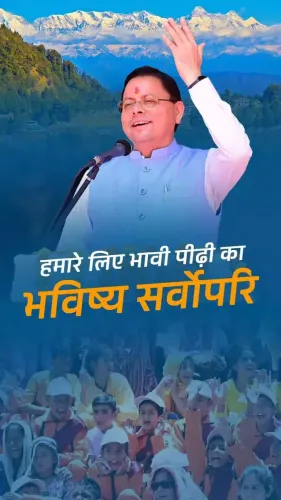
Speaking on the significance of Uttarakhand's local traditions, CM Dhami said: 'Yahan ki lok sanskriti vividhata mein ekta ki bhavna ko mazboot karti hai aur bhavi peedi ko apni jadon se jude rehne ki prerana bhi pradaan karti hai.' In English: 'The folk culture here strengthens the spirit of unity in diversity and also inspires future generations to remain connected to their roots.' The statement underscores the administration's consistent messaging around cultural preservation as a civic and national value.
Policy Backdrop
The sentiment aligns with the central government's Ek Bharat Shreshtha Bharat programme, launched in 2015, which encourages states to spotlight regional cultures as a means of fostering national cohesion. Uttarakhand, carved out as a separate Himalayan state in 2000, is home to rich and distinct folk traditions across its two main cultural belts — Garhwal and Kumaon — encompassing music, dance, dialect, and ritual practices. State governments across India, including those in neighbouring Himachal Pradesh, have adopted similar cultural-messaging frameworks that link regional identity to constitutional ideals of pluralism.
Stakeholders and Impact
The primary beneficiaries of such cultural advocacy are Uttarakhand's youth and practising folk artists — musicians, dancers, weavers, and storytellers — whose livelihoods and traditions depend on sustained institutional recognition. When a sitting Chief Minister frames folk culture as a vehicle for national unity, it lends political weight to funding proposals, curriculum integration, and festival support that cultural bodies routinely seek. Folk practitioners in both Garhwal and Kumaon have long called for greater state investment in documentation and performance infrastructure.
What's Next
Observers will watch whether this statement precedes a formal policy announcement — such as enhanced grants for folk artists, inclusion of regional traditions in school syllabi, or participation in national heritage events like the Kala Sanskriti Mahotsav. CM Dhami's administration has previously used cultural occasions to unveil tourism and heritage initiatives, suggesting the statement may be a precursor to a broader programme. Sustained political emphasis on folk culture in a state heavily reliant on heritage tourism could translate into concrete budgetary commitments in the coming months.
Point of View
Which has made cultural nationalism a recurring soft-power instrument. For a Himalayan border state like Uttarakhand — where out-migration is high and cultural continuity is under demographic pressure — such statements carry both symbolic and electoral weight. The messaging simultaneously appeals to heritage-conscious voters and positions the state as a willing partner in New Delhi's national integration agenda. Whether it translates into substantive policy or remains rhetorical will be the real test.
NationPress
24 Oct 2026
Frequently Asked Questions
What did CM Pushkar Singh Dhami say about Uttarakhand's folk culture?
CM Dhami said that Uttarakhand's folk culture strengthens the spirit of unity in diversity and inspires future generations to remain connected to their roots, in a statement shared by the CMO on June 8, 2026.
What is the Ek Bharat Shreshtha Bharat programme?
Ek Bharat Shreshtha Bharat is a central government initiative launched in 2015 that encourages Indian states to promote their regional cultures to foster national unity and integration.
What folk traditions does Uttarakhand have?
Uttarakhand has rich folk traditions spanning its two main cultural regions — Garhwal and Kumaon — including distinct music, dance forms, dialects, and ritual practices that have evolved over centuries.
Why does Uttarakhand's CM often speak about cultural heritage?
Uttarakhand is a heritage-tourism-dependent state with significant youth out-migration, making cultural preservation a politically and economically important issue for the state government.
What policy steps could follow CM Dhami's cultural statement?
Possible follow-up steps include enhanced grants for folk artists, integration of regional traditions into school curricula, and participation in national events like the Kala Sanskriti Mahotsav.