CM Dhami: India's Diversity Is Its Greatest Strength
Synopsis
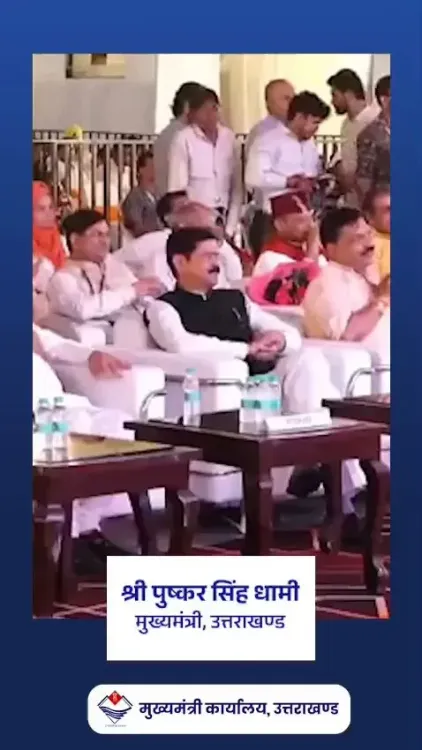
Chief Minister Pushkar Singh Dhami of Uttarakhand declared on 13 July 2026 that India's diversity is its greatest strength. The statement, shared by the official CMO account, echoes the constitutional ethos of unity in diversity and reflects the hill state's own plural cultural identity.
Key Takeaways
CM Pushkar Singh Dhami stated that India is a remarkable country that encompasses diversities, calling it the nation's greatest strength.
The statement was shared by the Chief Minister's Office of Uttarakhand on 13 July 2026 via the official X account.
Uttarakhand , formed in 2000 , is home to diverse communities, dialects, and pilgrimage traditions including the Char Dham circuit.
CM Dhami has served as Chief Minister since 2021 under the Bharatiya Janata Party .
The message aligns with India's constitutional principle of 'unity in diversity' and may precede a cultural or tourism initiative from the state government.
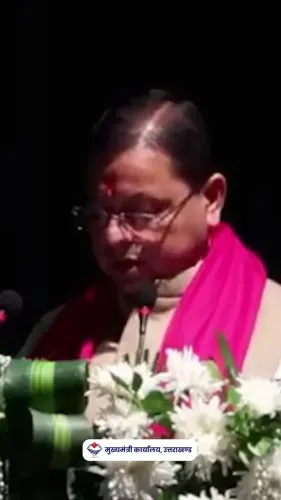
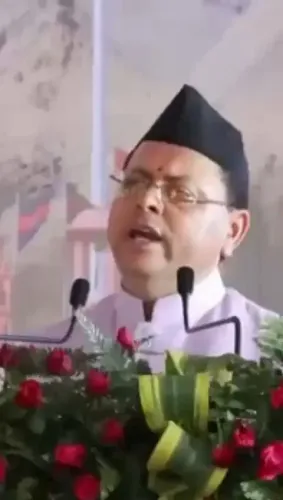
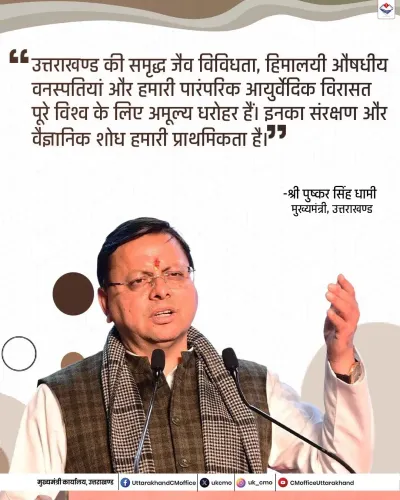
The Chief Minister's Office of Uttarakhand, on behalf of Chief Minister Pushkar Singh Dhami, shared a statement on Monday, 13 July 2026, affirming that India's diversity is the country's foremost source of strength. The post, attributed directly to the Chief Minister, underscores a message of national unity that resonates across the state's own multi-cultural identity.
In the statement, CM Dhami said: 'Bharat vividhataon ko samete hue ek adbhut desh hai aur yahi vividhata Bharat ki sabse badi shakti hai' ('India is a remarkable country that encompasses diversities, and this very diversity is India's greatest strength'). The remark was shared with the hashtag #Uttarakhand, anchoring the sentiment to the state's own plural heritage.
Context
Uttarakhand, a Himalayan state carved out of Uttar Pradesh in November 2000, is itself a mosaic of communities, dialects, pilgrimage traditions, and ecological zones. The state hosts some of India's most revered religious sites — from the Char Dham circuit to the Hemkund Sahib gurudwara — drawing devotees from every faith and region of the country. This geographic and cultural plurality gives the Chief Minister's statement particular resonance when issued from Dehradun.
Policy Backdrop
Indian political discourse has long drawn on the constitutional principle of 'unity in diversity,' a phrase embedded in the republic's foundational ethos since 1947. State chief ministers routinely invoke this framing during national commemorations, cultural festivals, and tourism campaigns. For CM Dhami, who has served as Uttarakhand's Chief Minister since 2021 under the Bharatiya Janata Party, statements of this nature frequently accompany broader messaging on cultural preservation and state-led development.
Uttarakhand's tourism and pilgrimage economy depends directly on the state's image as an inclusive, welcoming destination. Messaging that foregrounds diversity as a national asset aligns with the state government's interest in attracting visitors from across India's many communities and regions.
Stakeholders and Impact
The statement is addressed implicitly to Indian citizens at large and to the diverse cultural communities that constitute Uttarakhand's social fabric. For residents of the hill state — which includes Garhwali and Kumaoni communities alongside significant migrant and pilgrimage populations — the affirmation carries both symbolic and practical weight. It signals that the state administration views cultural plurality not as a challenge to be managed but as a resource to be celebrated.
Broader civil society, educators, and tourism stakeholders stand to benefit when a state government publicly champions diversity, as such messaging can shape policy priorities around cultural heritage, language preservation, and inclusive development.
What's Next
Observers will watch whether this statement precedes a specific state-level cultural initiative, tourism campaign, or national commemoration event in Uttarakhand. CM Dhami's government has previously linked similar rhetoric to concrete programmes around pilgrimage infrastructure and cultural tourism. If the message is followed by a policy announcement or event, it would mark a transition from symbolic affirmation to actionable governance — a step that would give the sentiment lasting policy significance.
Point of View
A rhetorical frame that state leaders deploy both for domestic cohesion and as a soft signal to tourism and investment audiences. Coming from the head of a state whose economy is heavily tied to pilgrimage and multi-community tourism, the message carries practical undertones beyond the ceremonial. The BJP's emphasis on cultural nationalism makes such inclusive-diversity framing noteworthy — it suggests the party's state units are calibrating national-unity messaging for a broad electoral and social base. Watchers should note whether a concrete cultural policy or event follows, which would elevate this from routine political communication to a governance signal.
NationPress
12 Oct 2026
Frequently Asked Questions
What did CM Pushkar Singh Dhami say about India's diversity?
CM Pushkar Singh Dhami said that India is a remarkable country that encompasses diversities and that this diversity is India's greatest strength, as shared by the Uttarakhand CMO on 13 July 2026.
Why did the Uttarakhand CM make a statement on India's diversity?
The specific occasion for the statement has not been confirmed, but Indian chief ministers routinely issue such remarks around national or cultural events. Uttarakhand's own plural heritage of communities, languages, and pilgrimage traditions makes the message particularly relevant to the state.
Who is Pushkar Singh Dhami?
Pushkar Singh Dhami is the Chief Minister of Uttarakhand, serving since 2021 as a leader of the Bharatiya Janata Party. He is known for focusing on state development, cultural matters, and pilgrimage infrastructure.
What is Uttarakhand's cultural significance in India?
Uttarakhand, formed in 2000, is a northern Himalayan state home to major Hindu pilgrimage sites including the Char Dham circuit, as well as Sikh, Buddhist, and other religious heritage sites, making it one of India's most culturally diverse states.
What does 'unity in diversity' mean in the Indian context?
'Unity in diversity' is a foundational principle of the Indian republic, enshrined since 1947, recognising that India's many languages, religions, and cultures are a source of national strength rather than division. Political leaders across parties routinely invoke this phrase in public statements.