CM Samrat Choudhary launches Bihar Smart Class in Model Schools

Synopsis
Bihar Chief Minister Samrat Choudhary on 16 July 2026 inaugurated the Bihar Smart Class programme across all Model Schools run by the state Education Department, advancing digital learning under NEP 2020 and the state's broader school modernisation drive.
Key Takeaways
Bihar Chief Minister Samrat Choudhary inaugurated the Bihar Smart Class programme on 16 July 2026 .
The rollout covers all Model Schools administered by the Bihar Education Department .
The initiative aligns with the National Education Policy 2020 mandate for technology integration in school education.
The programme builds on Bihar's longer history of school-education investments, including the Mukhyamantri Balika Cycle Yojana launched in 2007 .
Key beneficiaries include Model School students and teachers across Bihar .
Outcome assessments and possible expansion beyond Model Schools are expected during the 2026-27 academic year.
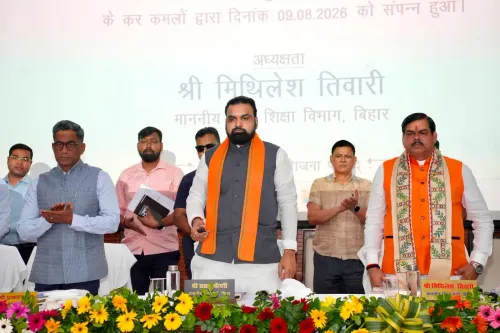
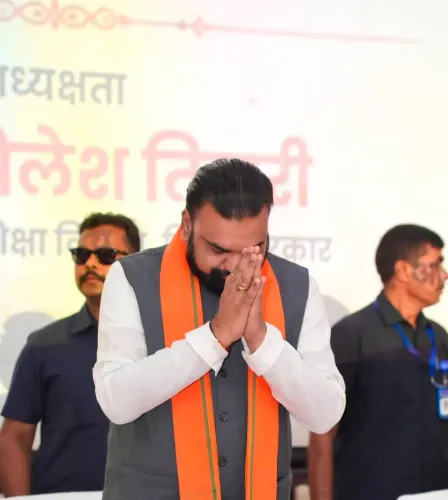
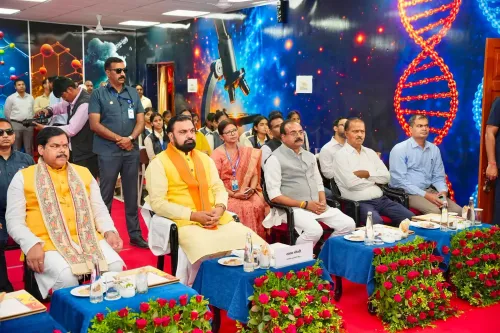
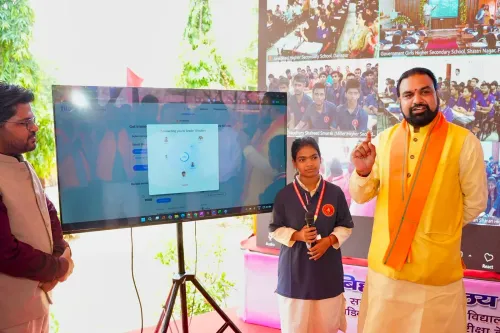
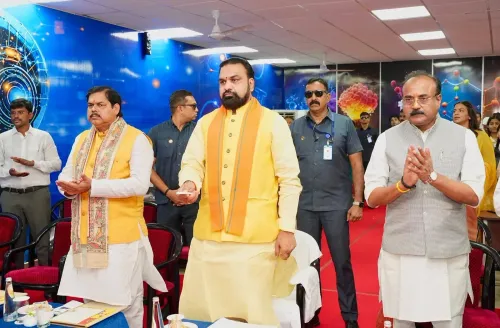
Bihar Chief Minister Samrat Choudhary on Thursday, 16 July 2026, inaugurated the Bihar Smart Class programme across all Model Schools administered by the state Education Department, marking a significant step in the government's push to bring digital learning infrastructure to government-run institutions.
Context
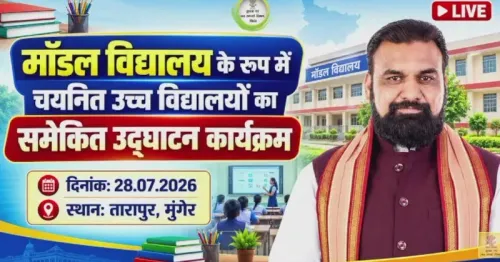
Sharing a live broadcast of the inauguration ceremony on social media, CM Samrat Choudhary posted: 'शिक्षा विभाग द्वारा आयोजित सभी मॉडल स्कूलों में बिहार स्मार्ट क्लास का उद्घाटन कार्यक्रम' — ('Inauguration programme of Bihar Smart Class in all Model Schools organised by the Education Department'). The event was broadcast live, underscoring the government's intent to signal transparency and scale in the rollout.
The Bihar Education Department has been overseeing the state's network of Model Schools — government institutions established to demonstrate improved facilities, better teacher deployment, and higher teaching standards compared to ordinary state-run schools. These schools have served as testbeds for successive education reforms in Bihar.
Policy Backdrop
The Smart Class launch aligns directly with the National Education Policy (NEP) 2020, which mandated the integration of digital tools and technology-assisted learning into school curricula across India. Following the policy's adoption, Bihar began expanding digital infrastructure projects in selected government schools as part of a phased modernisation effort.
The initiative also builds on a longer arc of state investment in school education. Bihar introduced the Mukhyamantri Balika Cycle Yojana in 2007 to boost secondary-school enrolment among girls, and subsequent governments have layered technology and infrastructure upgrades onto that foundation. The Smart Class programme represents the latest layer — bringing interactive digital content directly into classrooms.
Across India, multiple states accelerated smart-classroom rollouts after 2020 to address learning gaps exposed by pandemic-related school closures. Bihar's programme follows the same pattern of deploying digital content on existing model-school infrastructure, while positioning the state within the broader national push for technology-enabled learning outcomes.
Stakeholders and Impact
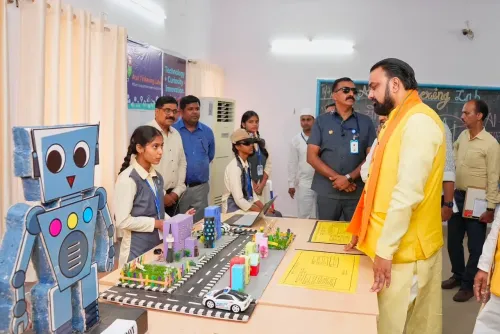
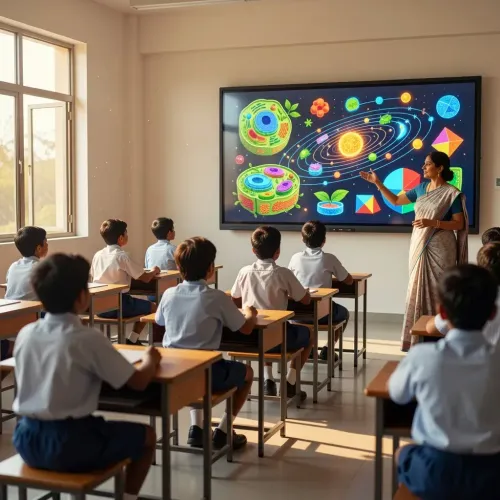
The primary beneficiaries of the Bihar Smart Class programme are students enrolled in the state's Model School network and the teachers who instruct them. Smart classrooms typically provide teachers with interactive whiteboards, digital content libraries, and audio-visual tools that supplement conventional textbook instruction.
Bihar Education Department officials and school administrators are also key stakeholders, as the programme requires sustained maintenance, teacher training, and content updates to remain effective. State education officials will be responsible for monitoring adoption and usage rates across all covered schools during the 2026-27 academic year.
What's Next
Attention will now turn to phased rollout reports and any independent assessment of learning outcomes in schools covered under the Bihar Smart Class initiative. The government's ability to sustain and expand the programme beyond the existing Model School network will likely feature in the next state education budget discussion.
Should early outcome data from the 2026-27 academic year prove favourable, Bihar may face pressure — and opportunity — to extend smart-classroom infrastructure to a broader set of government schools, moving the programme from a model-school pilot into a state-wide intervention.
Point of View
The Bihar government simultaneously signals alignment with the Centre's policy priorities while claiming state-level credit for on-ground execution. The choice to inaugurate across 'all' Model Schools in a single event — and broadcast it live — suggests a deliberate messaging strategy aimed at scale and transparency. The real test, however, will be whether the infrastructure translates into measurable learning gains, a challenge that has tripped up similar smart-classroom rollouts in other states.
NationPress
15 Oct 2026
Frequently Asked Questions
What is the Bihar Smart Class programme?
The Bihar Smart Class programme is a state government initiative that installs digital learning infrastructure — including interactive content and audio-visual tools — in all Model Schools administered by the Bihar Education Department, aimed at improving teaching quality and student learning outcomes.
Which schools are covered under Bihar Smart Class?
The programme covers all Model Schools run by the Bihar Education Department. These are government schools set up to demonstrate improved facilities and teaching standards across the state.
Who launched the Bihar Smart Class initiative?
Bihar Chief Minister Samrat Choudhary inaugurated the Bihar Smart Class programme on 16 July 2026 at a ceremony organised by the Bihar Education Department.
How does Bihar Smart Class relate to NEP 2020?
The National Education Policy 2020 directed all states to integrate digital tools and technology into school curricula. Bihar's Smart Class rollout is part of the state's compliance with and implementation of that central policy directive.
Will Bihar Smart Class expand beyond Model Schools?
As of the inauguration, the programme is limited to Model Schools. Expansion to a wider set of government schools will depend on outcome assessments during the 2026-27 academic year and allocations in the next state education budget.