CM Revanth Reddy Reviews El Niño Drought Risk in Telangana
Synopsis
Telangana Chief Minister A. Revanth Reddy chaired a senior-official review on El Niño-driven drought risk, ordering Group-1 and Group-2 officers to every mandal, cross-department coordination, and public awareness drives to avert drinking water and power disruptions.
Key Takeaways
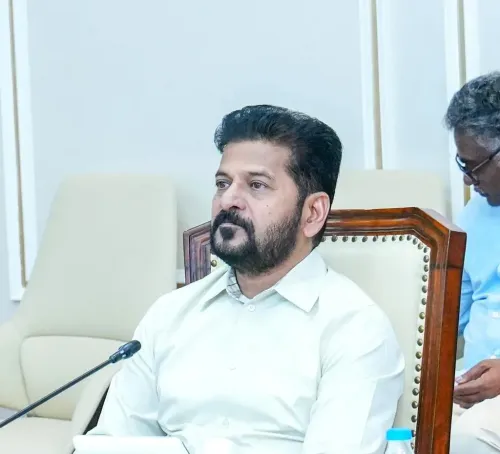
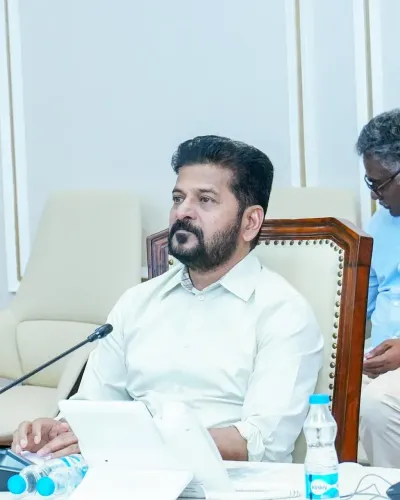
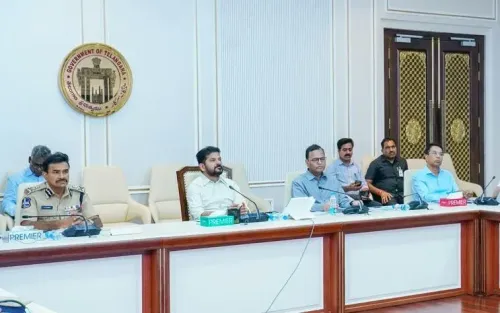
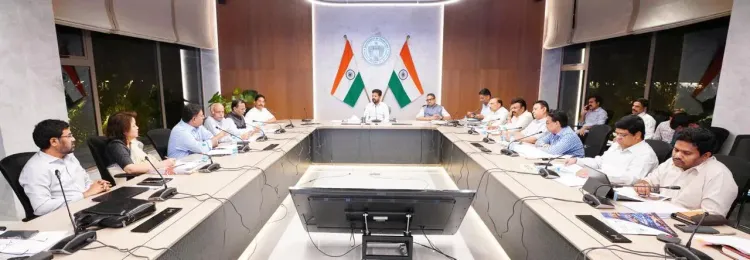
Revanth Reddy chaired a high-level review on El Niño , drought risk, and rainfall deficiency in Telangana on 15 October 2026 .
Officials were directed to take preemptive action to prevent drinking water supply and electricity problems from worsening.
Group-1 and Group-2 level officers are to be deployed to every mandal for continuous ground-level monitoring.
All departments must coordinate and report field-level information directly to the Chief Secretary in real time.
A public awareness campaign on El Niño's impacts is to be launched across the state.
Telangana's rain-fed Deccan Plateau geography makes it especially vulnerable to monsoon deficits linked to El Niño years.
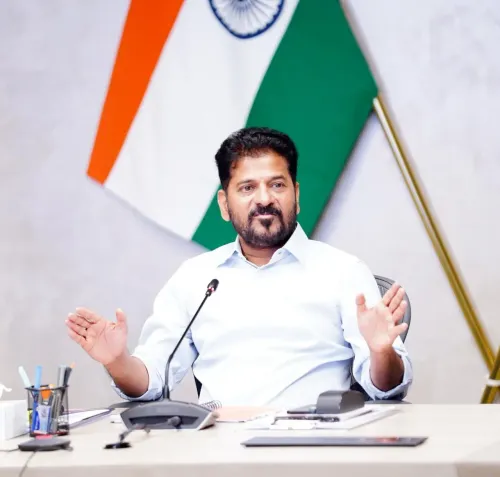
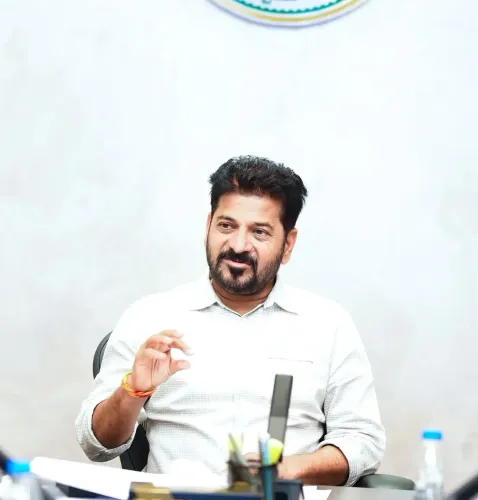
With El Niño casting a shadow over the monsoon and drought warnings mounting, Telangana Chief Minister A. Revanth Reddy chaired a high-level review meeting with senior officials on October 15, 2026, directing the entire state machinery to act now — before drinking water and electricity shortages spiral into a full-blown crisis.
What the CM directed at the drought review
Posting in Telugu on X, Chief Minister Revanth Reddy outlined a multi-pronged preparedness plan drawn from the meeting. 'I have instructed officials to take preemptive measures so that power and drinking water problems do not worsen,' he wrote, adding that 'foolproof plans must be drawn up to ensure people face no disruptions in drinking water supply.'
Crucially, the CM ordered the deployment of Group-1 and Group-2 level officers to every mandal across the state — a ground-level administrative reach-down designed to keep real-time information flowing back to the Chief Secretary. He also called for sustained public awareness campaigns on El Niño's effects, and directed all departments to work in coordination so that no citizen is left without support.
Why El Niño hits Telangana especially hard
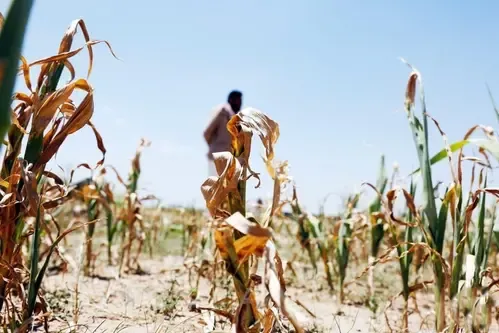
Telangana, formed in 2014, sits largely on the rain-fed Deccan Plateau, making its agriculture and rural water supply acutely vulnerable to monsoon deficits. El Niño — the Pacific warming event that historically suppresses Indian monsoon rainfall — has triggered deficient seasons in years like 2015 and 2023, both of which strained drinking water infrastructure and farm output across peninsular India.
When El Niño conditions are forecast, the knock-on effects run deep: reservoirs draw down faster, groundwater recharge slows, and rural power demand for irrigation pumps spikes precisely when supply becomes erratic. Addressing all three at once demands exactly the kind of inter-departmental, district-level coordination Revanth Reddy signalled on Wednesday.
Telangana's drought-preparedness machinery
Since its formation, Telangana has maintained dedicated contingency planning mechanisms for drought and deficient-rainfall years, aligning with national frameworks built around India Meteorological Department advisories and Ministry of Agriculture guidelines. Deploying gazetted officers to mandal level during climate stress periods is a tested intervention across southern states — it shortens the information lag between the field and the secretariat and enables faster release of contingency resources.
What the CM's directive adds is an explicit, named chain: mandal officers report upward to the Chief Secretary, who feeds into government-wide response. Whether additional contingency funds are unlocked or a formal drought declaration follows will depend on how IMD's updated long-range forecasts for the season evolve in the weeks ahead.
Farmers and rural households across Telangana's drought-prone districts will now watch whether the administrative machinery activated at the top reaches their fields and taps — and how fast.
Point of View
Directive-heavy response to El Niño signals a conscious effort to project administrative command — particularly important for a Congress government that came to power in late 2023 partly on promises of better governance and farmer welfare. Deploying named officer tiers to every mandal is a measurable accountability structure that gives the CM political cover if disruptions occur and political credit if they do not. More broadly, the move fits a pattern among southern state governments of treating climate-risk reviews as governance performance events, with the real test being whether the administrative chain activated at the secretariat actually functions at the village tap and substation. The watch item is whether IMD's forecast trajectory triggers formal drought declarations — and with them, the contingency funds that determine whether this review becomes policy or theatre.
NationPress
15 Oct 2026
Frequently Asked Questions
Why did Telangana CM Revanth Reddy hold an El Niño review meeting?
Chief Minister Revanth Reddy convened the meeting to assess drought and rainfall deficiency risks driven by El Niño and to issue preemptive directives on drinking water supply, power, and inter-departmental coordination before conditions worsen.
What is El Niño and how does it affect Telangana?
El Niño is a Pacific Ocean warming event that typically weakens the Indian monsoon, leading to below-normal rainfall. Telangana, located on the rain-fed Deccan Plateau, is especially vulnerable, as deficient monsoons reduce reservoir levels, groundwater recharge, and agricultural output.
What steps did CM Revanth Reddy order to tackle the drought threat?
He directed that Group-1 and Group-2 level officers be posted in every mandal for continuous monitoring, that all departments coordinate and report ground-level data to the Chief Secretary, and that public awareness campaigns on El Niño be launched.
How does Telangana handle drought preparedness?
Since its formation in 2014, Telangana has maintained inter-departmental drought contingency mechanisms aligned with national IMD advisories and Ministry of Agriculture guidelines, including deploying field officers during rainfall-deficient periods.
What should Telangana residents watch for next in the El Niño situation?
Residents and farmers should watch for IMD's updated long-range monsoon forecasts, any formal state-level drought declarations, and the possible release of contingency funds — all of which will determine the scale of government relief measures.