CM Revanth Reddy Chairs Monsoon Readiness Review at Secretariat
Synopsis
Telangana CM Revanth Reddy on June 1 chaired a pre-monsoon review at the State Secretariat, directing officials to fast-track irrigation maintenance funding, promote low-water crops amid El Niño concerns, and ensure zero-delay disaster response. Chief Secretary Ramakrishna Rao and DGP C.V. Anand attended.
Key Takeaways
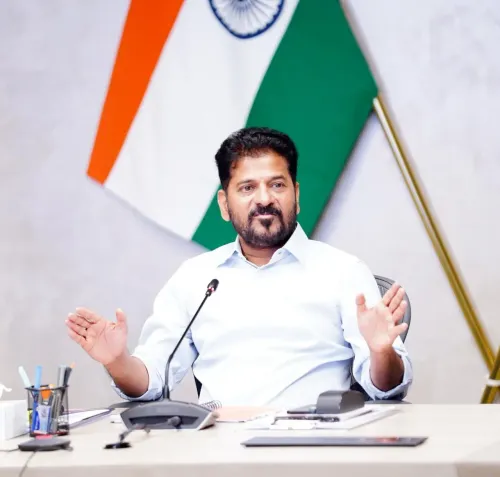
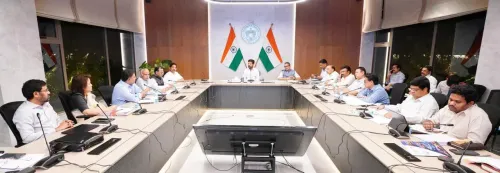
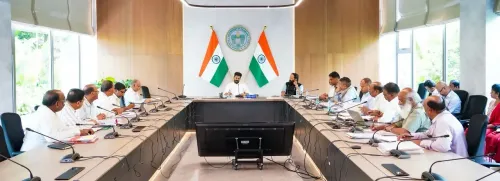
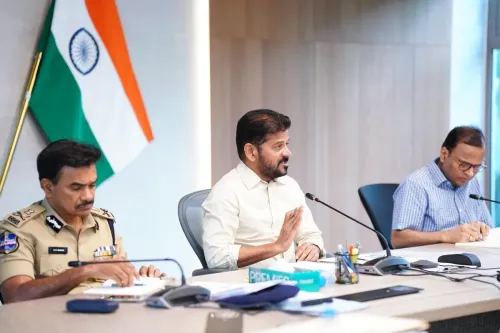
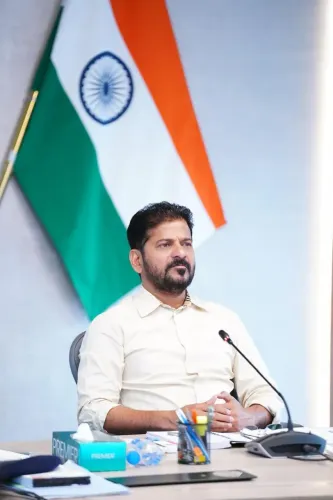
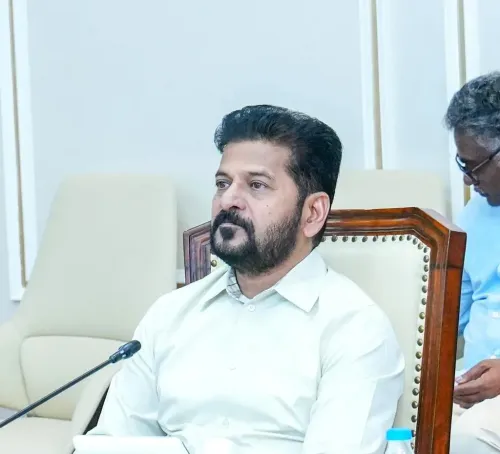
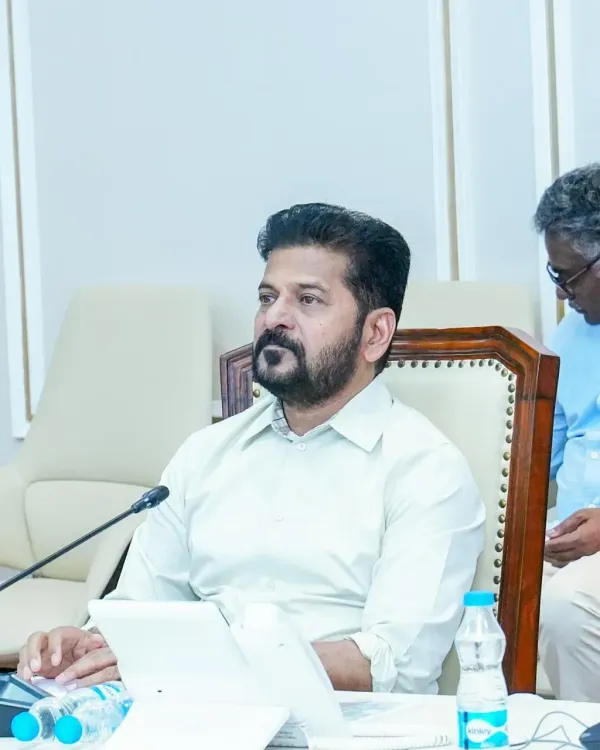
Revanth Reddy chaired a multi-department pre-monsoon preparedness review at the State Secretariat, Hyderabad , on June 1, 2026 .
Meteorological department officials briefed the meeting on 2026 rainfall prospects and the potential impact of El Niño on Telangana.
Officials were directed to promote low water-intensive crops and educate farmers on crop rotation and diversification .
The CM ordered irrigation project maintenance — including gates and allied works — to be completed on a war footing , with maintenance funds to be released immediately .
Departments were instructed to minimise loss of life, property, and livestock during disasters and to maintain instant response readiness .
Chief Secretary Ramakrishna Rao and DGP C.V.
Anand participated in the review.
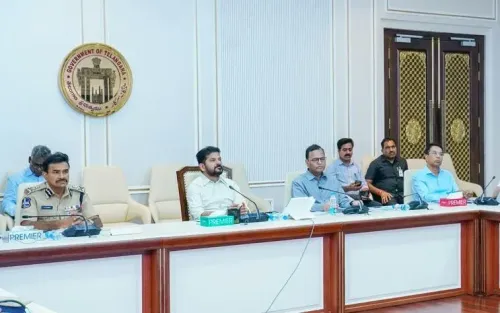
Telangana Chief Minister A. Revanth Reddy chaired a high-level pre-monsoon preparedness review at the State Secretariat, Hyderabad, on Monday, June 1, 2026, bringing together senior officials from agriculture, irrigation, urban development, panchayati raj, health, home, HYDRA, disaster management, and fire services departments.
Context
The Chief Minister convened the meeting to assess the state's readiness ahead of the June–September southwest monsoon season. Officials from the meteorological department delivered a PowerPoint presentation covering this year's rainfall outlook, the influence of El Niño on precipitation patterns, and related climatic factors. The session brought together the state's top administrative and law-enforcement leadership, including Chief Secretary Ramakrishna Rao and Director General of Police C.V. Anand.
Policy Backdrop
Telangana governments have held structured pre-monsoon coordination meetings with line departments every May–June since the state's formation in 2014, with particular focus on irrigation asset maintenance and disaster response protocols. The practice mirrors a broader national pattern in which state administrations synchronise agriculture, irrigation, and disaster management ahead of the monsoon. Telangana's semi-arid geography and large-scale lift-irrigation investments make such reviews especially consequential, as even marginal rainfall deficits can stress both farm output and reservoir levels.
El Niño events, which originate in the Pacific Ocean, are closely tracked by Indian planners because they are historically associated with weakened or erratic monsoon performance across the subcontinent. The India Meteorological Department has issued operational long-range monsoon forecasts every April since 2003, with state-level follow-up reviews becoming standard practice in the weeks that follow.
Key Directives Issued
Revanth Reddy directed officials to raise farmer awareness about the possibility of a rainfall-deficit season and to actively promote low water-intensive crops. He asked departments to educate farmers — referred to in his post as annadaata (providers of food) — on crop rotation and crop diversification as adaptive strategies. On the irrigation front, he ordered that maintenance work on irrigation projects, including gates and allied structures, be completed on a war footing, and that funds required for this maintenance be released immediately.
The Chief Minister also instructed all departments to take advance precautions to prevent loss of human life, property, and livestock during disaster events. He emphasised that in the event of unavoidable damage, agencies must be prepared to respond immediately with a clear action plan. These directives align with the state's standing disaster management framework and the National Disaster Management Authority guidelines on monsoon preparedness.
Stakeholders and Impact
The directives directly affect Telangana's farming community, which relies heavily on both rainfall and the state's network of lift-irrigation and reservoir projects. Urban local bodies and panchayats are also in scope, given the involvement of the urban development and panchayati raj departments in the review. Rural households in flood-prone and drought-prone districts stand to benefit from pre-positioned disaster response mechanisms and early agricultural advisories.
What's Next
Attention will now turn to the release of updated IMD monsoon forecasts in early June and the issuance of formal state orders on irrigation maintenance fund disbursements. District disaster management plans are expected to be finalised in the coming weeks, with field-level awareness campaigns for farmers likely to follow the directives issued at this review.
Point of View
As the southwest monsoon approaches — signals that the Revanth Reddy administration is keen to be seen as proactive on agrarian welfare, a politically sensitive domain in Telangana. The explicit focus on El Niño and crop diversification reflects a wider shift in Indian state governance toward climate-adaptive agricultural planning, moving beyond reactive disaster response. By ordering immediate fund releases for irrigation maintenance in the same meeting, the CM is attempting to close the perennial gap between policy intent and on-ground execution. The presence of both the Chief Secretary and the DGP underscores that this is being treated as a whole-of-government exercise rather than a routine departmental review.
NationPress
20 Oct 2026
Frequently Asked Questions
Why did CM Revanth Reddy hold a monsoon preparedness meeting in June 2026?
CM Revanth Reddy convened the meeting on June 1, 2026, to coordinate all key state departments ahead of the southwest monsoon season and address concerns about potential rainfall deficits linked to El Niño.
What did CM Revanth Reddy order for Telangana's irrigation projects?
He ordered that maintenance work on irrigation projects, including gates and related structures, be completed on a war footing, and directed that the required funds be released immediately.
How does El Niño affect Telangana's monsoon and farming?
El Niño, a Pacific Ocean climate phenomenon, is associated with weaker or erratic monsoon rainfall in India, which can reduce water availability for Telangana's semi-arid farmlands and strain reservoir levels.
What crop advice did Telangana CM give farmers ahead of the 2026 monsoon?
CM Revanth Reddy instructed officials to raise farmer awareness about possible rainfall deficits and to encourage adoption of low water-intensive crops, crop rotation, and crop diversification.
Who attended the monsoon review meeting chaired by CM Revanth Reddy?
Senior officials from agriculture, irrigation, urban development, panchayati raj, health, home, HYDRA, disaster management, and fire services attended, along with Chief Secretary Ramakrishna Rao and DGP C.V. Anand.