Kishan Reddy Chairs Coal Sector Review Meet in New Delhi
Synopsis
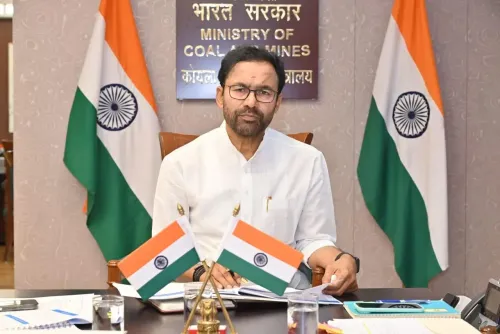
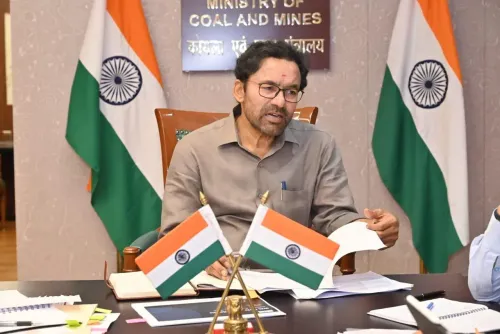
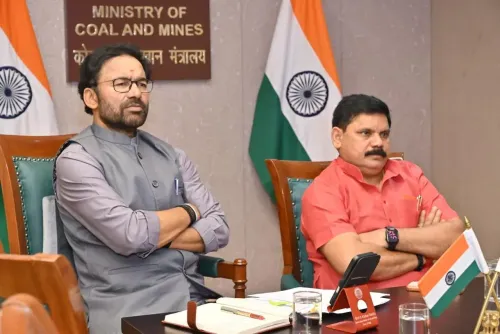
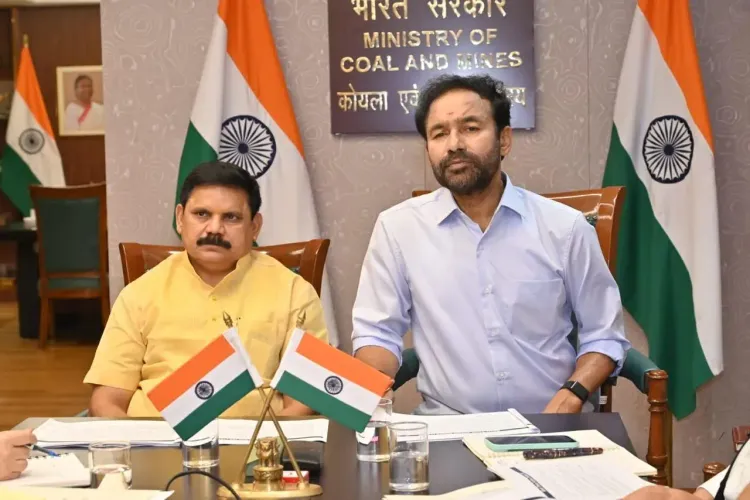
Union Coal and Mines Minister G. Kishan Reddy chaired a review meeting in New Delhi on July 16, 2026, with MoS Satish Dubey and senior Ministry of Coal officials to assess production, dispatch, and operational efficiency strategies for India's coal sector.
Key Takeaways
Kishan Reddy chaired a coal sector review meeting in New Delhi on July 16, 2026 .
Minister of State Satish Dubey and senior Ministry of Coal officials participated in the meeting.
The review covered coal production figures, dispatch data, and progress of key sector initiatives.
Strategies to improve operational efficiency and productivity were discussed to ensure reliable energy supply.
India has progressively raised coal production targets since 2014-15 and opened commercial mining to private players since 2020 .
Thermal power plants and mining companies are the primary stakeholders impacted by the outcomes of such reviews.
Union Coal and Mines Minister G. Kishan Reddy on Thursday, July 16, 2026, chaired a high-level review meeting in New Delhi to assess coal production, dispatch figures, and the progress of key initiatives aimed at strengthening India's coal sector. Minister of State for Coal and Mines Satish Dubey and senior officials of the Ministry of Coal participated in the deliberations.
Context
Reddy posted on X that the meeting reviewed 'coal production, dispatch, and the progress of key initiatives aimed at strengthening the coal sector.' The discussions also covered 'strategies to enhance operational efficiency, improve productivity, and ensure a reliable and sustainable energy supply to meet the nation's growing requirements.' The meeting signals a continued focus at the ministerial level on keeping domestic supply in step with rising electricity demand across the country.
Policy Backdrop
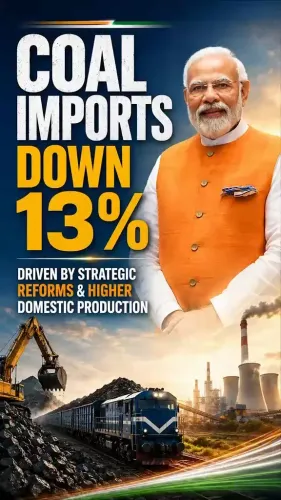
India's coal policy has undergone significant structural shifts since 2020, when the government opened commercial coal mining to private entities through competitive auctions — a move designed to boost output and reduce dependence on imports. Since 2014-15, production targets for public-sector miners, led by Coal India Limited, have been progressively raised through the expansion of existing mines and the commissioning of new projects. The broader national energy strategy seeks to balance higher domestic coal output with gradual renewable capacity addition and environmental safeguards around mining operations.
The Ministry of Coal has been the nodal body driving these policy shifts, setting production targets, overseeing mine auctions, and monitoring dispatch to thermal power plants that form the backbone of India's electricity grid. Quarterly production and dispatch data released by the ministry serve as key benchmarks for gauging sector health.
Stakeholders and Impact
The primary stakeholders in India's coal supply chain include public and private coal mining companies, thermal power plants that depend on a steady fuel supply, and state electricity distribution companies that procure power for end consumers. Any improvement in operational efficiency or dispatch reliability directly affects electricity availability across industrial, commercial, and residential segments. For mining companies, productivity-linked initiatives can translate into lower per-unit costs and improved margins.
India's thermal power sector remains heavily reliant on domestic coal, and disruptions in supply — whether due to logistical bottlenecks or production shortfalls — have historically triggered power shortages in peak demand seasons. Ministerial-level reviews of this nature are designed to pre-empt such gaps and course-correct in real time.
What's Next
Observers will watch for fresh announcements emerging from this review, including any productivity-linked incentives, new mine auction schedules, or dispatch improvement targets. The Ministry of Coal is expected to release quarterly production and dispatch data that will indicate whether the strategies discussed translate into measurable gains on the ground. With India's electricity demand continuing to climb, the pressure on domestic coal supply chains to perform consistently is unlikely to ease in the near term.
Point of View
Particularly as coal-rich states remain critical to the party's organisational strategy. The emphasis on 'operational efficiency' and 'sustainable supply' suggests the ministry is calibrating between maximising short-term output and longer-term resource management. How quickly the strategies discussed translate into verifiable production and dispatch gains will be the real test of this review's impact.
NationPress
16 Jul 2026
Frequently Asked Questions
What was discussed at G. Kishan Reddy's coal review meeting on July 16 2026?
The meeting reviewed coal production figures, dispatch data, and the progress of key sector initiatives, and discussed strategies to enhance operational efficiency, improve productivity, and ensure a reliable energy supply for the country.
Who is Satish Dubey in the coal ministry?
Satish Dubey is the Minister of State for Coal and Mines and participated alongside Union Minister G. Kishan Reddy in the July 16 review meeting in New Delhi.
What is India's current coal production policy?
Since 2020 , India opened commercial coal mining to private entities through auctions to boost output and cut imports. Production targets for public-sector miners have been raised progressively since 2014-15 .
Why does India continue to prioritise coal production?
India prioritises domestic coal output to meet rising electricity demand and reduce import dependence, with thermal power plants forming the backbone of the national electricity grid.
What should we watch for after this coal ministry review meeting?
Observers should track quarterly coal production and dispatch data from the Ministry of Coal , as well as any fresh announcements on mine auctions, productivity-linked incentives, or revised dispatch targets.