Kishan Reddy Chairs Coal Ministry Review Meeting
Synopsis
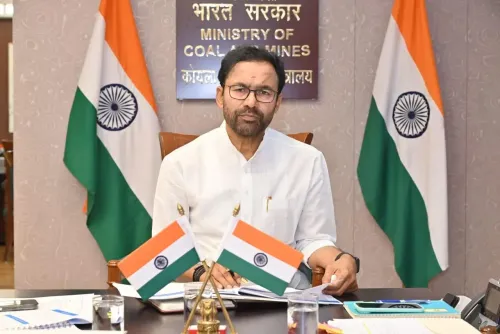
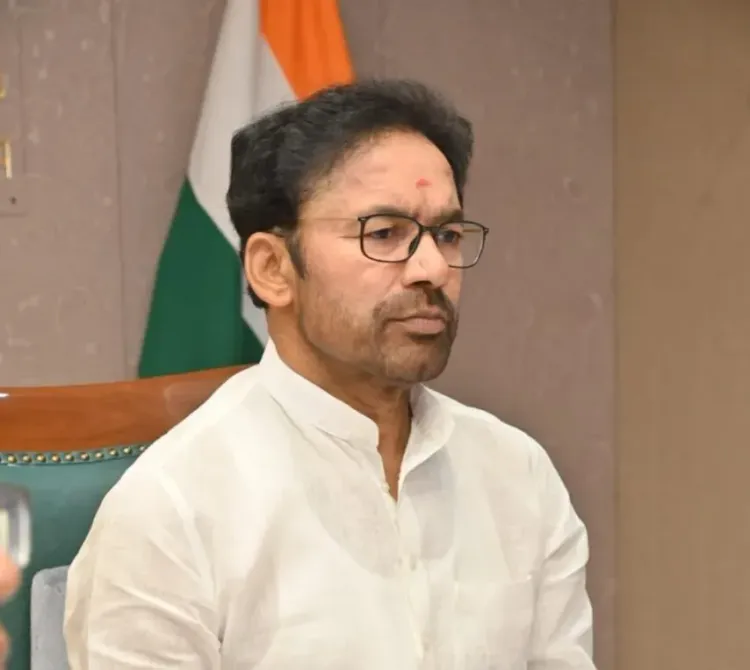
Union Coal and Mines Minister G. Kishan Reddy chaired a review meeting with Ministry of Coal officials on 26 May 2026, focusing on production enhancement, coordination and implementation of ongoing sector initiatives — a routine but significant governance exercise in India's energy security strategy.
Key Takeaways
Kishan Reddy chaired a review meeting with Ministry of Coal officials on 26 May 2026 .
The meeting covered production enhancement, inter-agency coordination, and implementation of ongoing coal sector initiatives.
India opened commercial coal mining to private players in 2020 , the first such liberalisation since nationalisation.
Coal India Limited , the world's largest public-sector coal producer, operates under the administrative control of the ministry.
Coal-bearing states including Jharkhand , Odisha , Chhattisgarh , and Madhya Pradesh are key stakeholders in ministry-level output decisions.
Monthly production and offtake data from the ministry will be the next indicator of follow-through from this review.
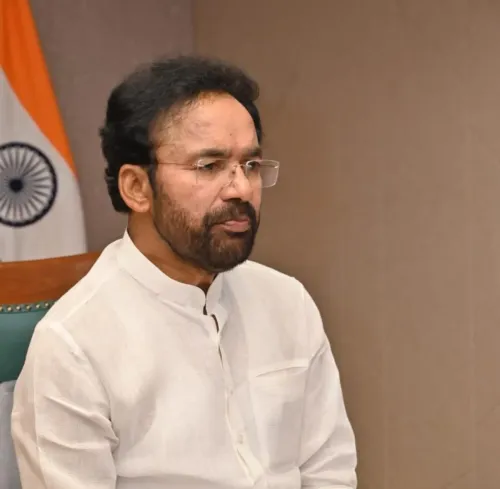
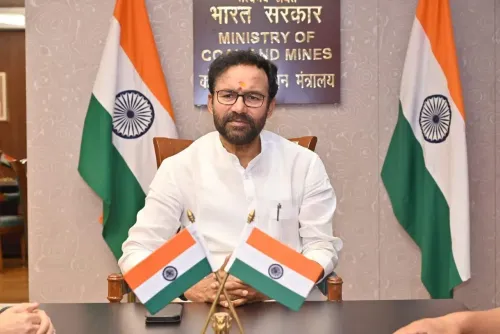
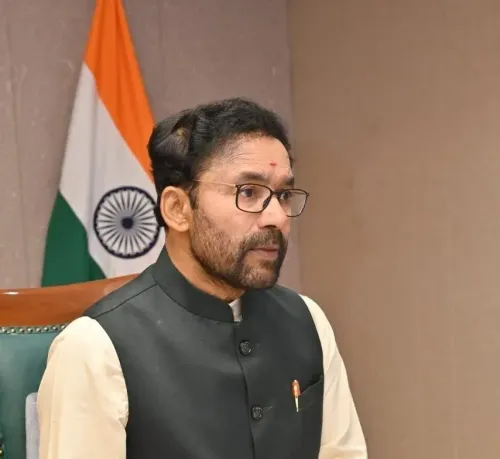
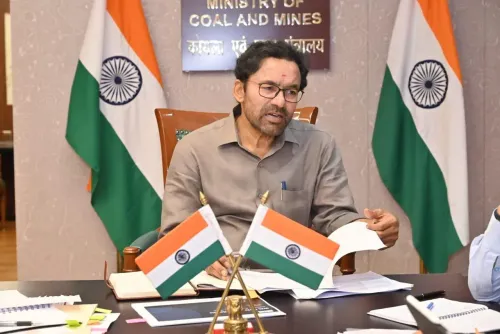
Union Coal and Mines Minister G. Kishan Reddy on Tuesday, 26 May 2026 chaired a review meeting with senior officials of the Ministry of Coal, focusing on production enhancement, inter-agency coordination, and the effective implementation of ongoing sector initiatives.
Context
The minister convened the meeting to assess the current state of the coal sector and take stock of initiatives already under way. In a post on X, Kishan Reddy said he had chaired the review to 'discuss matters related to the sector and review ongoing initiatives aimed at enhancing production, strengthening coordination and effective implementation.' The Ministry of Coal also tagged in the official post, signalling an institutional communication.
Such periodic review meetings are a standard governance instrument within the ministry, used to track output against annual targets, resolve inter-agency bottlenecks, and ensure project execution remains on schedule across coal-producing regions.
Policy Backdrop
India's coal sector has undergone significant structural change since 2020, when the central government opened commercial coal mining to private players for the first time since nationalisation — a landmark liberalisation aimed at reducing import dependence and boosting domestic supply. The Ministry of Coal has since conducted regular production reviews with public sector undertakings and state governments to monitor progress against output targets.
Coal India Limited, the world's largest public-sector coal producer and the principal instrument of the ministry's output strategy, remains central to these reviews. Successive governments have treated domestic coal production as a pillar of energy security, even as renewable energy capacity addition accelerates under separate policy streams. The dual-track approach reflects India's near-term dependence on thermal power while it transitions to cleaner sources.
Stakeholders and Impact
The outcomes of ministry-level reviews directly affect a wide range of stakeholders: coal producers including Coal India Limited and its subsidiaries, thermal power utilities that depend on steady fuel supply, and coal-bearing states such as Jharkhand, Odisha, Chhattisgarh, and Madhya Pradesh that receive royalties and employment from mining activity. Any decisions on production ramp-ups or coordination fixes feed through to electricity generation capacity and, ultimately, industrial and household power consumers.
Coordination between the coal ministry, state governments, railways, and power utilities is a recurring operational challenge, making structured reviews an important lever for the ministry to identify and address supply-chain friction.
What's Next
Observers will watch for the Ministry of Coal's monthly production and offtake data releases, which will indicate whether the review translates into measurable output gains. Any fresh coal block allocations, policy amendments, or budget-linked announcements in Parliament would be the next formal signal of the ministry's direction. As power demand continues to grow ahead of the summer peak, the pressure on domestic coal supply chains is likely to keep such reviews a regular feature of the ministry's calendar.
Point of View
Raising the complexity of coordination across government and corporate stakeholders. For G. Kishan Reddy, who holds both the coal portfolio and the BJP's Telangana state presidency, visible administrative engagement signals hands-on governance ahead of a period of heightened power demand. The dual pressure of sustaining thermal supply while managing the optics of India's energy transition makes these reviews politically as well as operationally consequential. How quickly production data reflects the meeting's outcomes will determine whether the exercise is seen as substantive policy management or routine process.
NationPress
19 Sept 2026
Frequently Asked Questions
Why did G. Kishan Reddy chair a coal ministry review meeting?
The meeting was held to discuss ongoing initiatives in the coal sector, with a focus on enhancing production, strengthening coordination between agencies, and ensuring effective implementation of existing programmes.
What does the Ministry of Coal do in India?
The Ministry of Coal is the central government body responsible for policy formulation, regulation, and production oversight in India's coal sector, including administrative control over Coal India Limited.
What is Coal India Limited and why is it important?
Coal India Limited is the world's largest public-sector coal producer and operates under the Ministry of Coal; it is central to India's domestic fuel supply for thermal power generation.
When did India open coal mining to private companies?
In 2020, the central government opened commercial coal mining to private sector participants for the first time since the nationalisation of the sector.
What should we watch for after this coal ministry review?
The Ministry of Coal's monthly production and offtake data releases will indicate follow-through, while any fresh coal block allocations or policy announcements in Parliament would signal the next formal step.