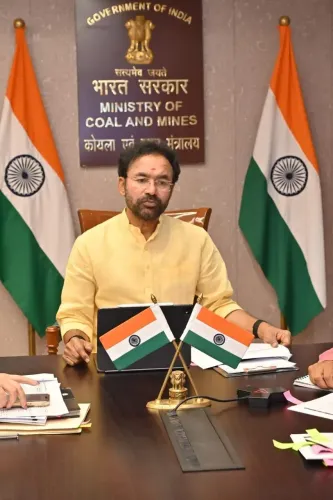
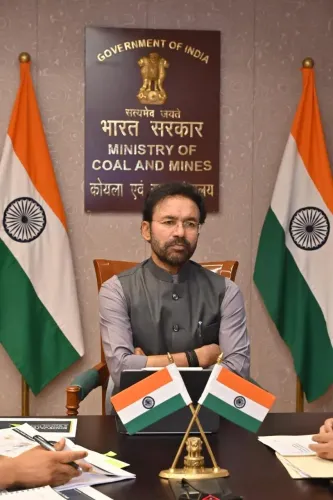
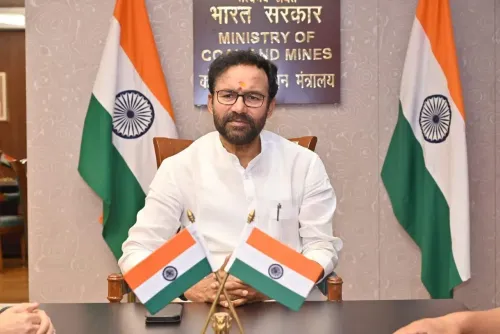
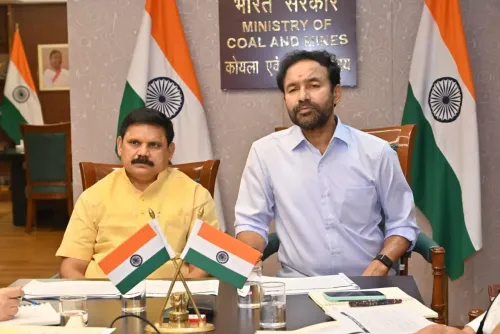
Kishan Reddy Chairs Coal Ministry Review on Output and Worker Welfare
Synopsis
Union Coal and Mines Minister G. Kishan Reddy chaired a senior-level review at the Ministry of Coal in New Delhi on 6 August 2026, covering production and dispatch targets, worker welfare initiatives, and strategies to boost operational efficiency and ensure reliable energy supply.
Key Takeaways
Kishan Reddy chaired a review meeting with senior Ministry of Coal officials in New Delhi on 6 August 2026 .
The agenda covered coal production and dispatch performance, operational efficiency strategies, and energy supply reliability.
Worker welfare — including citizen-centric initiatives for coal sector employees and their families — was a formal agenda item alongside production metrics.
Coal supplies over half of India's electricity, making ministerial oversight of output and dispatch a direct energy-security concern.
Commercial coal mining was opened to the private sector in 2020 , adding a new layer of capacity that these reviews help monitor.
Statutory welfare frameworks under the Coal Mines Labour Welfare Fund Act and Coal Mines Provident Fund Act underpin the sector's labour protections.
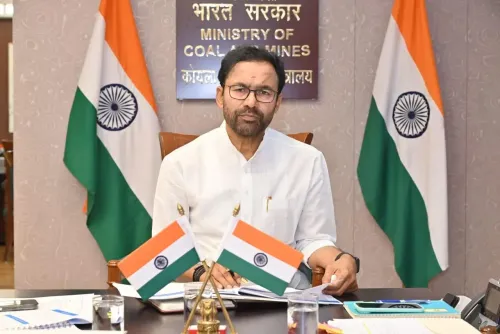
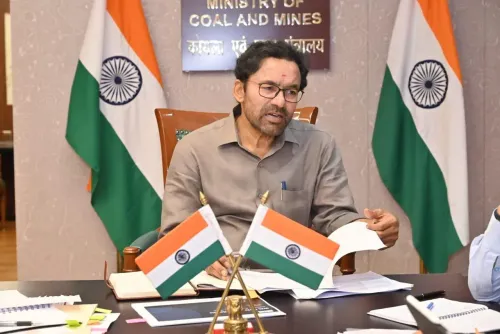
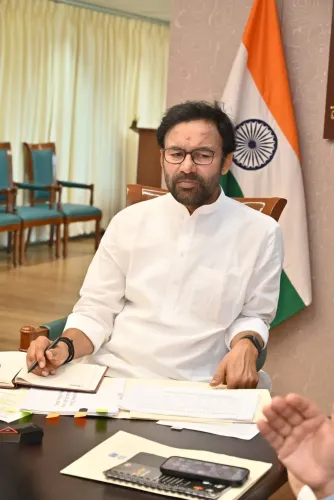
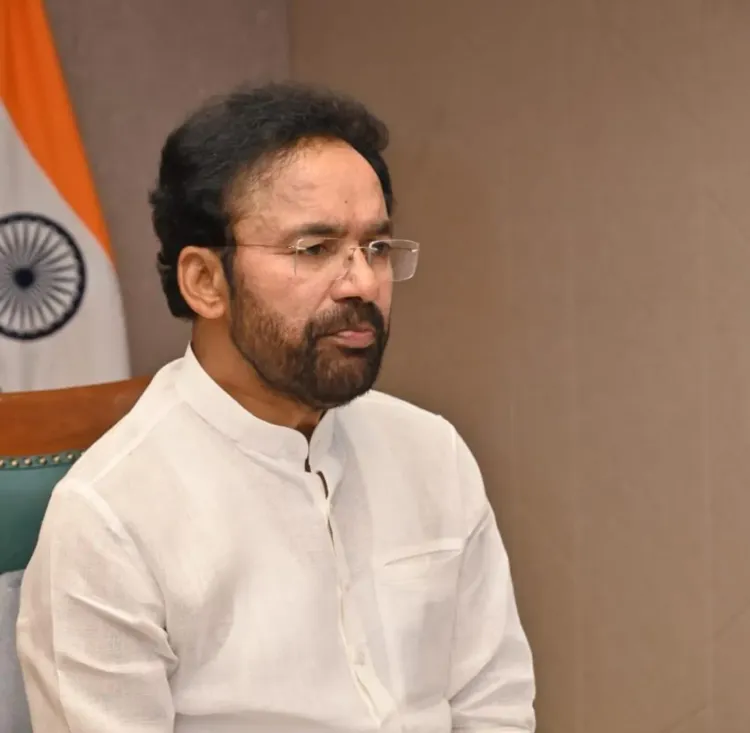
Union Coal and Mines Minister G. Kishan Reddy convened a high-level review meeting with senior officials of the Ministry of Coal in New Delhi on Thursday, 6 August 2026, taking stock of coal production, dispatch performance, and welfare measures for workers and their families across the sector.
The minister confirmed the meeting on X (formerly Twitter), stating that discussions covered 'coal production, dispatch, citizen-centric initiatives for the welfare of coal sector workers and their families, and strategies to enhance operational efficiency and ensure a reliable energy supply for the nation.' The post tagged the official @CoalMinistry handle, signalling a formal ministerial engagement rather than a routine administrative check-in.
Coal's Central Role in India's Power Grid
The stakes behind such reviews are significant. Coal remains the backbone of India's electricity generation, supplying well over half the country's power. Any gap between production targets and actual output ripples directly into the grid — and into industrial and household supply. Periodic ministerial reviews are a standard mechanism the Ministry of Coal uses to track progress against annual production programmes and five-year targets, and to course-correct before shortfalls become crises. The agenda item on 'operational efficiency' points to an ongoing drive to squeeze more output from existing mines even as new capacity comes online through commercial auction routes introduced since 2020, when private sector participation in coal mining was formally opened up under landmark policy reforms.Worker Welfare: A Statutory Commitment Under the Spotlight
The explicit mention of 'citizen-centric initiatives' for coal sector workers and their families is notable. The sector's labour welfare architecture rests on long-standing statutory foundations — the Coal Mines Labour Welfare Fund Act and the Coal Mines Provident Fund Act — which mandate contributions toward housing, medical care, education, and social security for miners and their dependants. Reddy's decision to place worker welfare alongside production metrics on the same review agenda signals that the ministry is treating both as equally non-negotiable pillars of sector governance. The next indicator to watch: the ministry's quarterly coal production and offtake data release, and any follow-up announcements on efficiency measures or fresh welfare scheme rollouts stemming from today's review.Point of View
Politically significant mining workforce. Placing worker welfare explicitly on a production review agenda — rather than treating it as a separate HR matter — suggests Reddy is framing coal governance as an integrated policy challenge, not a pure output exercise. For the BJP, which holds power in a state like Telangana where coal belt constituencies matter, that framing carries electoral as well as administrative logic. The broader arc here is India's push to maximise domestic coal capacity even as it juggles long-term energy transition commitments.
NationPress
21 Sept 2026
Frequently Asked Questions
What was discussed at G. Kishan Reddy's Coal Ministry review meeting on 6 August 2026?
The meeting covered coal production and dispatch targets, citizen-centric welfare initiatives for coal sector workers and their families, strategies to enhance operational efficiency, and ensuring a reliable energy supply for the nation.
Why does the Coal Ministry hold regular review meetings?
The Ministry of Coal conducts periodic reviews to monitor progress against annual production programmes and five-year targets, identify shortfalls early, and coordinate between mines, power utilities, and welfare bodies.
What welfare laws protect coal sector workers in India?
The Coal Mines Labour Welfare Fund Act and the Coal Mines Provident Fund Act are the key statutory frameworks, mandating contributions for housing, medical care, education, and social security for miners and their dependants.
When was private sector participation in coal mining allowed in India?
Commercial coal mining auctions were launched in 2020 , enabling private companies to bid for coal blocks under a transparent auction mechanism introduced through policy reforms.
Who is G. Kishan Reddy?
G. Kishan Reddy is the Union Minister of Coal and Mines in the Government of India and also serves as the BJP Telangana state president.