Kishan Reddy Reviews Coal Ministry Projects in New Delhi
Synopsis
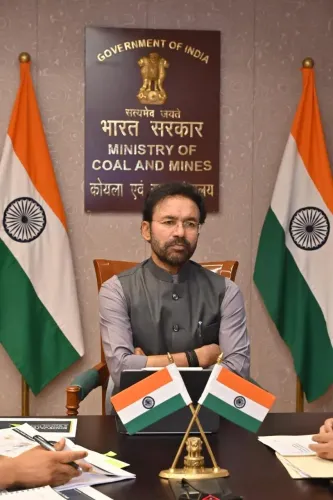
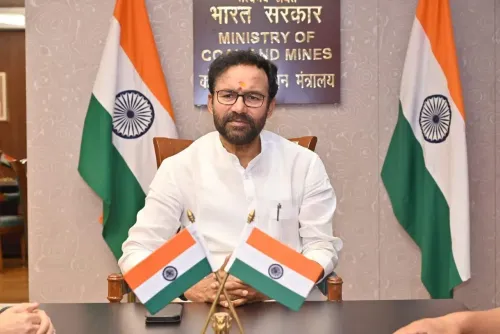
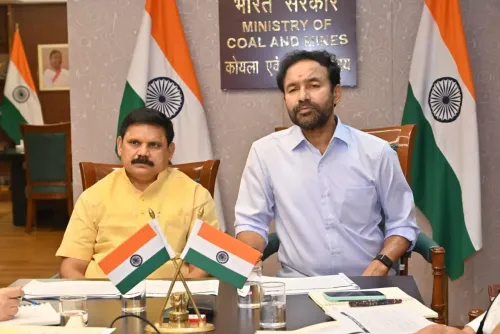
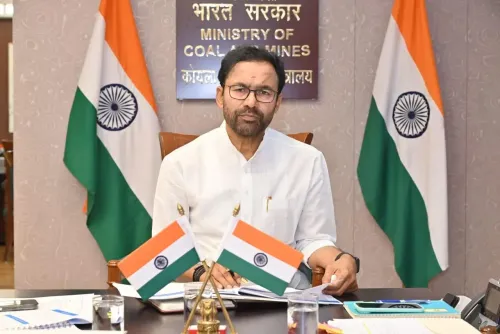
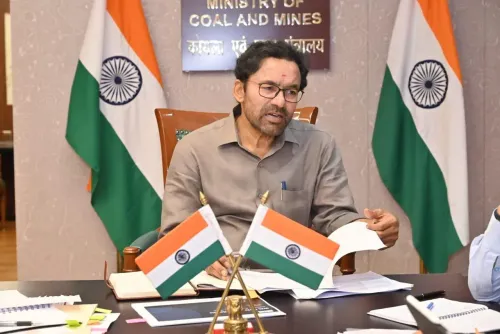
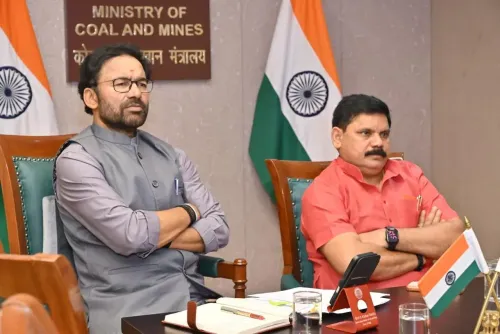
Union Coal and Mines Minister G. Kishan Reddy met senior Coal India and Ministry officials in New Delhi on 22 June 2026 to review ongoing projects, with discussions focused on operational efficiency, infrastructure strengthening, and sustainable growth of India's coal sector.
Key Takeaways
Kishan Reddy chaired a review meeting with senior Coal India Limited and Ministry of Coal officials in New Delhi on 22 June 2026 .
Discussions covered operational efficiency, infrastructure development, and sustainable growth of India's coal sector.
Coal India Limited is the world's largest coal producer and the backbone of India's domestic coal supply.
India sources roughly half its primary energy from coal, making sector performance central to national energy security.
The review builds on major reforms including the 2020 opening of commercial coal mining to private players.
Quarterly production data and potential announcements in the winter parliamentary session will indicate follow-through on the priorities discussed.
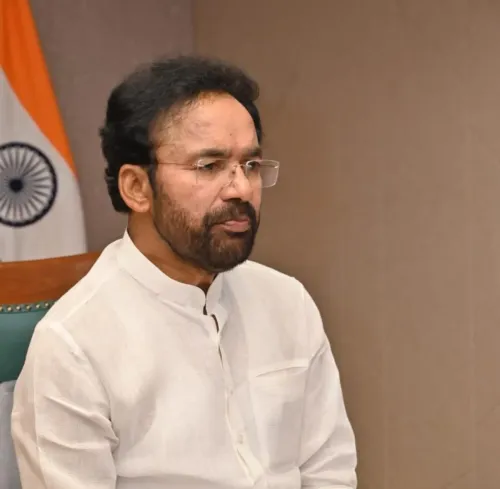
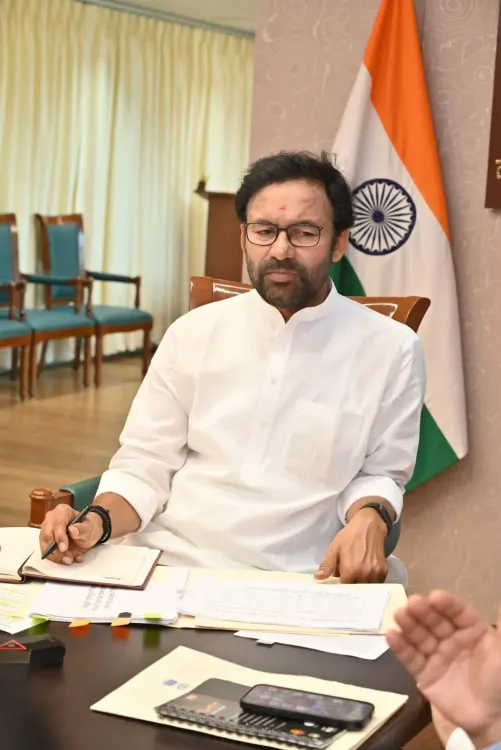
Union Coal and Mines Minister G. Kishan Reddy on Monday, 22 June 2026, chaired a review meeting at New Delhi with senior officials of Coal India Limited (CIL) and the Ministry of Coal, examining ongoing projects and key initiatives aimed at strengthening India's coal sector. The minister said discussions centred on enhancing operational efficiency, building out infrastructure, and supporting the sustainable growth of domestic coal production to meet the country's energy needs.
Context
Posting on X, G. Kishan Reddy said he 'reviewed various initiatives and ongoing projects of the Ministry of Coal in New Delhi along with senior officials of Coal India.' He added that the meeting 'discussed key priorities aimed at enhancing operational efficiency, strengthening infrastructure and supporting the sustainable growth of India's coal sector to meet the nation's energy needs.' The review signals active ministerial-level engagement at the apex of the country's coal administration.
Coal India Limited, the world's largest coal producer, is a public sector undertaking that accounts for the bulk of India's domestic coal output. Its operational performance directly influences electricity generation capacity and industrial supply chains across the country.
Policy Backdrop
India's coal sector has undergone significant structural reform over the past decade. The Coal Mines (Nationalisation) Act of 1973 had placed the sector under state control, leading to the creation of Coal India Limited in 1975. A 2015 shift to e-auction of coal blocks — following a Supreme Court order cancelling prior allocations — improved transparency and revenue realisation for the government.
A landmark 2020 Cabinet decision opened commercial coal mining to private players for the first time, with the explicit goal of raising domestic production and reducing India's dependence on imported coal. The current emphasis on infrastructure and operational efficiency builds directly on that reform trajectory, as the government seeks to align coal sector output with rising power demand while also acknowledging long-term energy transition commitments.
India continues to source roughly half its primary energy from coal, even as it pursues rapid renewable energy expansion. Successive administrations have prioritised domestic coal output, technology adoption — including coal gasification — and mine modernisation to balance energy security with the country's stated goal of reaching net-zero emissions by 2070.
Stakeholders and Impact
Thermal power plants, which depend on a steady and affordable coal supply, are among the most directly affected stakeholders. Any improvement in operational efficiency or logistics infrastructure at Coal India translates into more reliable fuel supply for generators and, ultimately, more stable electricity tariffs for consumers.
The coal mining workforce — one of the largest organised labour groups in India — also has a direct stake in the sector's trajectory. Modernisation drives and infrastructure upgrades affect employment patterns, safety standards, and wage structures at mine sites across states such as Jharkhand, Chhattisgarh, Odisha, and Madhya Pradesh.
What's Next
Analysts and industry observers will watch quarterly coal production and offtake data releases by the Ministry of Coal for concrete indicators of whether the priorities discussed at Monday's review translate into measurable output gains. Any follow-up policy announcements on coal gasification or mine modernisation — particularly in the upcoming winter parliamentary session — will be closely tracked by the power and mining sectors.
As India navigates the tension between its near-term energy security requirements and its longer-term climate commitments, the direction set in ministerial reviews such as this one will shape investment decisions, regulatory priorities, and the pace of the country's energy transition for years ahead.
Point of View
Infrastructure spending announcements, or regulatory tweaks — making the choice of agenda items a signal worth reading carefully. For G. Kishan Reddy, who holds both the Coal portfolio and the BJP's Telangana state presidency, demonstrating active stewardship of a sector critical to power-surplus states carries political weight alongside its administrative significance. The dual emphasis on 'operational efficiency' and 'sustainable growth' reflects a broader governmental balancing act: defending coal's central role in India's energy mix while gesturing toward the net-zero commitments made on the international stage. How quickly the priorities articulated in Monday's review translate into measurable output and infrastructure milestones will be the real test of the meeting's significance.
NationPress
20 Sept 2026
Frequently Asked Questions
Who is G. Kishan Reddy and what ministry does he head?
G. Kishan Reddy is the Union Minister of Coal and Mines in the Government of India and also serves as the BJP's Telangana state president. He is responsible for policy oversight of coal exploration, production, and mining reforms.
What was discussed at the Coal Ministry review meeting on 22 June 2026?
The meeting, chaired by G. Kishan Reddy with senior officials of Coal India Limited and the Ministry of Coal , focused on reviewing ongoing projects and discussing priorities around operational efficiency, infrastructure strengthening, and sustainable growth of India's coal sector.
What is Coal India Limited and why is it important?
Coal India Limited (CIL) is a government-owned public sector undertaking and the world's largest coal producer. It supplies the bulk of India's domestic coal, making it central to the country's electricity generation and industrial activity.
What are the major reforms in India's coal sector in recent years?
Key reforms include the 2015 shift to e-auction of coal blocks for greater transparency, and the landmark 2020 Cabinet decision that opened commercial coal mining to private players for the first time, aiming to boost domestic production and cut import dependence.
How important is coal to India's energy needs?
Coal currently meets roughly half of India's primary energy needs . Despite rapid renewable energy expansion, coal remains the dominant fuel for thermal power generation, and the government continues to prioritise domestic production to ensure energy security.