Coal Minister Kishan Reddy Hails Miners, Safety Culture
Synopsis
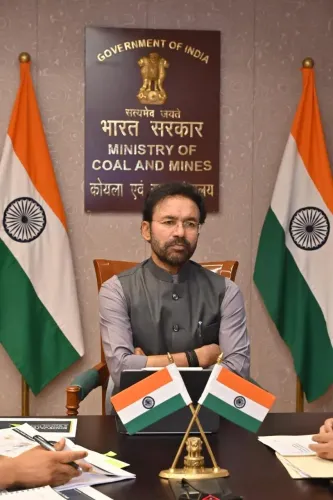
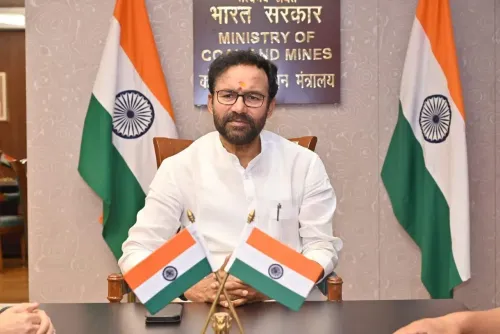
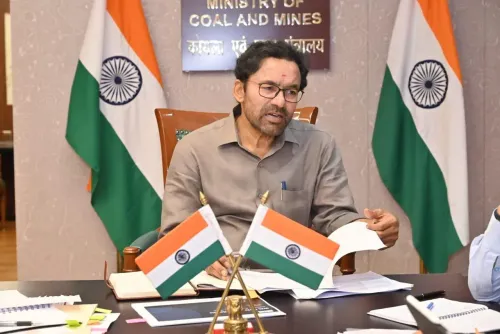
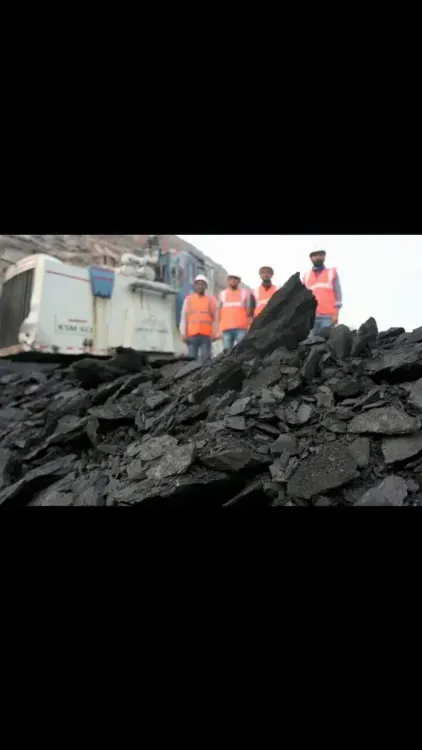
Union Coal and Mines Minister G. Kishan Reddy on 20 July 2026 honoured India's coal miners, saying every tonne mined reflects worker skill, advanced technology, and a safety-first culture that energises the nation and underpins its industrial and energy future.
Key Takeaways
Union Coal and Mines Minister G.
Kishan Reddy posted a tribute to India's coal miners on 20 July 2026 , tagging the Ministry of Coal .
He described each tonne of coal mined as a reflection of miner skill, advanced technology, and a workplace culture that prioritises safety above all else.
The statement reinforces the government's framing of coal as essential to industrial development and India's long-term energy security.
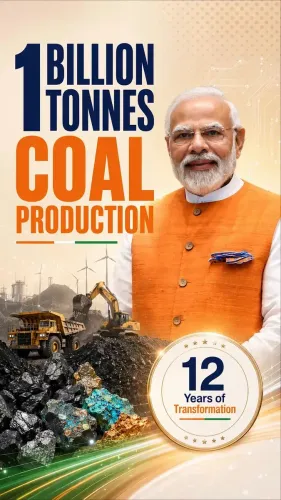
India has pursued production targets rising from roughly 600 million tonnes toward 1 billion tonnes annually since 2014 , with commercial mining opened to private players from 2020 .
Coal India Limited , the dominant state-owned producer, has been central to mechanisation and safety modernisation efforts in recent years.
Upcoming provisional production data for 2025-26 and potential new mine safety rules in Parliament are the next key developments to watch.
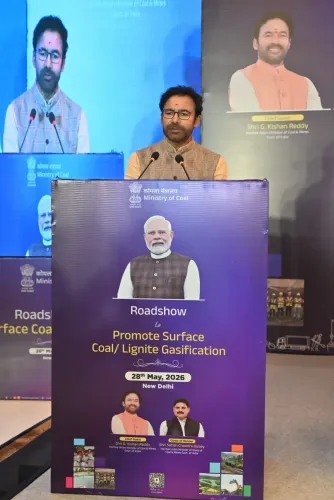
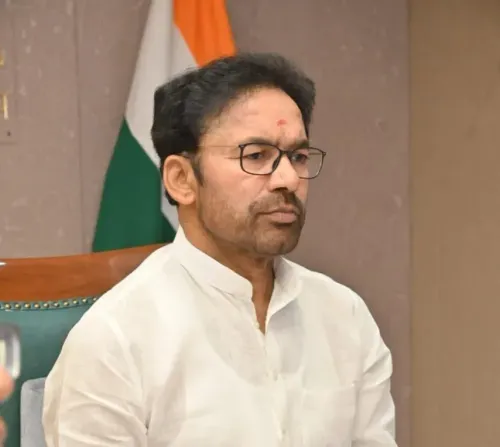
Union Coal and Mines Minister G. Kishan Reddy on Monday, 20 July 2026 paid tribute to India's coal miners, calling every tonne of coal mined a testament to worker skill, advanced technology, and a safety-first workplace culture, in a post addressed to the Ministry of Coal.
Context
Reddy's post underscores the official framing of coal not merely as a commodity but as the backbone of India's industrial and energy infrastructure. Stating that miners 'energise the nation, enable industrial development, and reinforce India's energy future,' the minister positioned the sector's workforce and modernisation drive as central to national progress.
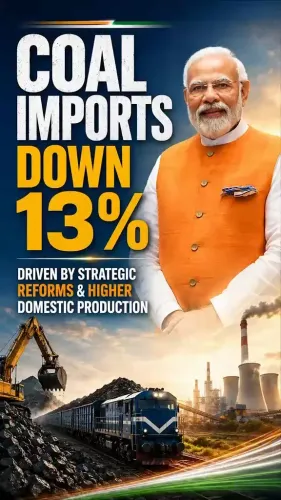
The message comes as the government has pursued aggressive domestic coal production targets, seeking to reduce dependence on imports and secure baseload power supply even as renewable capacity expands rapidly across the country.
Policy Backdrop
India's coal sector underwent a structural shift following the Coal Mines (Special Provisions) Act, 2015, which opened commercial mining to private players, with block auctions commencing in 2020. Since 2014, successive annual production targets have been set with the stated ambition of scaling output from roughly 600 million tonnes toward 1 billion tonnes per year.
Coal India Limited (CIL), the state-owned enterprise that accounts for the bulk of domestic output, has been at the centre of mechanisation and safety modernisation programmes. High-profile mine accidents in earlier years prompted tighter regulatory attention and investment in technology upgrades at CIL-operated facilities.
The minister's explicit reference to 'advanced technology' and a culture that 'places safety above all else' aligns with this longer arc of reform, signalling continued official emphasis on making Indian mines both more productive and safer for workers.
Stakeholders and Impact
The primary stakeholders in India's coal ecosystem include the hundreds of thousands of coal miners employed across public and private sector mines, and the thermal power plants that depend on a steady domestic coal supply to keep the national grid stable. Disruptions in coal output have historically translated directly into power shortages affecting homes and industries alike.
For mining communities, ministerial recognition of worker skill and safety carries both symbolic and practical weight — it signals that occupational safety remains a policy priority at the highest level, which advocates have long demanded be backed by enforceable standards and adequate compensation frameworks.
What's Next
Attention in the sector is now focused on the release of provisional coal production figures for 2025-26 and any new mine safety regulations that may be tabled in Parliament. The government's balancing act — pushing higher output while honouring its net-zero 2070 commitment — will continue to define the policy conversation around coal in the months ahead.
As India navigates the tension between energy security and the clean-energy transition, official messaging that centres miner welfare and technological modernisation is likely to remain a recurring theme from the Ministry of Coal.
Point of View
Signals continued commitment to mine safety, and reinforces the BJP government's narrative of coal as an indispensable pillar of national development. The timing matters — as India edges toward its ambitious billion-tonne production goal, keeping miner morale and public confidence in the sector's safety record high is as much a political imperative as a policy one. The explicit pairing of 'advanced technology' with 'safety above all else' also preempts criticism from labour and civil society groups who have historically flagged the gap between official safety rhetoric and on-ground conditions. Ultimately, the post is a reminder that coal's political economy in India remains deeply intertwined with questions of employment, energy sovereignty, and the slow-moving energy transition.
NationPress
20 Oct 2026
Frequently Asked Questions
What did Coal Minister G. Kishan Reddy say about coal miners?
On 20 July 2026, Minister Reddy said every tonne of coal mined is a testament to the skill of miners, the reliability of advanced technology, and a workplace culture that places safety above all else, adding that miners energise the nation and reinforce India's energy future.
What is India's coal production target?
Since 2014, the Indian government has set successive annual targets aiming to raise domestic coal output from roughly 600 million tonnes to over 1 billion tonnes per year, with Coal India Limited as the primary vehicle for achieving this goal.
Who is G. Kishan Reddy?
G. Kishan Reddy is the Union Minister of Coal and Mines in the Government of India and also serves as the BJP's Telangana state president.
What is Coal India Limited's role in India's coal sector?
Coal India Limited is a state-owned company that accounts for the bulk of India's domestic coal output and operates major mechanised mines across the country, making it central to the government's energy security strategy.
How did India open coal mining to private players?
Commercial coal mining was opened to private companies through the Coal Mines (Special Provisions) Act, 2015, with block auctions beginning in 2020, diversifying the sector beyond the state-owned Coal India Limited.