Kishan Reddy highlights India's reform-driven coal ecosystem
Synopsis
Union Coal and Mines Minister G. Kishan Reddy on 28 May 2026 highlighted India's progress toward a reform-driven coal ecosystem under PM Modi, sharing event images via the Ministry of Coal's official handle and pointing to a decade of liberalisation in coal allocation and private mining.
Key Takeaways
Union Coal and Mines Minister G.
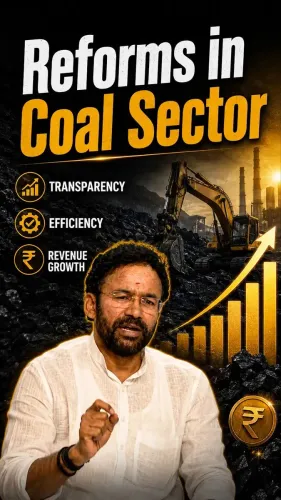
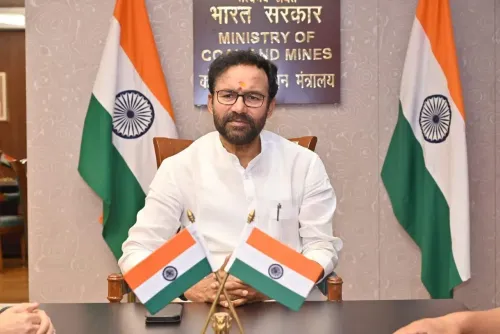
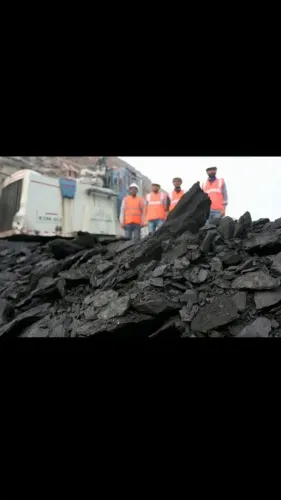
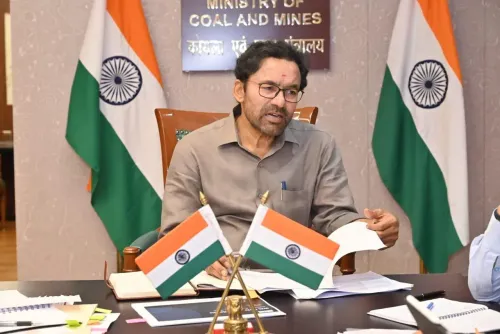
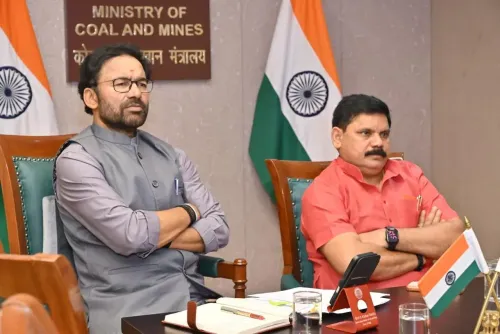
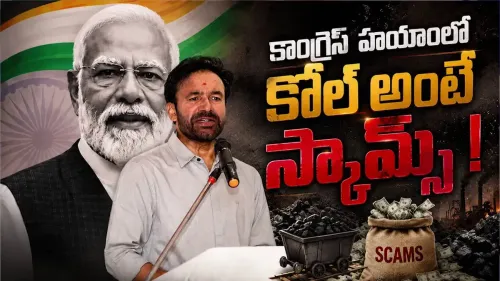
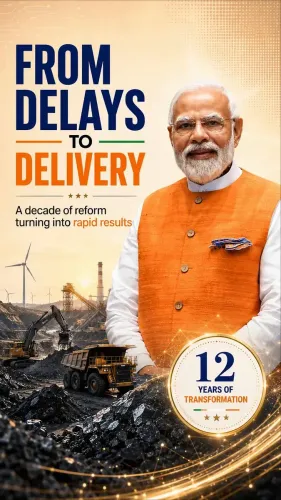
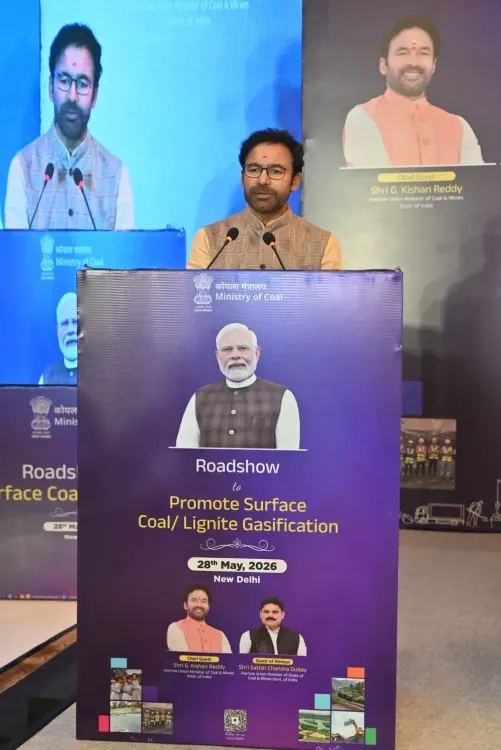
Kishan Reddy posted on 28 May 2026 reaffirming India's commitment to a 'future-ready and reform-driven coal ecosystem.' The post was tagged to the Ministry of Coal and accompanied by four images from an unspecified coal sector event.
India's coal reforms began with the Coal Mines (Special Provisions) Act, 2015 , which introduced transparent e-auction allocation of coal blocks.
In 2020 , the Cabinet opened commercial coal mine auctions to private players for open-market sale, a structural shift in the sector.
Key stakeholders include private mining firms, power generators , and coal workers , all closely watching the pace of further auction tranches.
Amendments to the Mines and Minerals (Development and Regulation) Act remain pending and could deepen reform momentum.
Union Coal and Mines Minister G. Kishan Reddy on Thursday, 28 May 2026, shared glimpses from a coal sector event, reaffirming the government's commitment to building a future-ready and reform-driven coal ecosystem under Prime Minister Narendra Modi.
Context
Posting on X, Minister Reddy stated that 'under the leadership of Hon'ble PM Narendra Modi, India is steadily building a future-ready and reform-driven coal ecosystem.' The post, shared alongside four images from the event, was tagged to the Ministry of Coal, signalling an official ministry-level communication. The specific event was not named in the post.
Reddy, who also serves as BJP Telangana state president, has been a central figure in executing the Modi government's coal sector agenda since taking charge of the Coal and Mines portfolio.
Policy Backdrop
India's coal sector reforms trace back to 2015, when Parliament enacted the Coal Mines (Special Provisions) Act, enabling transparent e-auction allocation of coal blocks following the Supreme Court's cancellation of prior allotments. This laid the legal groundwork for a more competitive and accountable allocation framework.
In 2020, the Cabinet approved the methodology for commercial coal mine auctions, permitting private companies to mine coal for open-market sale — a landmark shift away from the earlier captive-use model. These measures form part of the broader Atmanirbhar Bharat framework aimed at raising domestic production, reducing thermal coal imports, and attracting private investment into the sector.
The Ministry of Coal has since overseen successive tranches of commercial block auctions, progressively expanding private sector participation alongside state-run production.
Stakeholders and Impact
The reforms directly affect private mining firms, power generators, and coal workers across coal-bearing states. Greater private participation is intended to improve efficiency and ramp up output to meet India's growing electricity demand, particularly from thermal power plants.
For power generators, a more competitive coal supply chain can ease fuel security concerns and moderate input costs. For mining communities, the pace and terms of private entry remain a point of close scrutiny, with labour unions watching for any impact on employment conditions.
What's Next
The government is expected to advance the next tranches of commercial coal block auctions in the coming months. Proposed amendments to the Mines and Minerals (Development and Regulation) Act — aimed at streamlining approvals across minerals — remain on the legislative agenda and could further shape the investment climate in the sector.
As India balances its thermal energy needs with renewable capacity expansion targets, the coal ministry's reform momentum will be a key variable in the country's near-term energy security calculus.
Point of View
Not merely a personal statement. Framing the reforms under PM Modi's leadership also fits a consistent BJP pattern of centralising policy credit at the top, even for multi-year institutional processes. Analysts will note that the post arrives as India navigates the tension between sustaining thermal coal output for energy security and meeting its longer-term clean energy commitments.
NationPress
11 Oct 2026
Frequently Asked Questions
What is India's commercial coal mining auction policy?
India's commercial coal mining auction policy, approved by the Cabinet in 2020, allows private companies to bid for coal blocks and sell the mined coal on the open market, ending the earlier restriction to captive use only.
Who is G. Kishan Reddy and what is his role in coal policy?
G. Kishan Reddy is India's Union Minister of Coal and Mines and BJP Telangana state president, responsible for executing the government's coal sector reforms including block auctions and production targets.
What is the Coal Mines Special Provisions Act?
The Coal Mines (Special Provisions) Act, enacted by Parliament in 2015, introduced a transparent e-auction system for allocating coal blocks after the Supreme Court cancelled prior allotments that were found to be irregular.
How does Atmanirbhar Bharat relate to India's coal sector?
Under the Atmanirbhar Bharat framework, the government has liberalised coal allocation rules and opened mining to private players to boost domestic production, reduce thermal coal imports, and attract investment.
What coal policy changes are expected next in India?
The next tranches of commercial coal block auctions and possible amendments to the Mines and Minerals (Development and Regulation) Act are the key policy developments to watch in India's coal sector.