Kishan Reddy: Coal Imports Down 13% in April 2026
Synopsis
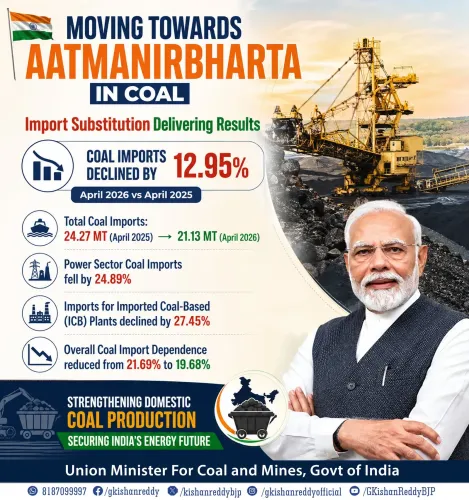
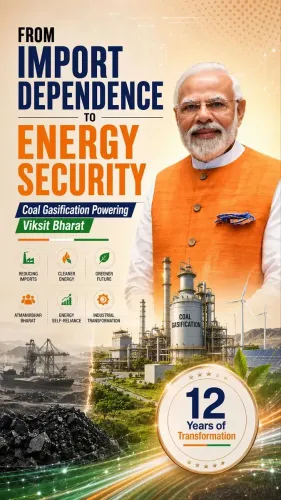
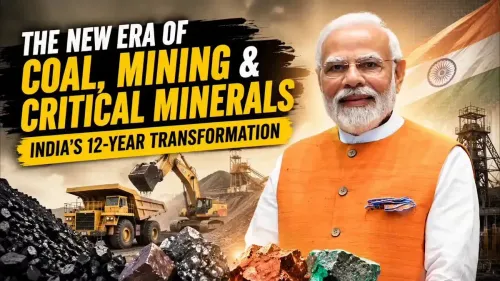
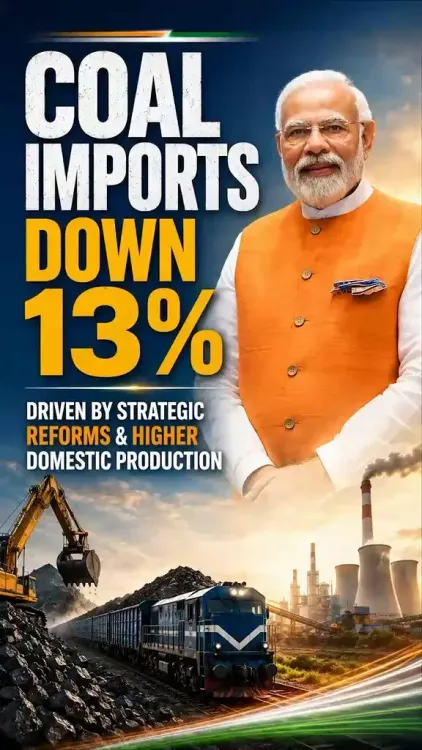
Union Coal and Mines Minister G. Kishan Reddy on 4 July 2026 cited a nearly 13 per cent fall in coal imports in April 2026, calling it proof of India's advancing energy self-reliance under PM Modi's Atmanirbhar Bharat vision and the Viksit Bharat goal.
Key Takeaways
Coal imports fell by nearly 13 per cent in April 2026 , according to Union Minister G.
The Ministry of Coal has attributed the decline to sustained import-substitution efforts and enhanced domestic coal availability.
The government's coal self-reliance drive traces back to the Atmanirbhar Bharat Abhiyan launched in May 2020 , which opened commercial mining to the private sector.
Domestic output targets have progressively scaled from around 600 million tonnes toward the 1 billion tonne mark over the past decade.
Reduced imports are expected to generate foreign exchange savings and ease pressure on thermal power utilities and the current account.
The minister linked the coal import data to the broader Viksit Bharat vision of a self-reliant, developed India by 2047 .
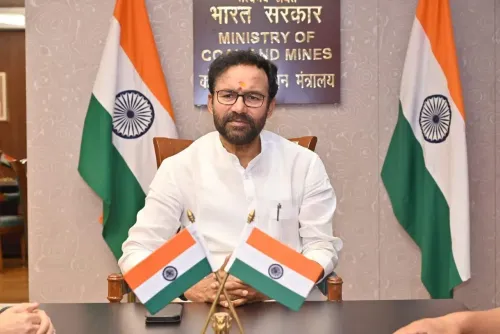
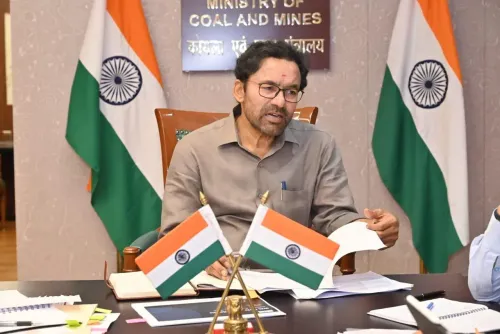
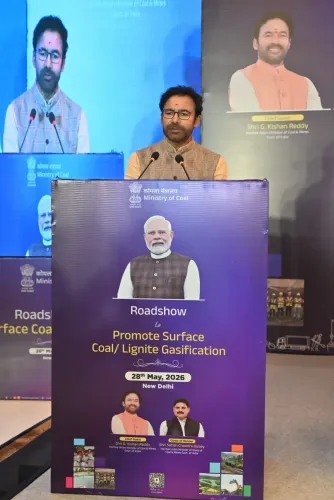
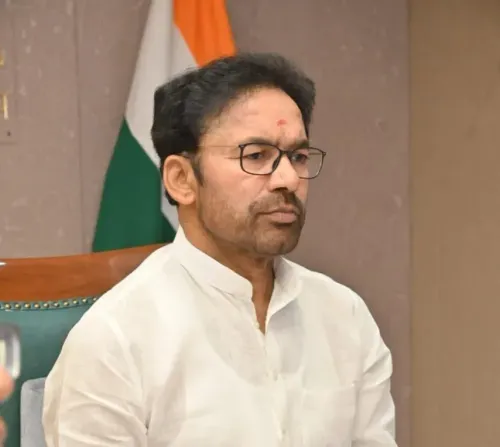
Union Coal and Mines Minister G. Kishan Reddy on Saturday, 4 July 2026, highlighted a nearly 13 per cent decline in coal imports in April 2026, attributing the trend to the government's sustained push for domestic coal production and import substitution under the vision of Prime Minister Narendra Modi.
Context
In a post on X accompanied by a video, Kishan Reddy stated that India is 'steadily reducing its dependence on coal imports while strengthening domestic production and energy security.' He described the April 2026 import figures as a reflection of the Ministry of Coal's 'continued commitment to import substitution, enhanced domestic coal availability, and a resilient energy ecosystem.'
The minister framed the development in terms of the broader Viksit Bharat agenda — the government's vision for a developed India by 2047 — calling it 'not just about coal' but about 'building a stronger economy, a more resilient energy sector.' He concluded the post with the phrase 'Modi Ki Guarantee' [Modi's Guarantee], a campaign formulation used by the ruling BJP to signal policy delivery.
Policy Backdrop
The push to reduce coal import dependence has been a running theme of Modi government policy since 2014. The Atmanirbhar Bharat Abhiyan, launched in May 2020, included significant coal-sector reforms: commercial mining was opened to the private sector, environmental and forest clearances were expedited, and production targets were scaled up sharply.
Successive annual targets from the Ministry of Coal have aimed to push domestic output from roughly 600 million tonnes in the mid-2010s toward the 1 billion tonne mark. Global coal price volatility following 2022 added urgency to the import-substitution drive, as high import costs strained power utilities and widened the trade deficit. Domestic coal block auctions, logistics upgrades, and faster project clearances have been the principal instruments of this strategy.
Stakeholders and Impact
The primary beneficiaries of reduced coal imports are thermal power utilities, which account for the bulk of coal consumption in India, and the broader industrial sector that relies on coal for energy and raw material inputs. Lower import volumes translate into foreign exchange savings for the country, easing pressure on the current account.
Domestic coal producers, led by Coal India Limited and captive mine operators, stand to gain from higher offtake as import substitution creates additional market space. Import-dependent industries — including some steel and cement producers that prefer specific grades of overseas coal — may face continued pressure to shift sourcing or adapt processes to domestically available grades.
What's Next
The government's trajectory will be tested by subsequent monthly production and import data from the Ministry of Coal, which publishes these figures regularly. Any new commercial coal block auctions or logistics investments announced in the Union Budget or parliamentary sessions will signal whether the policy momentum is being sustained.
India's coal strategy also operates alongside a parallel expansion of renewable energy capacity, keeping coal central to baseload power even as the country pursues its clean-energy commitments. The balance between energy security through domestic coal and long-term decarbonisation goals will remain a defining tension in India's energy policy in the years ahead.
Point of View
Cited by Kishan Reddy on a politically significant date, fits a well-established government communication pattern: translating sectoral data into a narrative of self-reliance that reinforces the 'Modi Ki Guarantee' brand ahead of electoral cycles. The coal ministry's import-substitution push is structurally grounded — commercial mining reforms and logistics investments since 2020 have materially raised domestic output — but the pace of import reduction also reflects global price corrections that make overseas coal less attractive, a factor the government communication does not foreground. As India simultaneously expands renewables and defends coal's role in baseload power, Kishan Reddy's framing positions the ministry at the intersection of energy security and economic nationalism, a durable political asset in a country where power cuts remain a live voter concern. The real test of the policy's durability will be whether domestic supply can consistently meet industrial-grade demand without quality or logistics bottlenecks.
NationPress
3 Oct 2026
Frequently Asked Questions
Why did India's coal imports fall in April 2026?
Union Coal Minister G. Kishan Reddy attributed the nearly 13 per cent decline in coal imports in April 2026 to enhanced domestic coal production, the Ministry of Coal's import-substitution drive, and policy reforms introduced under the Atmanirbhar Bharat framework since 2020.
What is India's coal import substitution policy?
India's coal import substitution policy aims to replace overseas coal with domestically mined coal through commercial block auctions, private-sector participation in mining, faster project clearances, and logistics upgrades — all coordinated by the Ministry of Coal under the broader Atmanirbhar Bharat vision.
What is Viksit Bharat and how does coal relate to it?
Viksit Bharat is the government's vision for India to become a fully developed nation by 2047. Coal self-reliance is positioned as a pillar of this vision, with reduced import dependence seen as contributing to energy security, foreign exchange savings, and a stronger domestic economy.
How much has India's domestic coal production grown?
India's domestic coal production targets have scaled from roughly 600 million tonnes in the mid-2010s toward the 1 billion tonne mark, driven by successive annual targets set by the Ministry of Coal and reforms that opened commercial mining to private players from 2020 onward.
What is 'Modi Ki Guarantee' in the context of coal policy?
'Modi Ki Guarantee' is a BJP political formulation used to signal that policy commitments made under Prime Minister Narendra Modi will be delivered. Kishan Reddy used the phrase in his post to link the April 2026 coal import decline to PM Modi's broader promise of energy self-reliance for India.