CM Yogi Warns of Waterborne Disease Risk in UP Flood Zones
Synopsis
Chief Minister Yogi Adityanath has warned of waterborne disease risks in flood-affected areas of Uttar Pradesh, promising full government relief and medical support to residents. The message, shared on September 29, 2026, signals active post-flood health mobilisation across the state's vulnerable river-basin districts.
Key Takeaways
CM Yogi Adityanath issued a direct warning about waterborne disease risks in Uttar Pradesh's flood-affected zones on September 29, 2026 .
The Chief Minister pledged that the 'entire government team' would stand with affected residents and provide all possible assistance.
Post-flood waterborne diseases such as cholera, typhoid, and leptospirosis are the primary secondary health threat the government is targeting.
Uttar Pradesh faces recurring monsoon flooding along major river systems including the Ganga, Yamuna, Ghaghra, and Rapti .
The response framework is grounded in the Disaster Management Act, 2005 , which mandates coordinated state-level relief and health interventions.
State health department surveillance and relief camp operations in coming weeks will determine the on-ground effectiveness of the pledge.
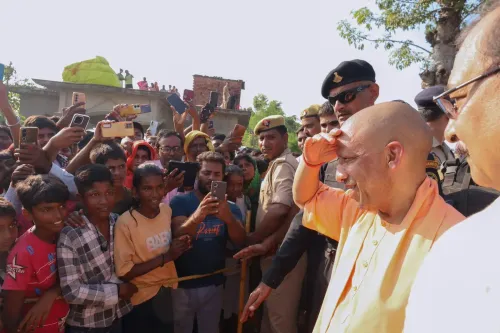
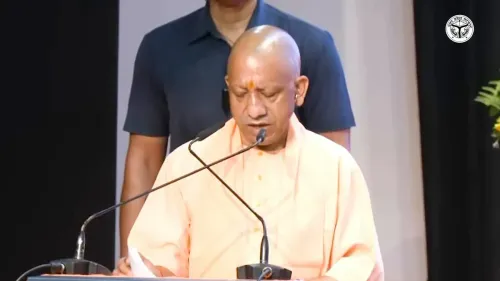
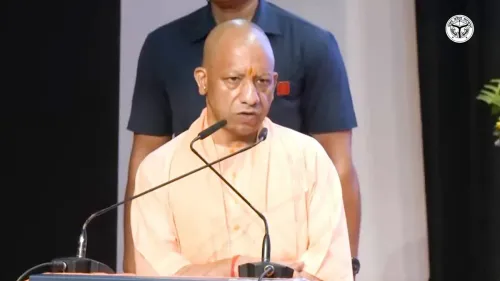
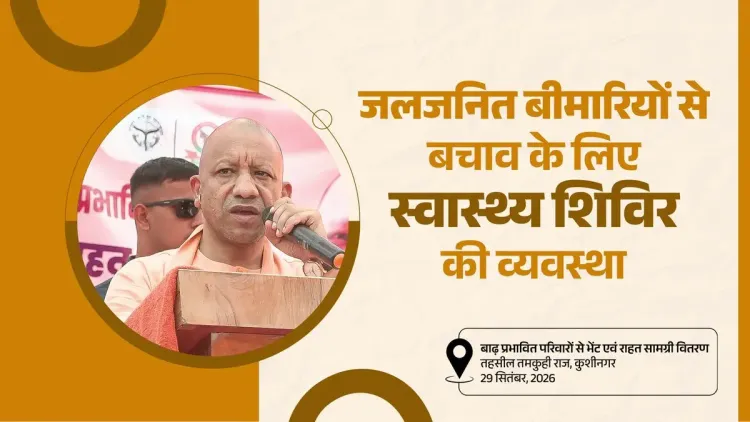
With floodwaters receding across parts of Uttar Pradesh, the next threat quietly moves in — waterborne disease. The Chief Minister's Office of Uttar Pradesh shared a direct message from Chief Minister Yogi Adityanath on Tuesday, September 29, 2026, pledging that the full government machinery would stand alongside flood-affected communities to prevent a secondary health crisis.
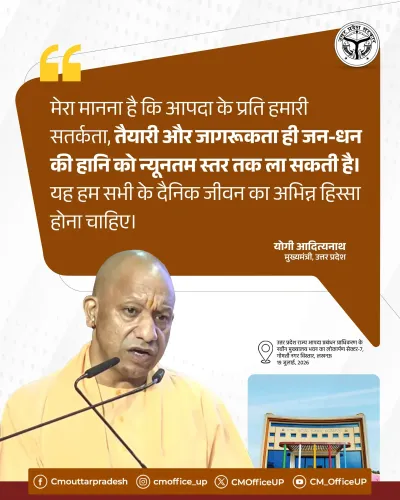
The post, shared from the official CMO handle, quoted the Chief Minister directly: 'बाढ़ प्रभावित क्षेत्रों में जलजनित बीमारियों की आशंका रहती है' — 'In flood-affected areas, the risk of waterborne diseases remains ever-present.' He added that people must receive every form of necessary relief and assistance to guard against this risk, and that 'our entire team stands with you here and will cooperate in every possible way.'
Why the Post-Flood Health Window Is So Dangerous
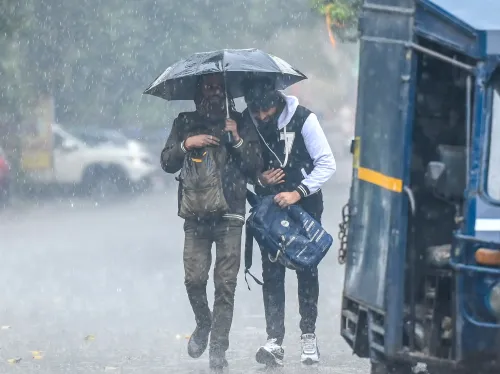
Flooding does not end when the water levels drop. Stagnant pools, contaminated wells, and overwhelmed sanitation systems create ideal conditions for cholera, typhoid, hepatitis A, and leptospirosis — illnesses that can surge through vulnerable communities within days of a flood's peak. This is the window the Uttar Pradesh government is explicitly targeting.
Uttar Pradesh sits along the Ganga, Yamuna, Ghaghra, and Rapti river systems, making dozens of its districts susceptible to annual monsoon inundation. State administrations have historically deployed medical rapid-response teams, oral rehydration solution distribution drives, and water-purification measures in affected zones — a pattern the Chief Minister's message reinforces.
Disaster Management Framework Behind the Response
The government's obligation to mount this response is anchored in the Disaster Management Act, 2005, which established state-level frameworks for coordinating flood relief and post-disaster public health interventions. Under this framework, the State Disaster Management Authority and the health department are expected to operate in tandem — deploying surveillance teams, setting up medical camps, and ensuring clean drinking water reaches relief shelters.
CM Yogi Adityanath, who has led the state since 2017, has repeatedly framed flood response as a test of administrative reach — the ability of government to be physically present in the most inaccessible, waterlogged corners of the state.
What Flood-Affected Residents Should Watch For
The Chief Minister's message is as much a public health advisory as a political signal. Residents in inundated areas are being urged to seek assistance proactively — a cue that government teams, including medical personnel, are expected to be on the ground. State health department surveillance reports and relief camp operations in the coming weeks will be the real measure of whether the promise translates into reach.
The kicker is simple: a government that shows up before the fever spikes saves far more lives than one that responds after the outbreak is declared.
Point of View
Post-flood health failures in large north Indian states have carried significant political costs, making proactive messaging a strategic as much as a humanitarian imperative. Whether the ground deployment matches the messaging will be the real political verdict.
NationPress
29 Sept 2026
Frequently Asked Questions
What did CM Yogi Adityanath say about floods in UP?
CM Yogi Adityanath warned that flood-affected areas face a serious risk of waterborne diseases and assured residents that the full government team would provide all necessary relief and assistance to help them stay safe.
Which waterborne diseases are common after floods in Uttar Pradesh?
After floods, the most common waterborne diseases in UP include cholera, typhoid, hepatitis A, and leptospirosis, all of which spread through contaminated water sources and poor sanitation conditions.
Which districts in UP are most vulnerable to monsoon flooding?
Districts along the Ganga, Yamuna, Ghaghra, and Rapti river systems in Uttar Pradesh are historically the most vulnerable to annual monsoon flooding and its associated health risks.
What is the Disaster Management Act 2005 and how does it apply to UP floods?
The Disaster Management Act, 2005, established legal frameworks for state-level coordination of flood relief and post-disaster public health interventions, requiring state authorities to deploy medical teams, ensure clean water, and run relief operations.
How does the UP government respond to post-flood health crises?
The Uttar Pradesh government typically deploys medical rapid-response teams, distributes oral rehydration solutions, sets up health surveillance camps, and runs water-purification drives in flood-affected areas to prevent disease outbreaks.