Is Trump Planning a Visit to China in April and Hosting Xi in the US Later This Year?
Synopsis
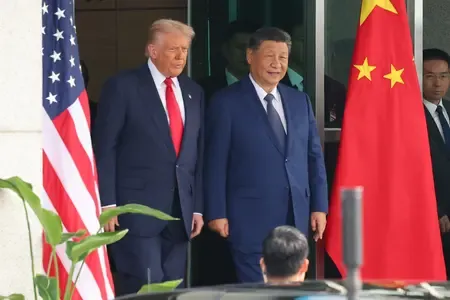
US President Donald Trump has revealed plans to visit China in April and host Chinese President Xi Jinping in the US later this year. This marks a significant moment for US-China relations, hinting at renewed leader-level discussions amidst evolving diplomatic dynamics.
Key Takeaways
Trump plans to visit China in April .
Xi Jinping will visit the US later this year .
Positive remarks on US-China trade relations .
Focus on personal diplomacy between leaders .
Implications for US-China economic ties .
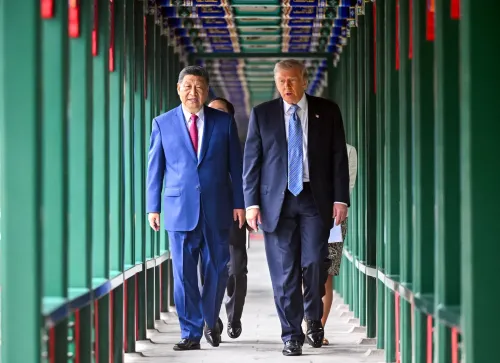
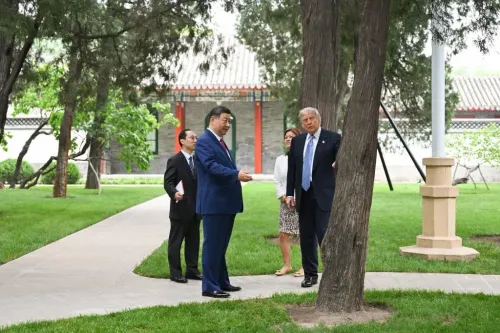
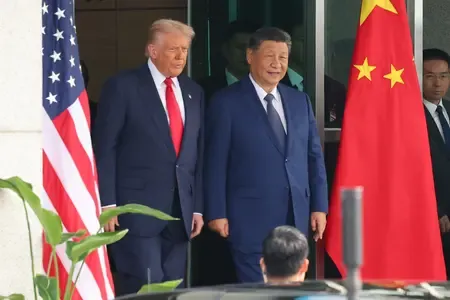
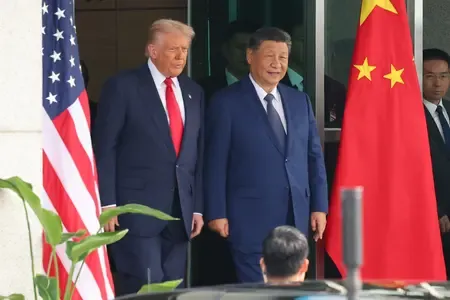
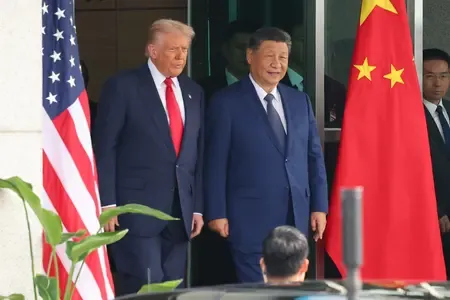
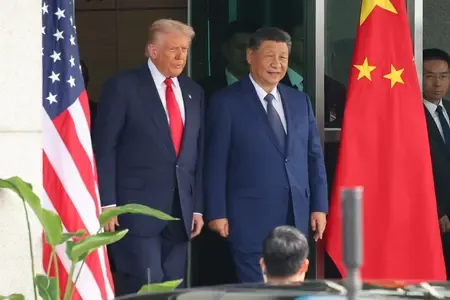
Washington, Jan 23 (NationPress) US President Donald Trump announced plans for a visit to China in April, along with intentions to welcome Chinese President Xi Jinping to the United States later this year. This indicates a revival of high-level diplomatic interactions between the two nations.
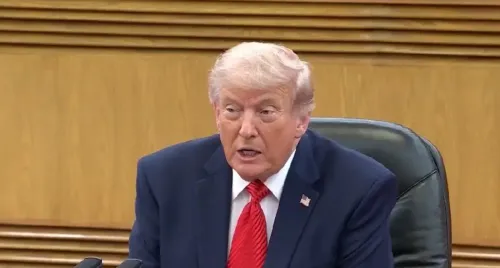
“We’re going to make a trip. I’m heading to China in April,” Trump told reporters aboard Air Force One, returning from a brief stay in Davos. He mentioned the two leaders would convene twice in 2026, with Xi's visit to the US expected “toward the end of the year.”
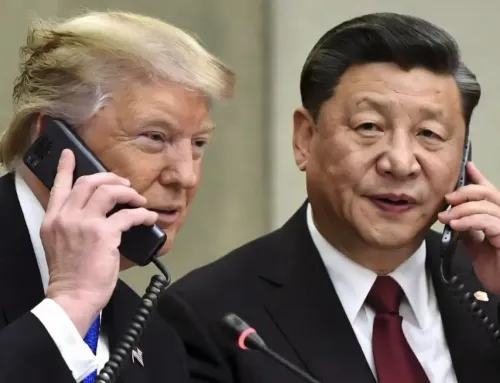
Trump characterized his rapport with Xi as positive, stating, “I’ve always had a wonderful relationship.” He acknowledged that relations had been tense during the COVID-19 pandemic, saying, “It was a very strained relationship during COVID, but now it’s an excellent relationship.”
The president highlighted trade as a sign of improving relations, noting that China has increased purchases of US agricultural products. “Look at all the farm products they’re buying now,” Trump remarked. “Soybeans — they’re buying a significant amount of soybeans.”
He indicated that these purchases are beneficial for American farmers. “That makes our farmers happy, and that makes me happy,” he added.
Trump also commended Xi personally, calling him “an amazing guy,” and spoke positively about Xi’s spouse, reflecting a focus on personal diplomacy.
His statements provide a clearer timeline for US-China engagements during Trump's second term. An April trip to China would mark his first since taking office again, while Xi's anticipated visit later in the year would be the first hosted by the US during this term.
Trump associated this diplomatic outreach with broader economic trends at home, noting positive market responses, and arguing that trade and investment flows are aiding growth. He mentioned declining fuel prices and rising optimism.
Relations between the US and China have been characterized by significant tensions in recent years. Successive US administrations have viewed China as a primary global threat, with disputes primarily focusing on trade, technology, and security. Nonetheless, both nations have maintained commercial ties, particularly in agriculture and energy.
China remains a crucial market for US agricultural exports, with soybeans being one of the most monitored commodities. Significant purchases from China are often interpreted as indicators of improved political relations.
Point of View
It is crucial to remain objective and recognize the significance of President Trump's planned visit to China and the upcoming meeting with Xi Jinping. These interactions could potentially reshape US-China relations and have lasting implications on global trade and diplomacy.
NationPress
24 Sept 2026
Frequently Asked Questions
What is the significance of Trump's visit to China?
Trump's visit to China signifies a potential revival of high-level diplomatic relations between the US and China, which have been strained in recent years.
When is Xi Jinping expected to visit the US?
Xi Jinping is expected to visit the United States towards the end of this year.
How have US-China trade relations changed recently?
Recent statements by Trump indicate an increase in China's purchase of US agricultural products, suggesting improving trade relations.