CM Dhami: 5 Lakh Women Joined 70,000+ SHGs in Uttarakhand
Synopsis
Chief Minister Pushkar Singh Dhami says over 5 lakh women in Uttarakhand have joined more than 70,000 self-help groups, framing the collective movement as a story of self-reliance. The milestone reflects the state's alignment with the National Rural Livelihoods Mission and its focus on grassroots women's economic empowerment.
Key Takeaways
The Chief Minister's Office of Uttarakhand quoted CM Pushkar Singh Dhami on 22 July 2026 on the state's self-help group outreach.
More than 5 lakh women in Uttarakhand have been mobilised into over 70,000 self-help groups , according to the CM's statement.
The initiative aligns with the National Rural Livelihoods Mission (NRLM) , a central scheme launched in 2011 to promote SHGs for poverty reduction.
Uttarakhand's hill geography makes rural women particularly dependent on SHG-linked credit and livelihood support.
Future state budgets and economic surveys are expected to provide credit linkage and income outcome data to substantiate these figures.
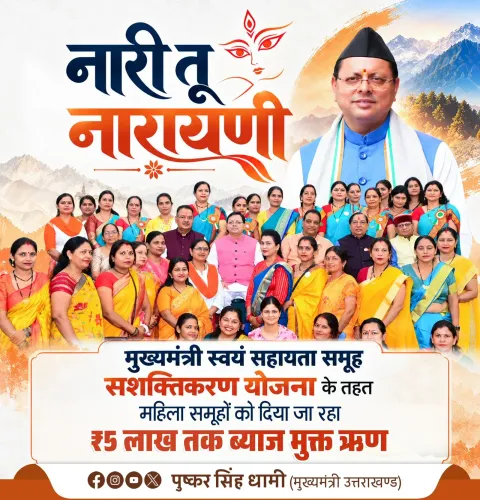
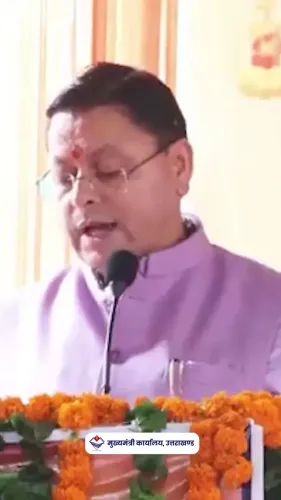
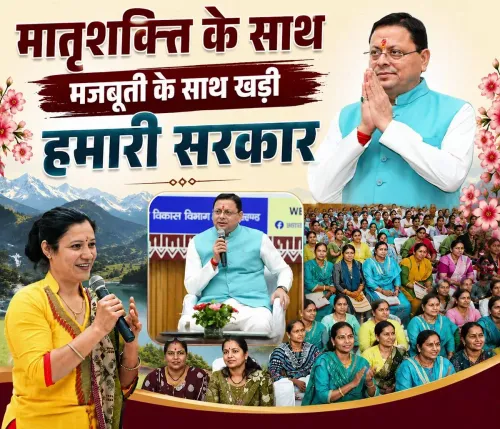
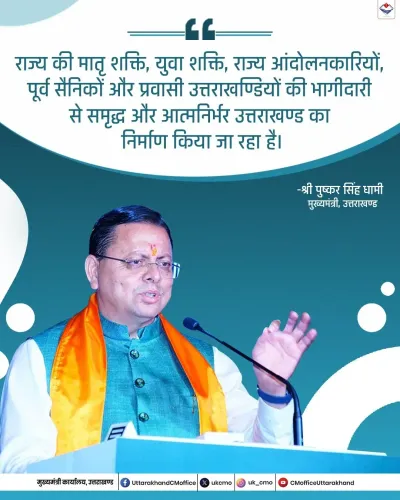
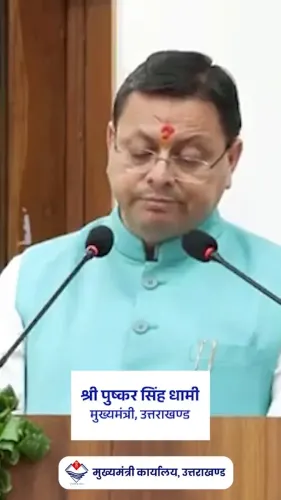
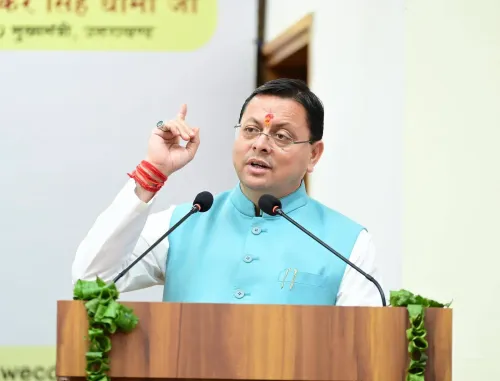
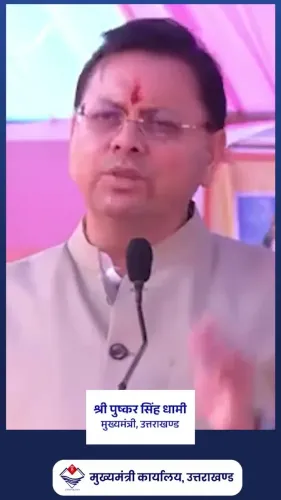
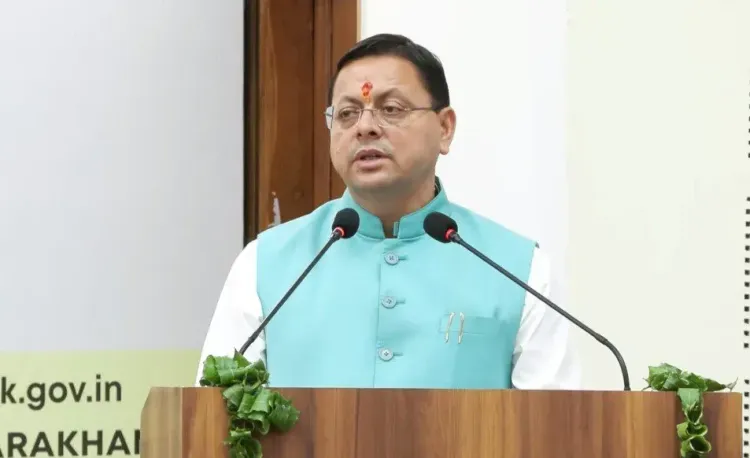
The Chief Minister's Office of Uttarakhand on Wednesday, 22 July 2026, quoted Chief Minister Pushkar Singh Dhami highlighting the growing reach of self-help groups across the state, stating that over 5 lakh women have joined more than 70,000 self-help groups and are writing a story of self-reliance.
Context
CM Dhami's statement, shared by the official Chief Minister's Office account, reads in Hindi: 'Aaj pradesh ki 5 lakh se adhik mahilaen 70 hazaar se adhik swayam sahayata samudhon se judkar aatmanirbharta ki kahani likh rahi hain' — meaning, 'Today, more than 5 lakh women of the state, by joining more than 70,000 self-help groups, are writing a story of self-reliance.' The statement underscores Uttarakhand's push to position women-led collectives as a pillar of grassroots economic development.
Self-help groups, or SHGs, are member-based savings and credit collectives that have served as a foundational instrument of women's economic empowerment in India since the 1990s. Their scale and reach in any given state are often cited as a proxy indicator of rural financial inclusion.
Policy Backdrop
The expansion of SHGs in Uttarakhand aligns with the National Rural Livelihoods Mission (NRLM), a central government scheme launched in 2011 to promote self-help groups for poverty reduction and women's economic participation across states. Under NRLM, states are supported to mobilise rural women into collectives, link them to formal credit, and connect them with markets and livelihood opportunities.
Uttarakhand, a Himalayan state formed in 2000, has a significant rural female workforce engaged in agriculture and micro-enterprises. The state has aligned its own programmes with the NRLM model to address financial exclusion in its hill districts, where geography often limits women's access to formal banking and employment.
CM Dhami, who has been in office since 2021, has repeatedly invoked rural livelihoods and women's collectives as priorities of his administration. The SHG model mirrors similar programmes in other Indian states focused on grassroots entrepreneurship and credit linkage.
Stakeholders and Impact
The primary beneficiaries of this expansion are rural women across Uttarakhand, particularly those in remote hill districts where income opportunities are limited and dependence on subsistence agriculture remains high. SHG membership typically provides women with access to micro-credit, collective savings, and training in income-generating activities such as handicrafts, food processing, and animal husbandry.
At a broader level, the growth of SHGs contributes to household income diversification, reduces financial vulnerability, and strengthens women's decision-making within families and communities. The state government's communication of these figures signals both a policy achievement and a political messaging priority ahead of future budget and governance reviews.
What's Next
Analysts and policy observers will look to upcoming Uttarakhand state budgets and economic surveys for granular data on credit linkage, loan disbursement, and income outcomes for SHG members — metrics that would substantiate the scale cited by the Chief Minister. The NRLM's own progress reporting framework requires states to submit periodic data on group formation, grading, and financial inclusion indicators.
The trajectory of Uttarakhand's SHG programme will likely remain a focal point as the state government continues to frame women's self-reliance as a cornerstone of its development narrative, with potential implications for how rural welfare schemes are prioritised in future policy cycles.
Point of View
If validated by forthcoming state economic data, would represent meaningful progress in a state where hill geography has historically constrained women's access to formal financial systems. The communication also reflects a pattern across Indian states of using SHG expansion as a visible, voter-resonant welfare metric ahead of governance reviews. How the state translates group formation numbers into credit disbursement and income outcomes will be the real test of the programme's depth.
NationPress
21 Oct 2026
Frequently Asked Questions
How many women have joined self-help groups in Uttarakhand?
According to a statement by CM Pushkar Singh Dhami shared on 22 July 2026, more than 5 lakh women in Uttarakhand have joined over 70,000 self-help groups.
What is the National Rural Livelihoods Mission and how does it relate to Uttarakhand?
The National Rural Livelihoods Mission is a central government scheme launched in 2011 to promote self-help groups for rural women. Uttarakhand has aligned its state programmes with NRLM to support financial inclusion and livelihoods in its hill districts.
What do self-help groups do for women in Uttarakhand?
Self-help groups provide rural women with access to collective savings, micro-credit, and training in income-generating activities such as handicrafts, food processing, and animal husbandry, helping reduce financial vulnerability.
Who is Pushkar Singh Dhami?
Pushkar Singh Dhami is the Chief Minister of Uttarakhand, in office since 2021, and has made rural livelihoods and women's empowerment key priorities of his administration.
What is 'aatmanirbharta' in the context of Uttarakhand women's schemes?
'Aatmanirbharta' means self-reliance in Hindi. In the context of Uttarakhand's SHG programme, it refers to the goal of enabling rural women to achieve economic independence through collective savings, credit access, and micro-enterprise.